4 Genius Kids Organization Hacks Every Parent Needs in 2025
Why Organizing Kids’ Stuff Really Matters?
A messy room is more than just an eyesore. It makes everyday life harder for everyone.
When toys and clothes are everywhere, kids feel overwhelmed. They don’t know where to start cleaning.
Parents waste time searching for lost shoes and repeating the same instructions. An organized space teaches kids responsibility.
It saves precious time and makes mornings and bedtimes easier. Kids can focus better in a tidy room.
They are also more likely to help clean up if the system is simple and made just for them.

Genius Kids Organization Hacks
Here are four practical hacks that really work in busy family homes.
These ideas save your sanity and help kids learn to manage their own things.
1. Toy Hacks That Keep Playrooms Calm
Too many toys out at once can overwhelm a child. A great trick is to rotate the toys.
Keep only a small number of toys on the shelf. Put the rest away in a closet.
Every week or two, swap the toys. This makes old toys feel new again.
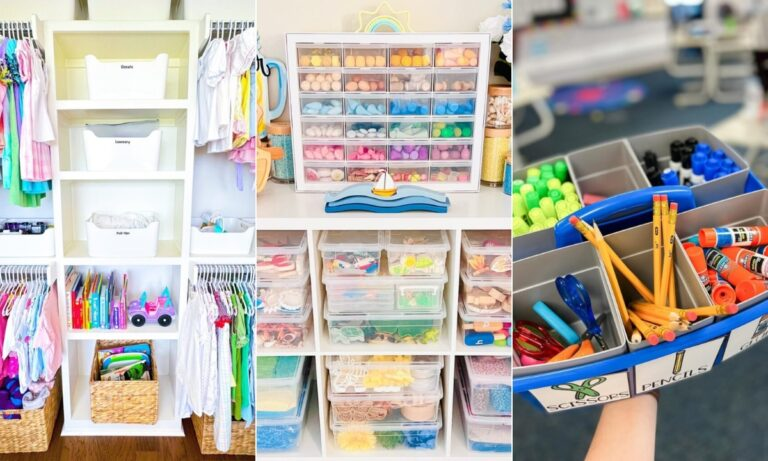
Use clear bins or open baskets so kids can see what is inside. Avoid one big toy box where things get lost.
Sort toys by type. Put all the cars in one bin and all the stuffed animals in another.
Put a picture label on the front of each container. When kids see less clutter, they play better and clean up easier.

2. Closet Solutions That Kids Can Manage Themselves
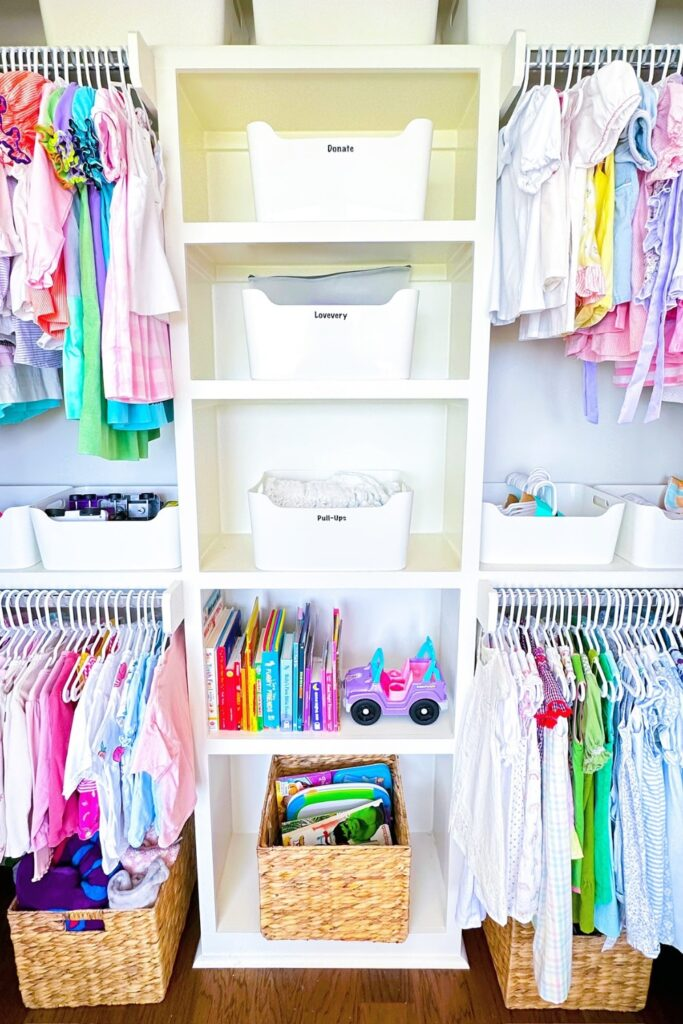
Mornings get easier when kids can choose their own clothes. Set up the closet so they can reach everything.
Install a low clothing rod or use lots of hooks they can use. Divide clothes into clear groups.
Have a section for school clothes, play clothes, and pajamas. Use picture labels on dresser drawers.
A weekly clothes organizer can also help. You put outfits for each day in a separate slot.
Keep a small basket in the closet for clothes that are too small. This makes it easy to remove them later.
A closet made for your child’s height teaches them to be independent.
3. Backpacks, Shoes, and the Entryway Chaos Fix
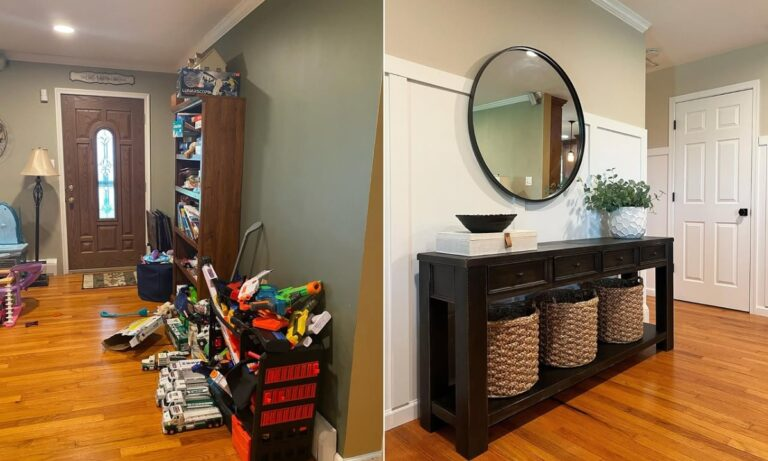
The entryway often becomes a messy pile of stuff. Create one simple drop zone by the door you use most.
Put hooks on the wall at your child’s height. They can hang their backpack and jacket here themselves.
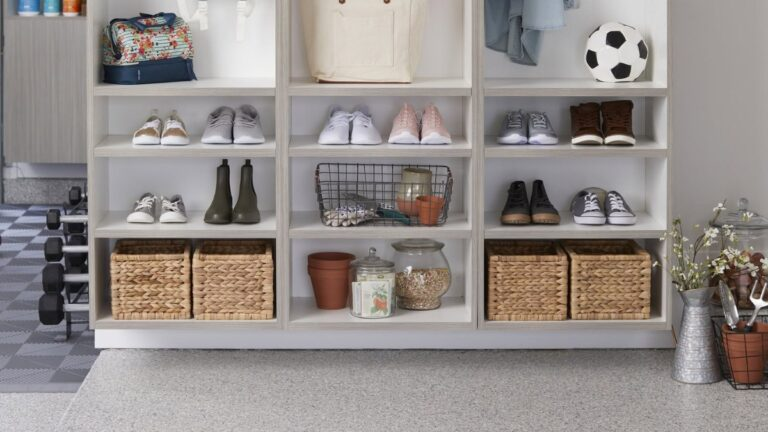
Place a small bench with baskets underneath for shoes. This keeps them from scattering.
Use a labeled bin or tray for lunchboxes and school papers. Teach your kids a new habit.
As soon as they come home, they should unpack their bag and put things in the right spot.
Having one home for everything saves you from the stressful morning search.

4. Easy Homework and School Supply Stations
Homework time is smoother when supplies have a home. Create a small, dedicated station.
A rolling cart with drawers is perfect. Your child can roll it to the table and put it away after.
Label the drawers for pencils, paper, and art supplies. If space is tight, use a wall pegboard.
Hang cups from it to hold scissors and markers. You can also use a simple caddy on the kitchen table.
Only keep the supplies they use every day in the station. Use a clipboard or folder for papers that need a parent’s signature.
When everything has a place, starting homework is faster and less frustrating.

How Can You Build Daily and Weekly Routines That Stick?
For organization to work, it must become a normal habit. Start with a short, daily cleanup time.
Ten minutes before bed is a good choice. Kids know it is coming and can expect it.
Make it fun by setting a timer and racing to beat it, or play a favorite song.
Once a week, do a bigger reset together. Put away stray toys, clear out the backpack, and check for clothes that don’t fit.
A simple checklist with pictures helps kids remember the steps without you telling them.
Being consistent is the most important part. Doing a little bit often is better than a big clean once in a while.
When organization is just part of the day, kids will start doing it on their own.
How Can You Teach Kids to Take Charge of Their Space?
Kids do better when they feel like the system is theirs. Let them help you make decisions.
Give them small jobs they can do alone, like putting toys in the right bin.
Let them choose the color of a storage basket or help arrange books on a shelf.
When kids feel ownership, they take more pride in keeping things tidy. Start with easy daily tasks.
As they get older, give them more responsibility. You can use a sticker chart for young children to track their cleanup.
Turn putting away laundry into a sorting game. The goal is to help them become independent, not to have a perfect room.
Learning to care for their space is a skill they will use forever.