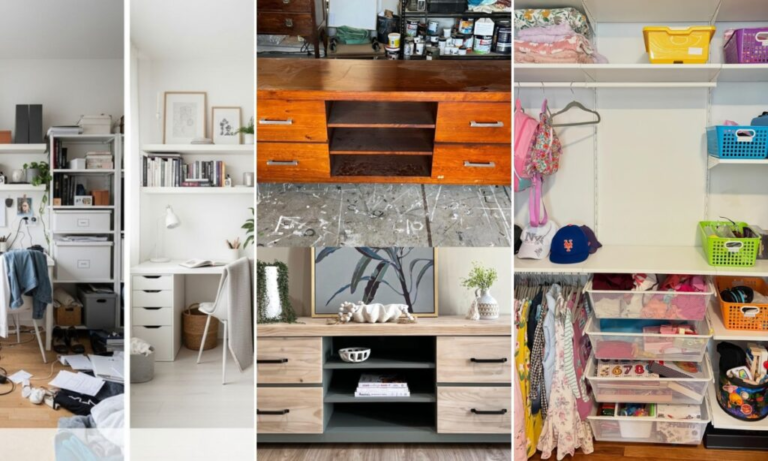
8 Easy Bathroom Undersink Changes That Make a Huge Difference
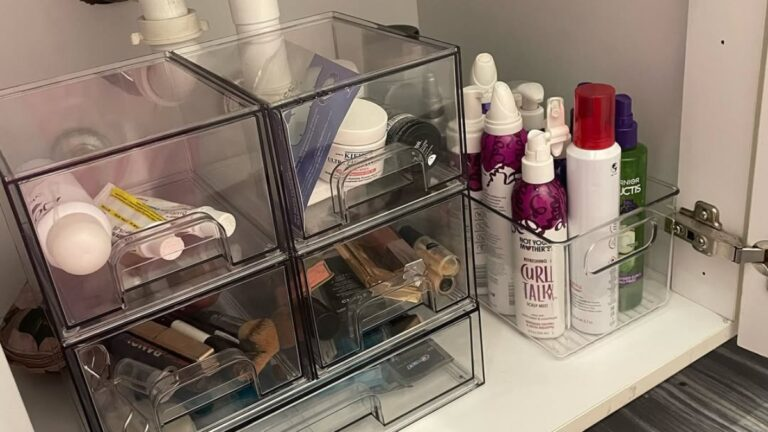
Do bottles tumble out every time you open the cabinet? You are not alone. The space under the sink is awkward, with pipes in the way. It becomes a spot where everything gets thrown in and lost. But a few smart changes can fix that. You can turn the mess into a tidy, useful space that makes your routine easier.
Why Under-Sink Cabinets Always Turn into Chaos
This space is not designed for easy storage. The plumbing gets in the way. The cabinet is deep but not tall. There is no system to keep things in place. People just throw in cleaners, extra shampoo, and other items. Over time, it becomes a cluttered mess. You cannot see what you own. Things fall and get lost. Without a plan, the disorder keeps growing.

How to Organize Bathroom Under Sink?
To organize under your sink, start by taking everything out. Then, measure the space and create zones for your items. Use bins, drawers, and other organizers that fit well. Finally, use the door and walls for extra storage and keep up with a quick monthly check.
Here are the steps you can follow.
Step 1: Clear Everything Out the Smart Way
Start by taking every single item out from under the sink. Lay it all out so you can see what you have. You will likely find empty bottles or old products. Sort everything into three piles: keep, toss, and relocate. Be honest. If you have not used something in months, you probably do not need it. This step creates the space you need for a real system.

Step 2: Measure and Understand Your Cabinet Type
Before buying any organizers, measure your cabinet. Use a tape measure. Check the width, depth, and height. Pay close attention to where the pipes are. This tells you where bins can fit. Also, know what type of cabinet you have. A single sink has a tight space with a center pipe. A double sink has two sections. This knowledge helps you choose the right organizers the first time.
Step 3: Create Zones Based on How You Use Things
Do not just put everything back randomly. Group items by how you use them. Put daily items like toothpaste or face wash at the front where they are easy to reach. Keep cleaning supplies together in one area. Store extra rolls of toilet paper or refill bottles toward the back. When each type of item has its own zone, everything stays in place and is simple to find.
Step 4: Use the Right Bins, Drawers, and Risers
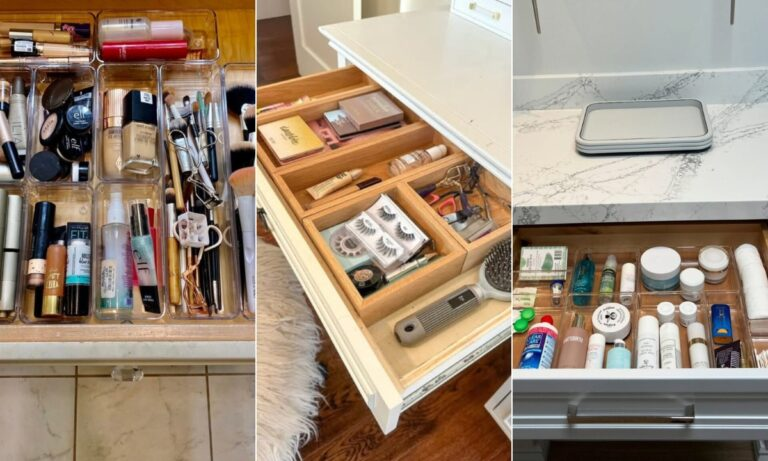
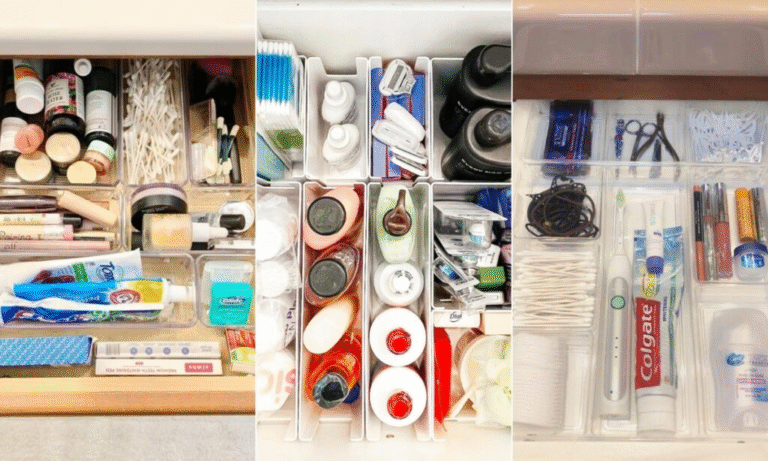
Choose organizers that fit your space and budget. Do not use random containers. Look for ones made to fit around pipes. Use clear bins so you can see what is inside. Stackable drawers help use vertical space. Risers can create a second shelf. You can find affordable options at discount stores or invest in custom pull-out drawers. The right tools keep your zones neat.

Step 5: Use Door Space, Rods, and Wall Surfaces
Do not forget the inside of the cabinet door. Stick a small bin or caddy there to hold cotton balls or floss. You can add a tension rod under the sink to hang spray bottles by their triggers. Use Command hooks on the side walls to hang hair tools or cleaning brushes. This uses every bit of space and keeps the floor of the cabinet clear for your bins.
Step 6: Make It Pretty with a Matching Aesthetic
Choose bins and baskets in one or two colors. Matching containers make the space look calm and tidy. Label every bin. Use a label maker or sticky tags. This way, everyone knows where things belong. Keep only what you use often easy to see. Store the rest behind closed lids. A simple, coordinated look is easier to maintain.
Step 7: Protect Against Moisture and Mess
Place a waterproof liner on the bottom of the cabinet. This protects the shelf from spills. Use plastic bins with lids, especially for items that could be damaged by water. Consider adding a small moisture absorber pouch to prevent dampness. Make sure no items are sitting directly on the floor where water might pool.
Step 8: Do a 5-Minute Monthly Reset
Set a quick reminder to check under the sink once a month. Take five minutes to look through everything. Toss any empty bottles or expired products. Wipe down the bins and the liner. Make sure items are still in their correct zones. This tiny habit stops the clutter from ever building back up.
Conclusion
Fixing the space under your bathroom sink is a small project with a big payoff. When this cabinet is orderly, your whole morning routine feels smoother. You save time and avoid frustration. It stops being a chaotic junk drawer and becomes a useful part of your bathroom. Start with one step, and you will see the difference it makes every day.