20 Solar System Projects for Kids in 2026
Helping kids with a solar system project can feel confusing at first. There are many planets, many questions, and it is easy to feel stuck. These project ideas are shared in a simple way so children can understand and enjoy learning.
Each project uses clear layouts and easy materials. Parents, teachers, and students can pick ideas that match their space and time. The goal is to make learning about space fun, visual, and stress free.
These projects help kids see how the solar system works as a whole. Instead of memorizing facts, they learn by building, touching, and explaining.
What is the Solar System for Kids?
The solar system is like a big space family with the Sun at the center. All the planets move around the Sun in their own paths, and this keeps everything in balance.
Planets such as Earth, Mars, and Jupiter travel around the Sun just like cars moving in a circle. Along with planets, there are moons, comets, asteroids, and small space rocks.
For kids, it helps to think of the Sun as the leader. Its pull keeps the planets close so they do not drift away.
Each planet is different in size, speed, and distance. Earth is special because it is not too hot or too cold, which allows life to exist.
When kids understand this idea, the solar system feels organized and alive instead of confusing.
Interactive Foam Ball Solar System
This project is hands-on and easy to understand. Foam balls are painted to represent the Sun and planets.
The Sun is placed in the center, with planets arranged around it. Sticks help show the direction of movement.
Soft lights around the base make the orbits clear and add visual interest.
Realistic Planet Lineup Display
This display shows the planets in order from the Sun. Size differences help kids see which planets are big or small.
Foam balls or printed images work well. Each planet is placed in a straight line.
A gentle light behind the display helps each planet stand out clearly.
Hanging Solar System Mobile
This mobile brings the solar system into the air. Planets hang at different lengths to show distance.
It works well in classroom corners or reading areas. Kids enjoy watching it move slightly.
Soft lights near the top give the planets a gentle glow.
Glowing Orbit Model
This model is ideal for science fairs or displays. The Sun lights up at the center.
Planets are supported with sticks and placed in clear orbits. The glow makes movement easier to understand.
The lighting helps the model feel active and exciting.
Solar System Wall Chart
This flat model gives a quick view of all planets. Paper, markers, and labels are used.
Stars in the background make it fun and space themed. Everything is easy to see at once.
Lights around the border help labels stay clear even in dim rooms.
Stand-Up Solar System Display
This upright display fits well on desks or shelves. Printed planets are attached neatly.
Labels help kids identify each planet quickly. The setup stays clean and organized.
Small lights at the base add a finished look.
Orbit Path Project Board
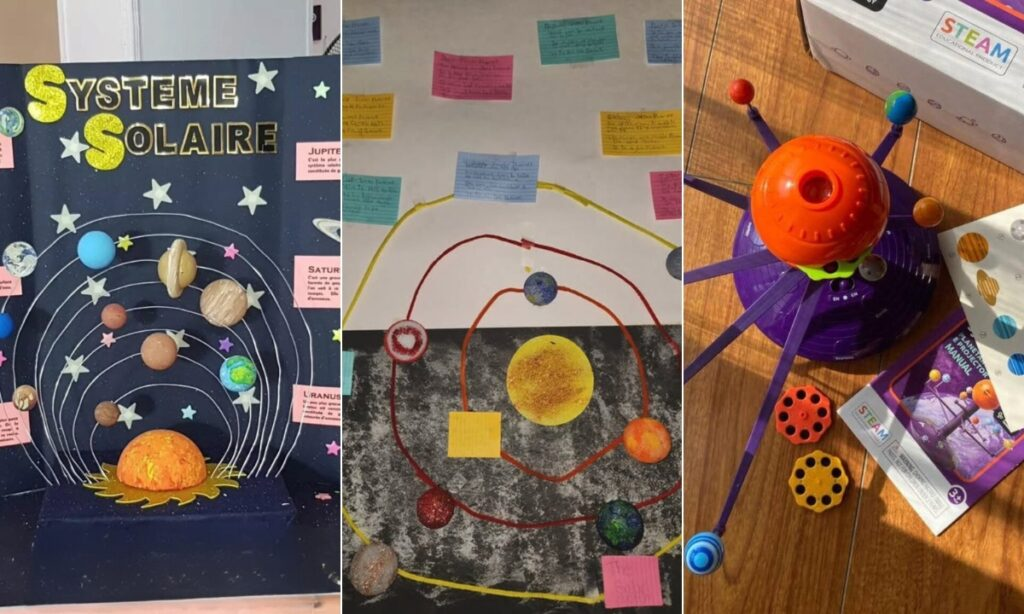
This board focuses on how planets move. Yarn or pipe cleaners show orbit paths.
Foam balls act as planets, and notes share facts. The layout is clear and educational.
A soft light at the center highlights the Sun and paths.
Hanging Planet Garland
This garland uses painted paper planets. They are strung in order from the Sun.
It is lightweight and easy to hang. Kids can help arrange the order.
Mini lights along the string add a glowing effect.
3D Foldable Solar System Board
This project keeps everything in one display. Planets and orbits fold neatly for storage.
Labels are bright and easy to read. The setup works well for presentations.
Lights around the border draw attention right away.
Presentation Board Solar System
This board uses a clear layout for explaining planets. Everything spreads out from the Sun.
A dark background helps planets stand out. The design is easy to point and explain.
Warm lighting around the Sun makes it the main focus.
Classroom Orbit Activity Table
This table model lets kids walk around and explore. Planets are placed in clear orbits.
Chalk or markings show movement paths. Kids learn by observing positions.
Soft lights keep attention focused on the center.
Planet Layers Learning Station
This station shows what planets look like inside. Foam balls are cut to show layers.
A hanging chart supports the lesson. Kids compare models and visuals.
Spot lighting helps details stand out clearly.
Focused Planet Display Board
This display highlights one planet, such as Saturn. Facts and images surround it.
A large model sits in the center. Smaller planets help show context.
Lights behind the main planet guide attention.
Planet Art Card Series
Each card focuses on one planet. Paint and textures create interest.
Cards can be lined up or hung on a wall. Kids enjoy making each one unique.
Soft lights give a starry space feeling.
Handheld Solar System Model
This model is easy to carry and explain. Foam balls are attached to a base.
Kids can walk and talk through the planets. It works well for fairs.
A light inside the Sun adds energy.
Interactive STEM Solar System Kit
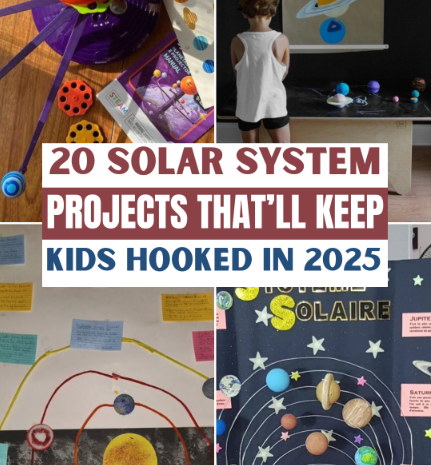
This kit allows planets to spin and move. Kids learn through motion.
It works well on tables for group learning. The design feels active.
A built-in light makes the Sun stand out.
Solar System Galaxy Poster
This poster gives a full view of space. Orbits and planets are easy to follow.
It works well on classroom walls. A large size helps visibility.
Lights behind the poster create a glowing galaxy effect.
Student Presentation Models
These models are built for group work. Labels and bases keep things clear.
Kids practice explaining together. The layout builds confidence.
A small Sun light helps the model stand out.
Solar System Projector Display
This display needs no building. It projects planets around the room.
Lights are dimmed to create a space feel. Kids stay engaged.
The glow makes learning feel immersive.
Outdoor Solar System Circle Time
This setup is used outside. Kids sit in a circle while the teacher explains.
Foam balls and boards are used. The open space helps movement.
Portable lights make it visible even outdoors.
FAQs
How to start a solar project?
Choose a simple idea that fits the child’s age. Foam ball models and wall charts work well.
Gather all supplies first and plan the layout. Keep planet order in mind.
Soft lights can make the project look more complete.
Why is the solar system important?
The solar system helps explain how Earth fits in space. It teaches about movement, seasons, and orbits.
Learning this builds curiosity and interest in science. Kids see why Earth’s position matters.
It helps them understand why life exists here.