22 Junk Room Organization Ideas for 2026
How do I organize a small junk room without feeling overwhelmed?
Organizing a small junk room feels easier when you don’t try to do everything at once. Start with one corner or small area to make progress without stress.
Take out anything that belongs elsewhere immediately. This helps you focus on what actually stays in the room and keeps your mind calm.
Group similar items together. Once you see what you have, simple shelves and labeled bins are enough to maintain order and prevent the room from becoming a dumping zone again.
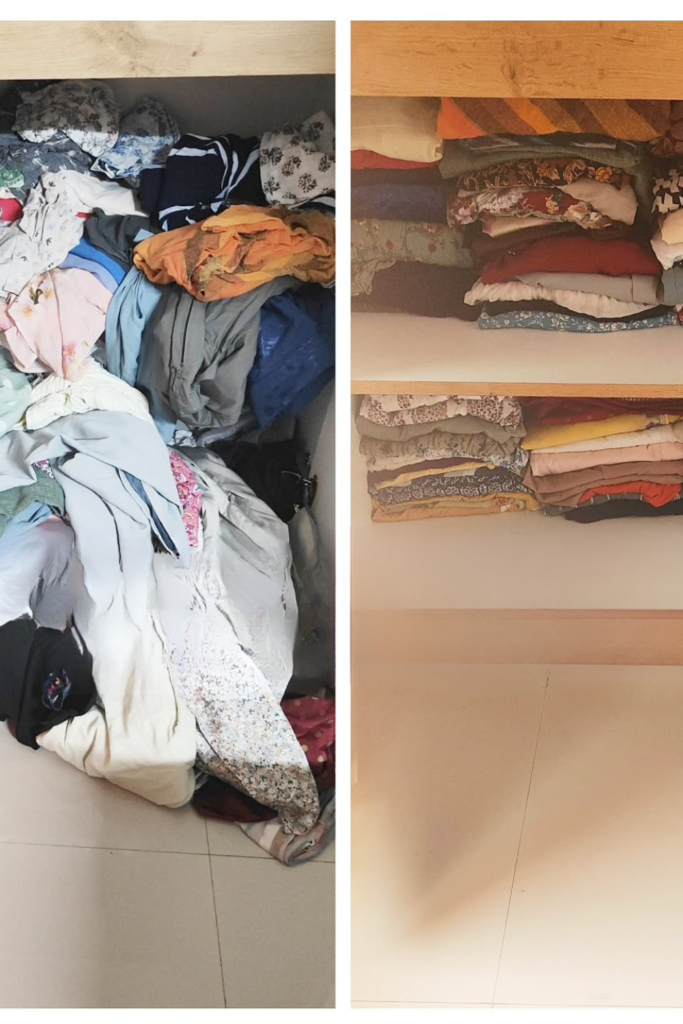
Folded Shelf Reset
Overflowing clothes can make a junk room chaotic. Empty one shelf at a time and refold items neatly so every piece is visible.
Limit stack height to prevent piles from falling. Neat stacks make it easier to find what you need quickly.
Bright overhead lighting helps you see clearly and keeps clothes from creeping back into messy heaps.
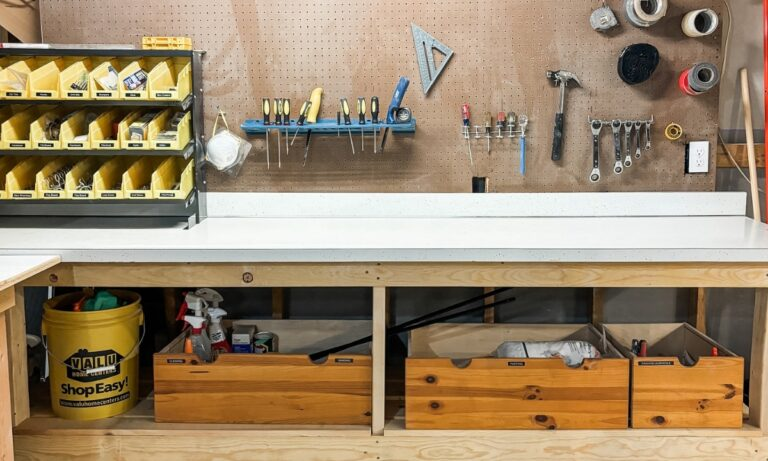
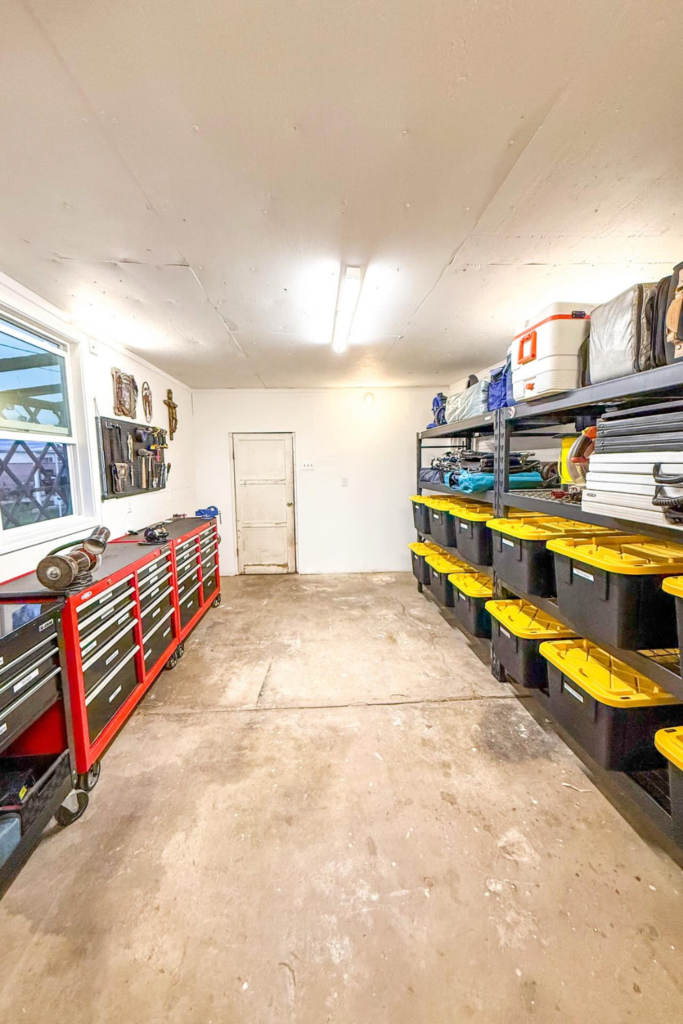
Garage-Style Layout
For wide rooms, line shelves along the walls and leave the center open. This keeps the space functional and easy to move in.
Use heavy-duty shelving and matching bins for a clean, uniform look. Items stack neatly without cluttering the floor.
Ceiling lights spread brightness evenly, making it simple to navigate and work in the room.
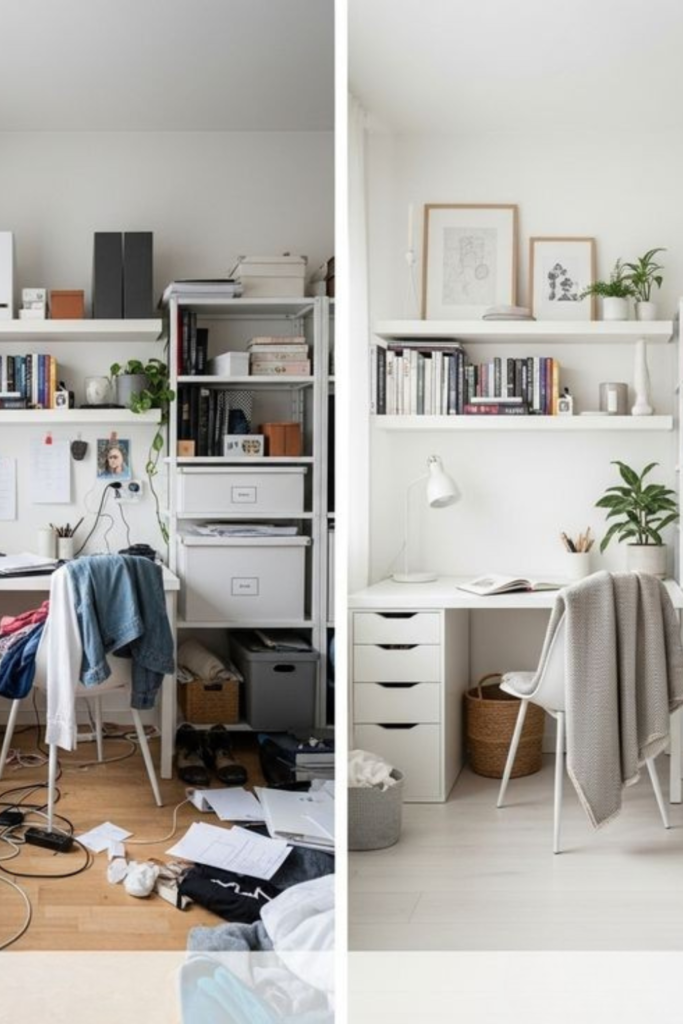
Purpose-Driven Reset
Give your junk room a clear purpose to stop it from feeling chaotic. Use drawers for supplies and open shelves for daily items.
Push storage vertically and keep only items needed for the room’s purpose within reach.
Proper lighting, including desk lamps or task lights, helps create an intentional and usable space.
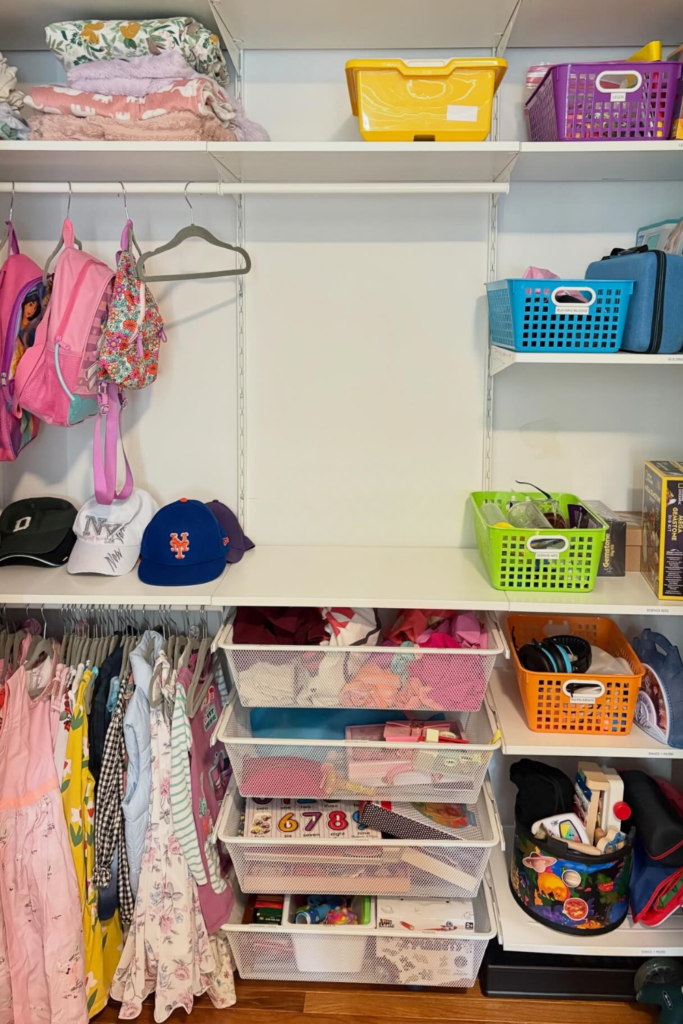
Closet Zone Split
Shared rooms work better when closets are divided by function. Assign rails, shelves, and bins for different types of items.
Hanging space is ideal for clothes, shelves for folded items, and bins for toys or extras.
Bright overhead lighting keeps everything visible while open shelving prevents dark corners from forming.
Vertical Supply Stack
Stack items based on usage to make them easy to reach. Rarely used items go higher, daily essentials stay at eye level.
This method keeps the room organized and makes refills or replacements simple and fast.
Good lighting ensures that every shelf is easy to scan without moving too many bins.
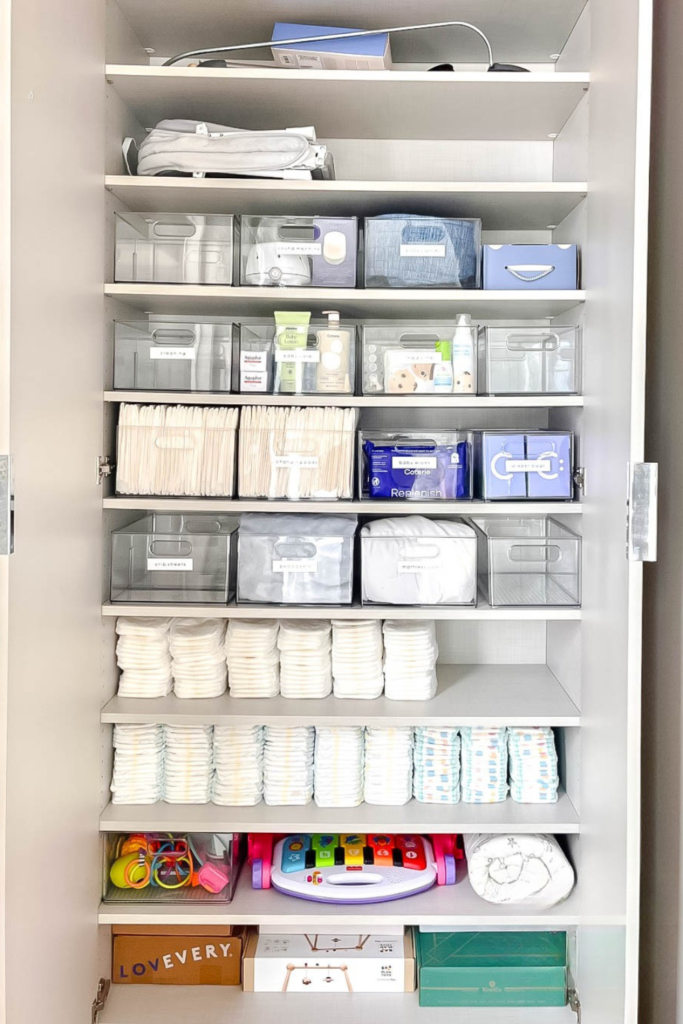
Closet Drop Zone
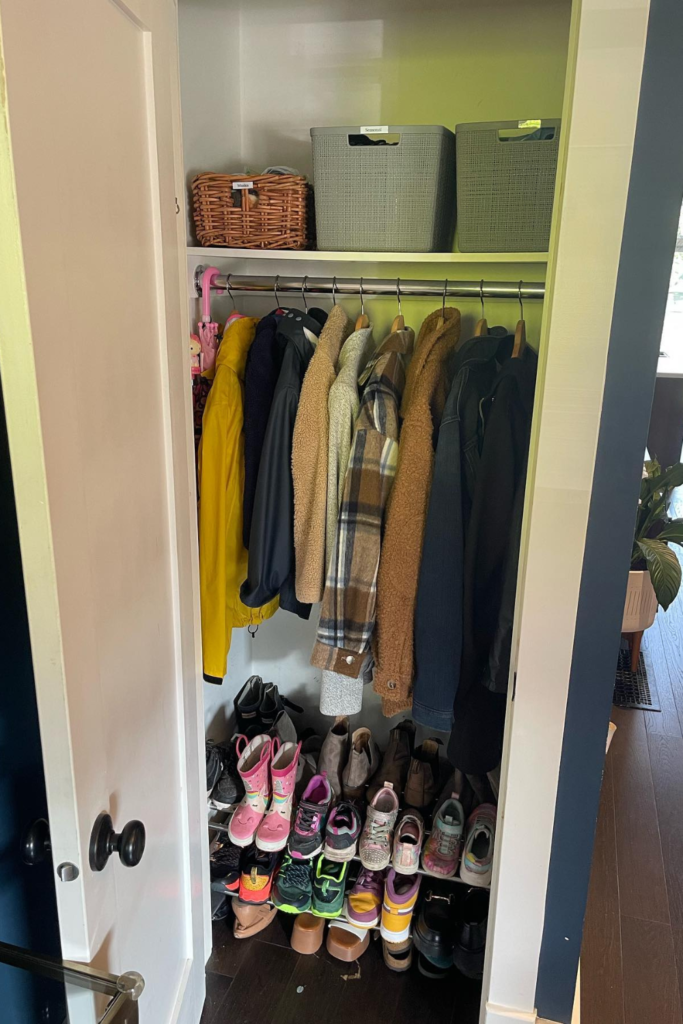
Create a landing spot for coats and shoes near the entry. Use hangers for outerwear and baskets for smaller items.
Top shelves hold overflow bins, while shoes stay neatly on the floor in rows.
Open doors and natural light prevent the area from feeling cramped and boxed in.
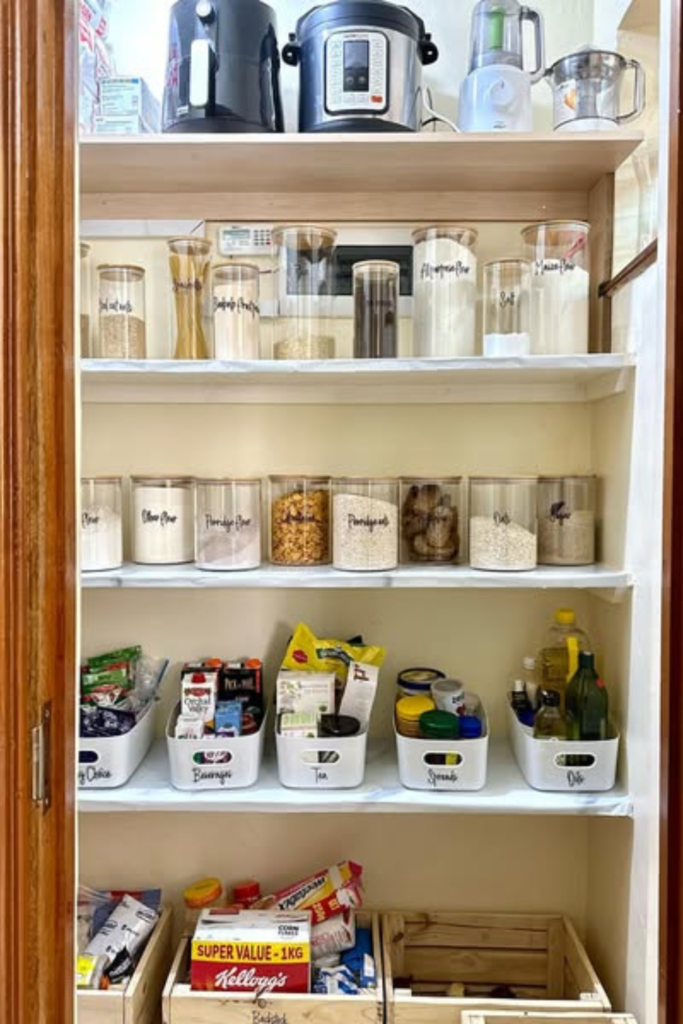
Pantry Logic Storage
Organize overflow items like pantry goods by grouping them according to use. Snacks, backups, and rarely used items get separate shelves.
Clear bins make it easy to see everything and prevent clutter from building up.
Bright kitchen lighting and reflective surfaces keep shelves feeling open and easy to use.
Repurposed Furniture Storage
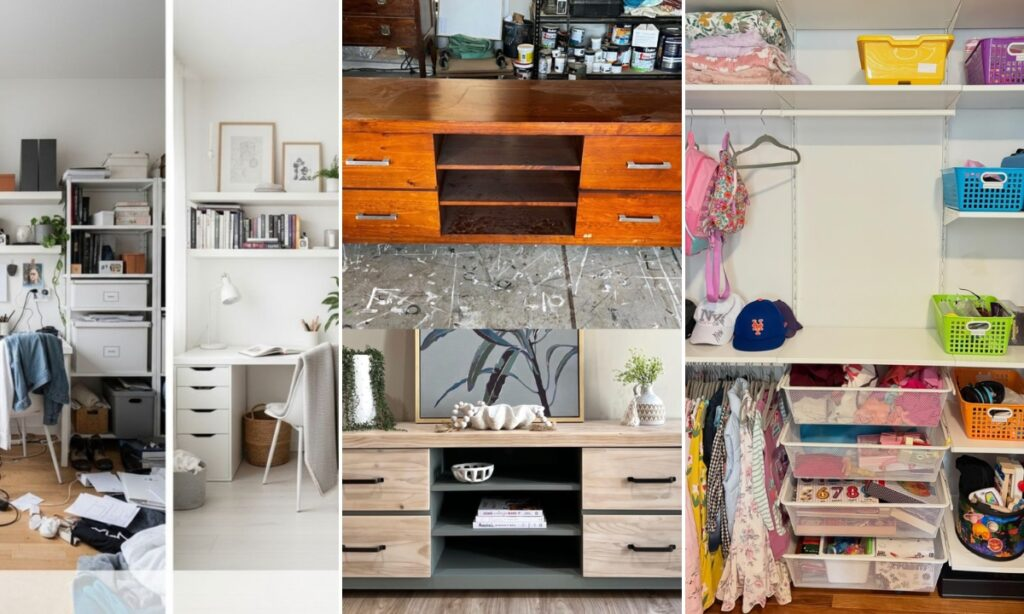
Old furniture can become storage when each piece has a clear job. Drawers hold hidden supplies while open shelves keep frequently used items accessible.
This approach keeps the room functional and stylish without adding bulky storage.
Overhead lighting and open shelving ensure visibility while maintaining a clean look.
Basement Aisle System
Long rooms work well when shelves create clear walking lanes. Bins should be lined by category for easy access.
Keep the center aisle open to move freely and avoid stacking chaos.
Bright ceiling lights and open shelves make every item easy to see and the space easy to navigate.
Walk-In Storage Lanes
Narrow rooms feel bigger when storage is mounted along both sides. Heavy items go low, light bins go high.
Nothing should stick into the walkway, keeping it safe and easy to move.
Bright recessed lights and reflective shelving maintain a clean, open feeling.
Pull-Out Shelf System
Deep cabinets become functional with sliding shelves. Pull-out drawers bring items to you without moving everything.
Group categories per shelf and keep heavy items low for stability.
Overhead lighting ensures labels and contents are easy to see instantly.
Mixed Material Balance
Combine clear bins with woven baskets to make the room organized and visually pleasing. Clear containers show daily items, baskets hide extras.
Soft textures reduce visual clutter and create a warm, welcoming feel.
Natural daylight and overhead lighting keep shelves readable and easy to scan.
Countertop Clear Stack
Use jars and containers to organize kitchen overflow or small items. Items are easy to spot and less likely to overaccumulate.
Group by use and keep levels consistent to stop overbuying.
Warm lighting and clear containers enhance visibility and maintain a neat appearance.
Closet Cubby System
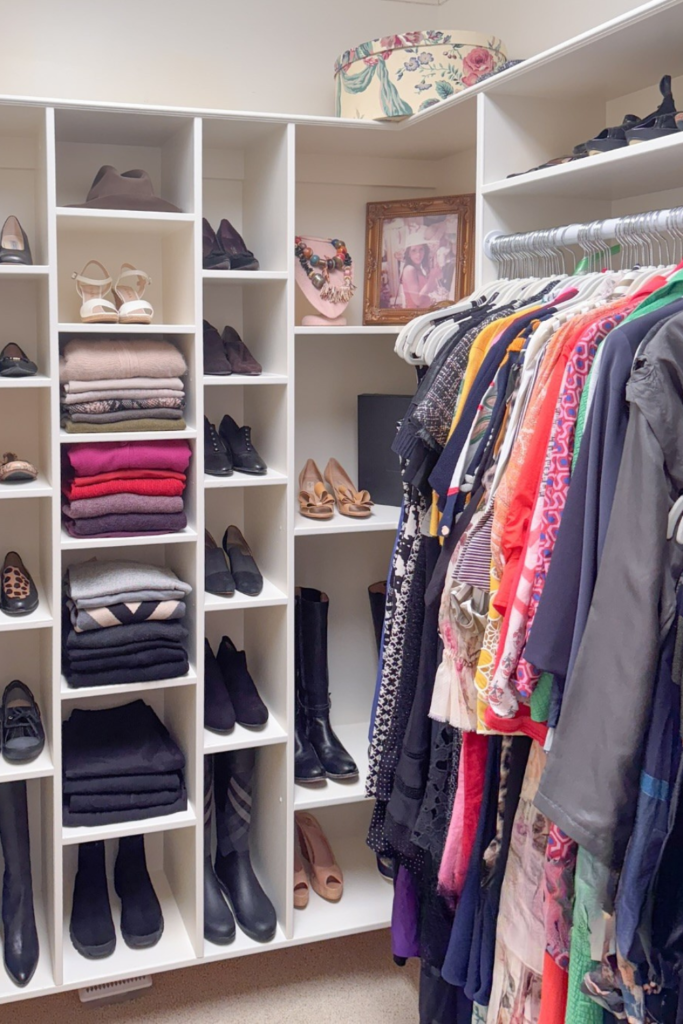
Build vertical cubbies for accessories and small items to prevent clutter. Adjustable shelves work best for items you actually own.
Every item gets a slot, so nothing gets lost or piled up.
Ceiling lighting and white shelving help keep the closet open and bright.
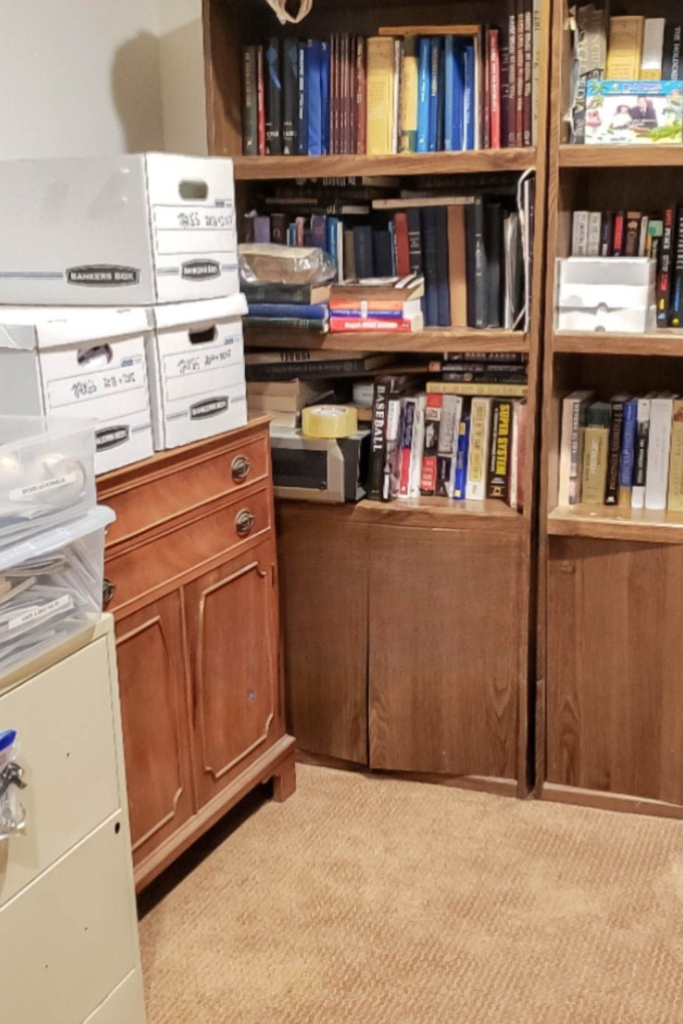
Bookcase Zone Reset
Separate books, files, and boxes on different shelves to avoid chaos. Labeled boxes help store loose papers neatly.
Open shelves can display books, while other items stay organized and easy to find.
Overhead lighting ensures the room is well-lit and items are visible.
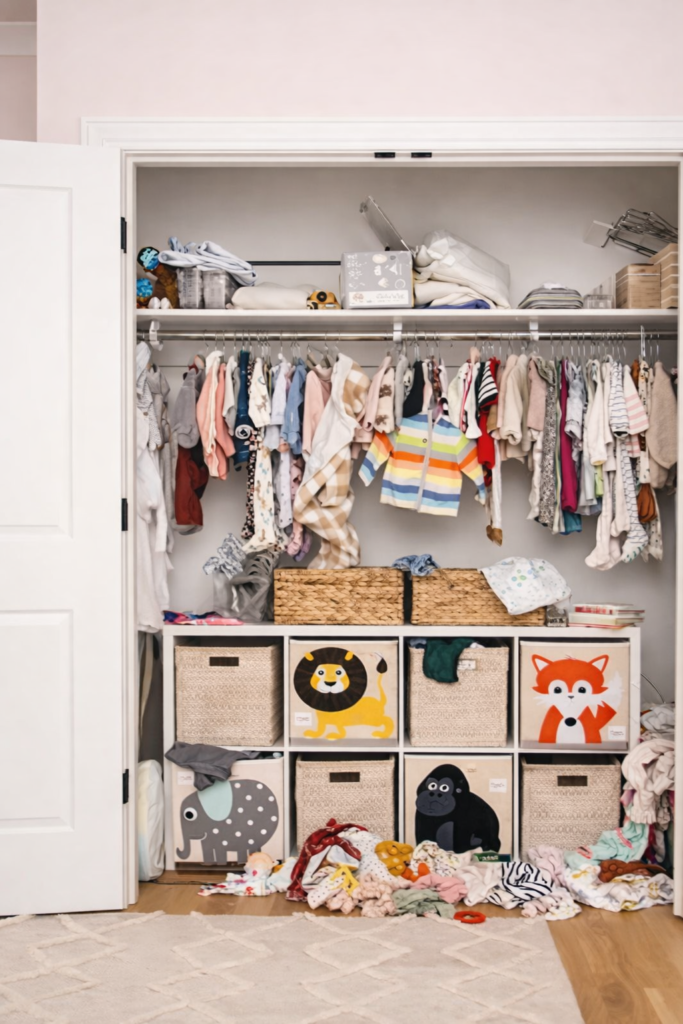
Kid-Friendly Cubbies
Low cubbies and accessible storage make it easier for kids to keep things tidy. Combine hanging rods and cubes for overflow.
Items are easy to reach, making cleanup faster without adult help.
Bright lights and light walls prevent the space from feeling cramped.
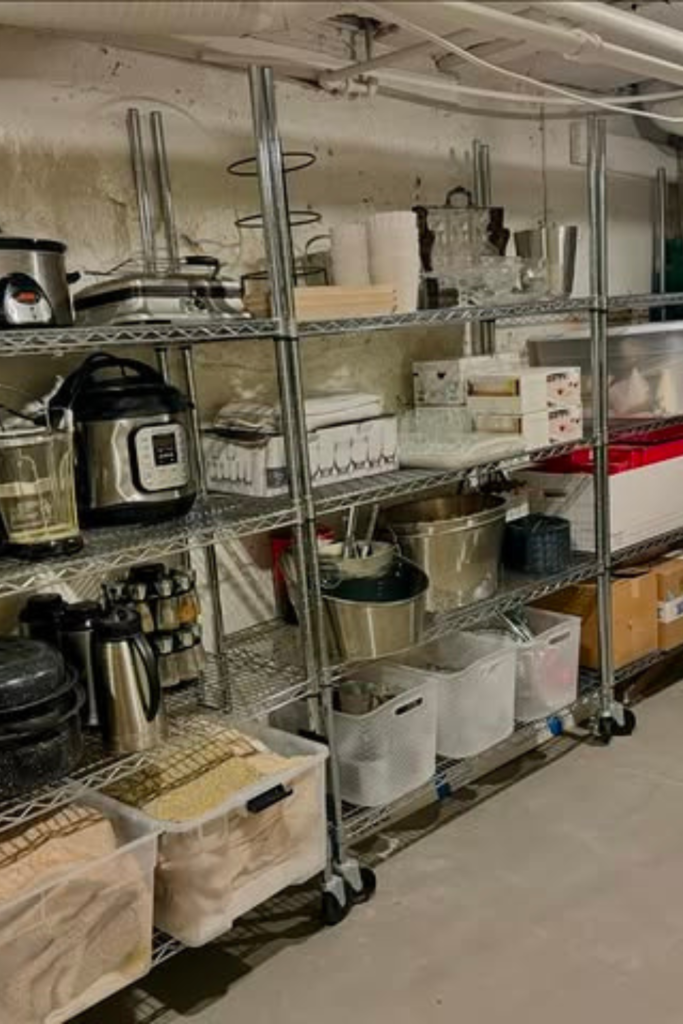
Rolling Rack Storage
Rolling racks help store heavy or bulky items in basements or large rooms. Wire racks improve accessibility.
Use commercial-grade racks and clear containers to prevent blind stacking.
Open shelving allows light to pass through, keeping spaces visible and safe.
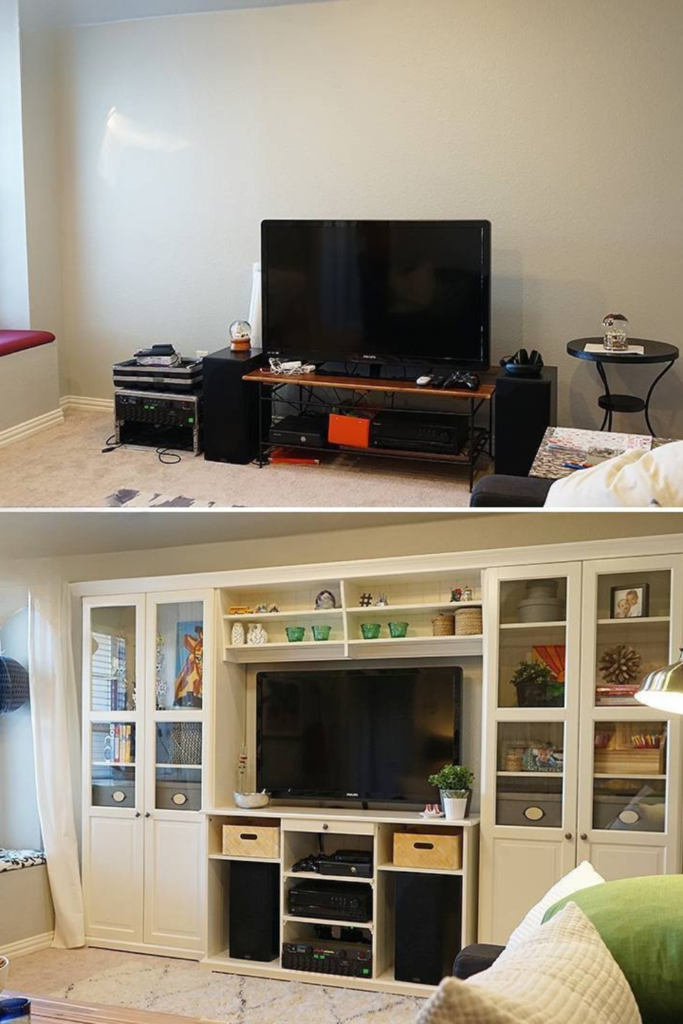
Built-In Storage Wall
A built-in wall unit hides clutter behind doors while leaving open shelves for everyday items.
Tall cabinets, baskets, and closed compartments keep everything organized and intentional.
Bright lighting and glass-front doors reflect light and make the room feel complete.
Room Purpose Flip
Claim a junk room for a specific purpose. Remove unnecessary items and keep only what supports the new function.
Storage can be hidden or moved out to create a more functional space.
Soft lighting and natural light make the room feel calm and lived-in, not chaotic.
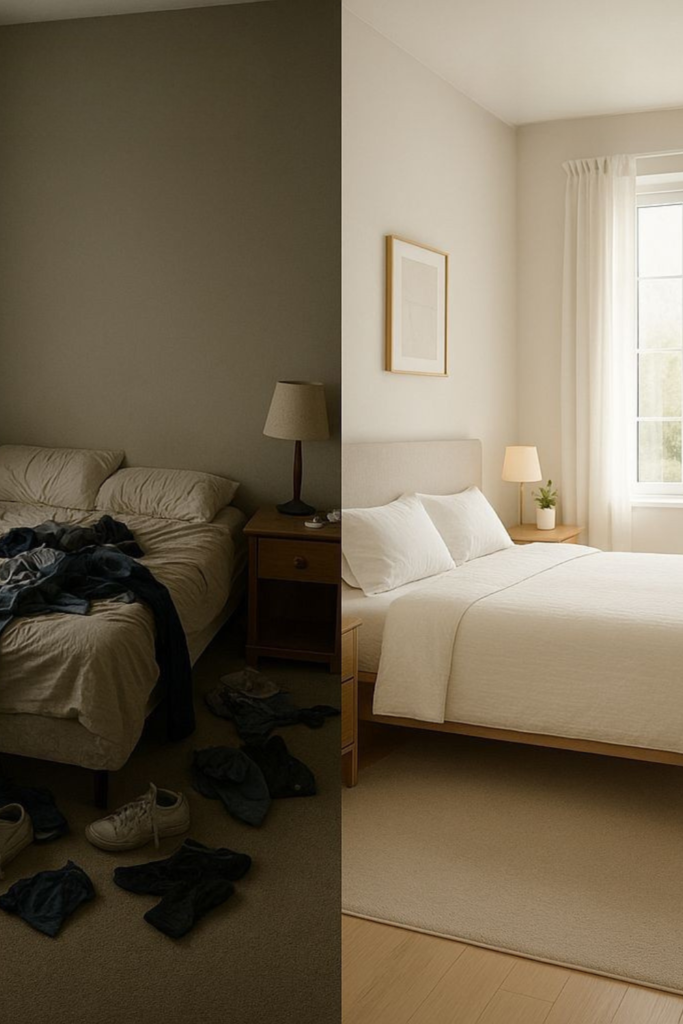
Clear Floor Win
Keep the floor empty to transform the room quickly. Move items to walls, shelves, or vertical stacks.
Clear floors make the space breathable and organized.
Overhead lighting highlights open space, while natural light shows progress.
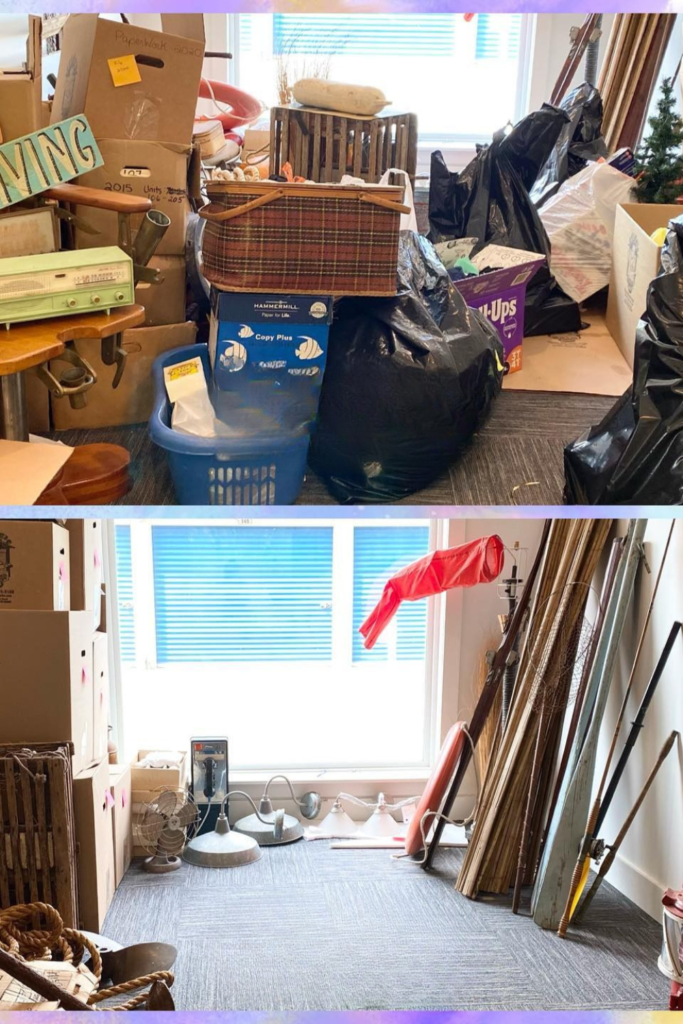
Zone-Based Reset
Divide the room into zones for living, storage, or work. Clear floors first, then anchor each zone with main pieces of furniture.
Items stay in their designated zones to prevent clutter from drifting back.
Even lighting and task lights maintain functionality across the room.
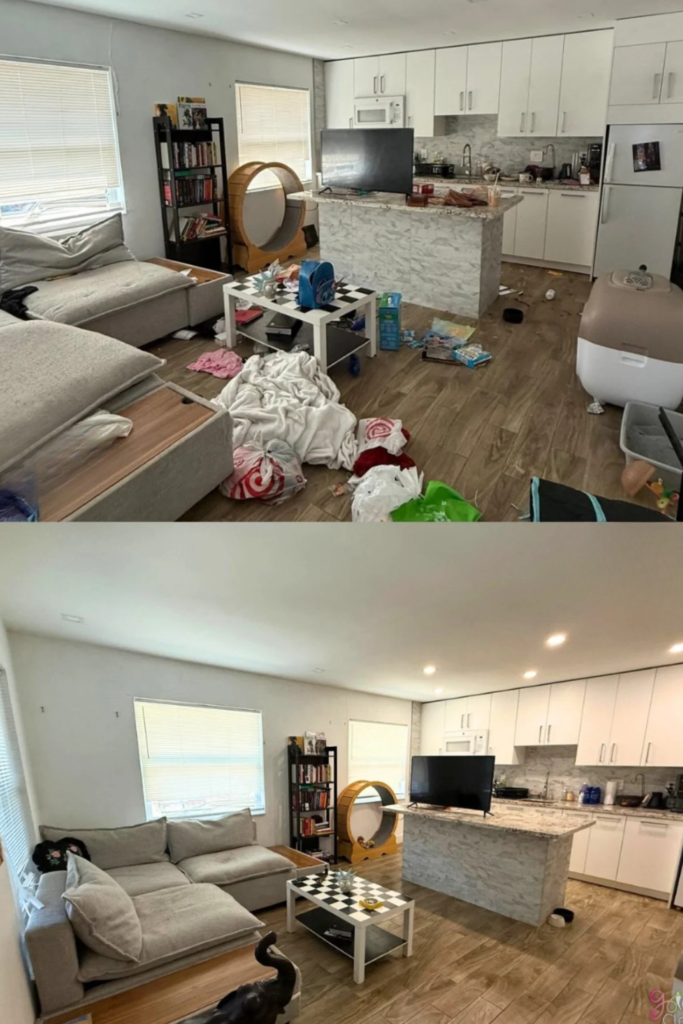
Cubby Grid System
Uniform cube grids prevent built-in nooks from becoming clutter magnets. Measure openings and fit equal-size containers.
This system makes overflow obvious and keeps items in check.
Soft overhead lighting and reflective surfaces make the space feel finished and bright.
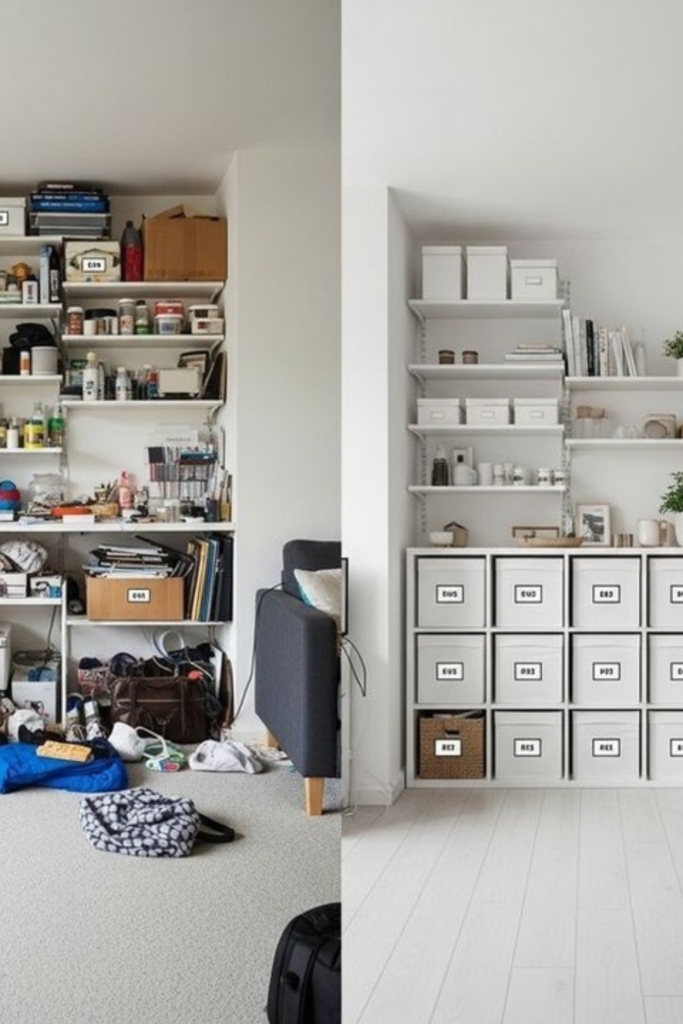
FAQs
How long does it take to organize a junk room?
The time depends on your approach. Focus on one zone at a time, and most people finish in 2–4 sessions.
How do I stop the junk room from getting messy again?
Assign homes for all items and set size limits. Quick weekly resets prevent small messes from becoming chaos.
Great work.