26 Dining Room Storage Ideas for 2026
How Do I Organize a Dining Room with Limited Space?
When a dining room feels crowded, the problem is usually not the amount of items you own. Most of the time, it happens because there is no clear place for things to go. The table becomes a drop spot, chairs get moved around, and the room starts to feel stressful instead of useful.
A small dining room works best when the space is made to do more with less. Once you decide what truly belongs in the dining area, everything becomes easier to manage. Items that are rarely used should not take up the most visible space.
Using walls, corners, and hidden storage helps the room feel calmer right away. The goal is not perfection but smart placement. When storage matches how you use the room daily, the dining space stays organized without constant effort.
Built-In Wall Storage
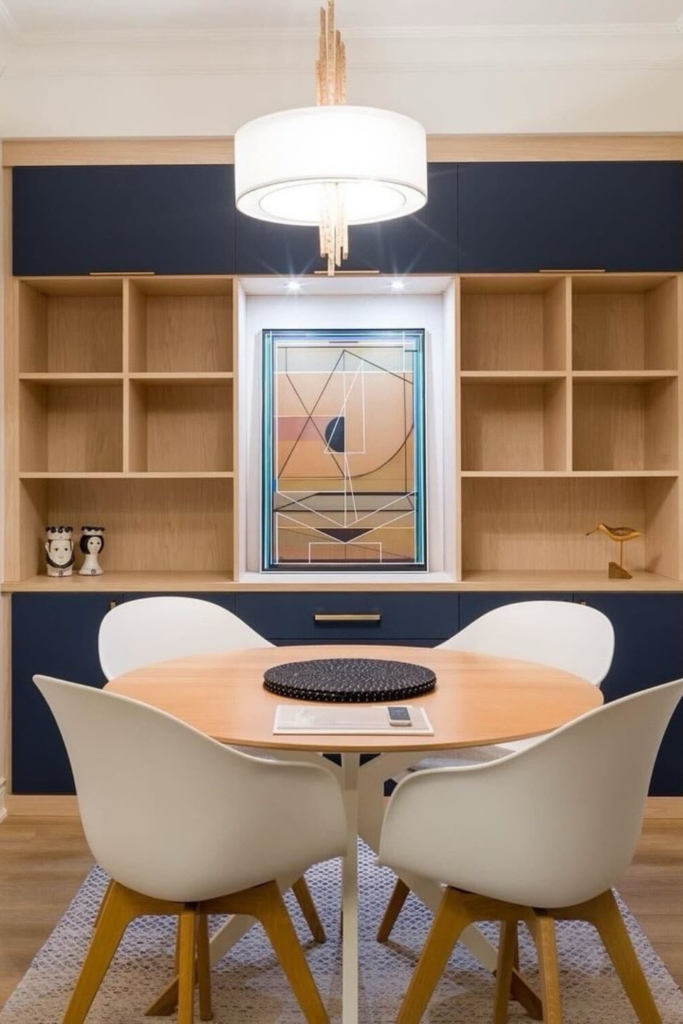
Wall storage keeps the floor open and makes narrow dining rooms feel less crowded. Built-in shelving works well because it blends into the room instead of standing out. This keeps the space feeling intentional and balanced.
Closed cabinets below can hide clutter, while open shelves above allow for simple display. Keeping the layout even on both sides helps the wall feel calm. Artwork in the center gives the storage a clear visual purpose.
Glass Cabinet Storage
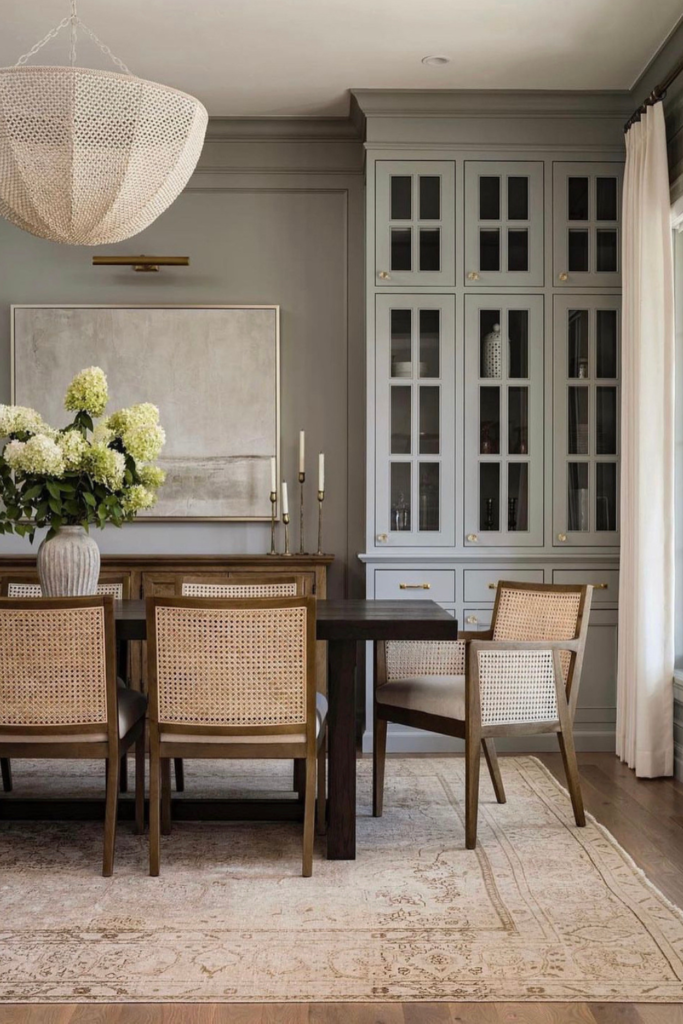
Glass-front cabinets allow dinnerware to stay visible without looking messy. They work well on empty dining room walls where height matters more than depth. This keeps the room feeling open and organized.
Using shallow upper cabinets for glassware and deeper lower cabinets for linens keeps storage practical. Soft lighting inside the cabinets highlights items nicely. Overall room lighting keeps the space warm and welcoming.
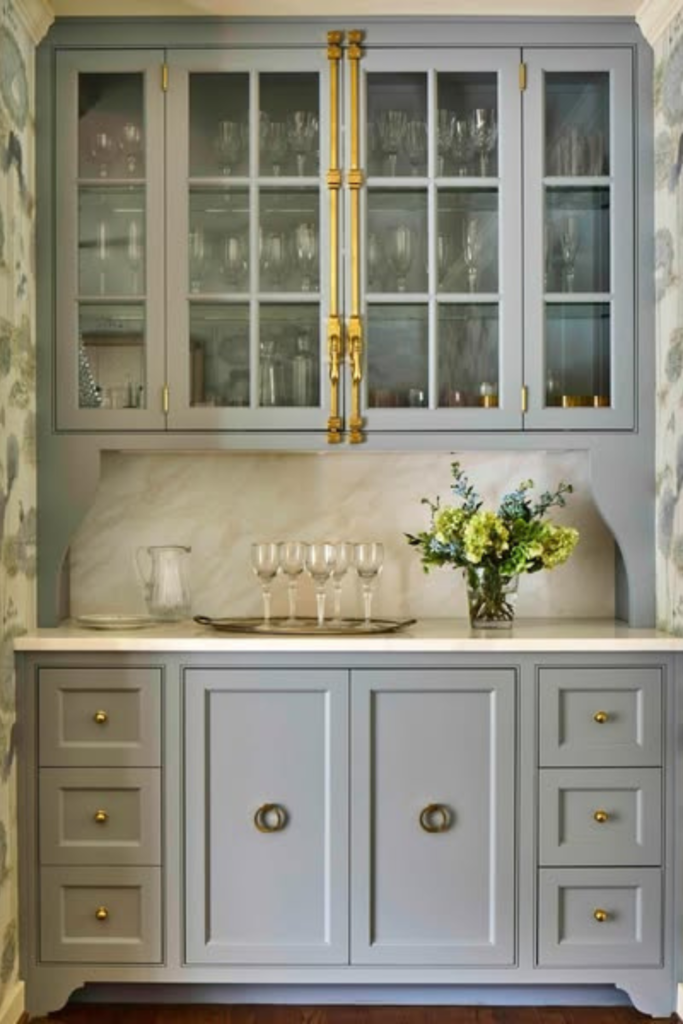
Full-Wall Storage
Full-wall storage makes a strong statement when done with balance. It works best in longer dining rooms where one wall can anchor the space. The storage feels planned instead of overwhelming.
Closed cabinets on the bottom hide everyday clutter, while glass or open shelves above keep things light. Lighting over the table draws attention away from the wall. Natural light helps prevent the storage from feeling heavy.
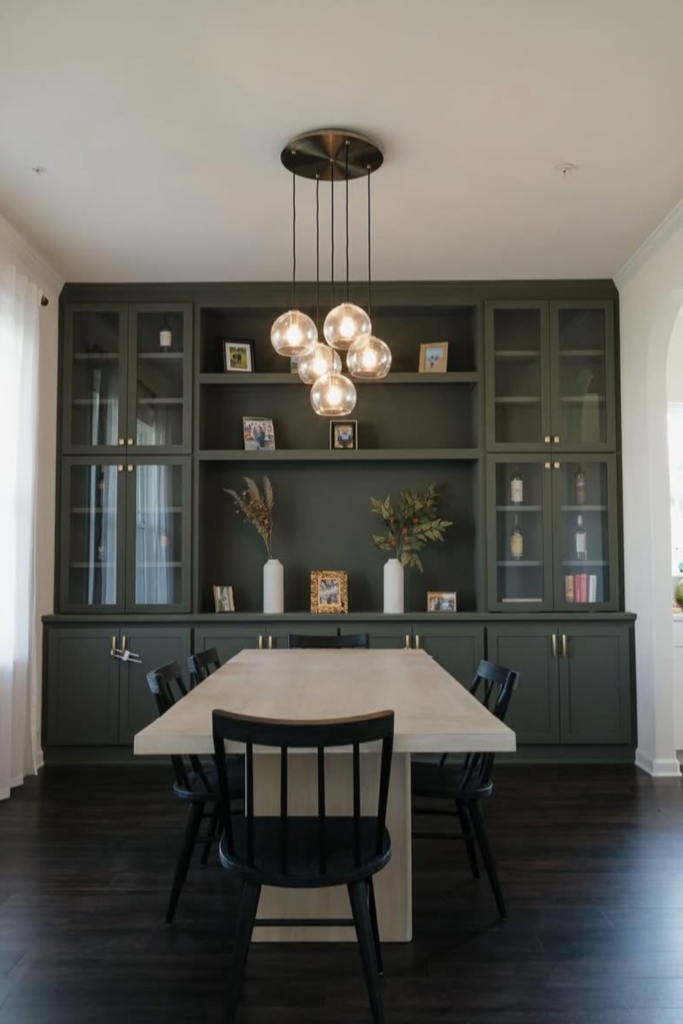
Display-First Storage
When dishes are shown on purpose, storage feels more thoughtful. This style works well in dining rooms used often for hosting. It turns everyday items into part of the room’s design.
Glass-front cabinets and a simple color scheme keep shelves calm. Avoid overfilling the space so items can breathe. Focused lighting over the table and soft room light keep reflections clean and pleasant.
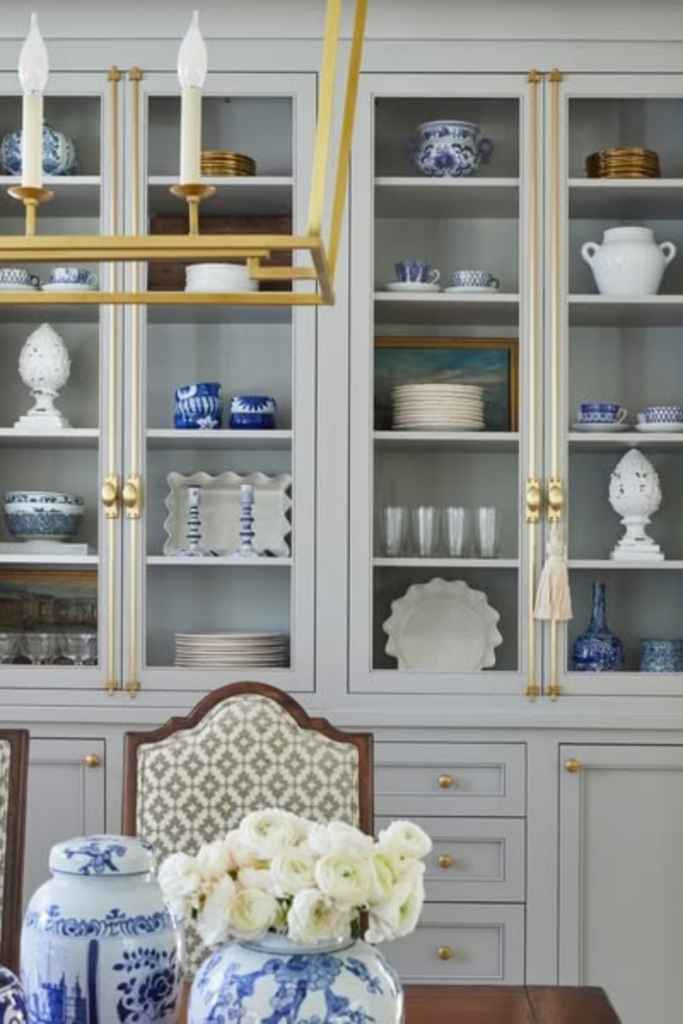
Entertaining Storage Wall
A dining room feels more functional when storage supports hosting. A storage wall that works like a serving station makes gatherings easier. This layout works well in open dining areas.
Closed cabinets below store larger items, while open shelves above keep everyday pieces within reach. A dedicated space for drinks adds convenience. Balanced lighting defines the dining area without making it feel busy.
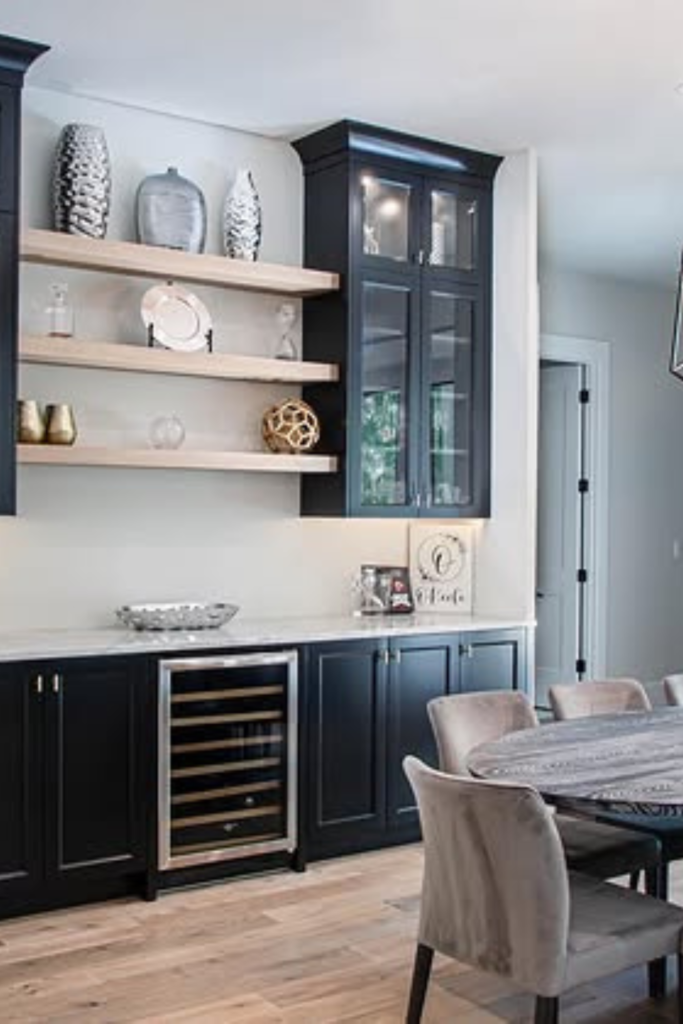
Sideboard Cabinet Setup
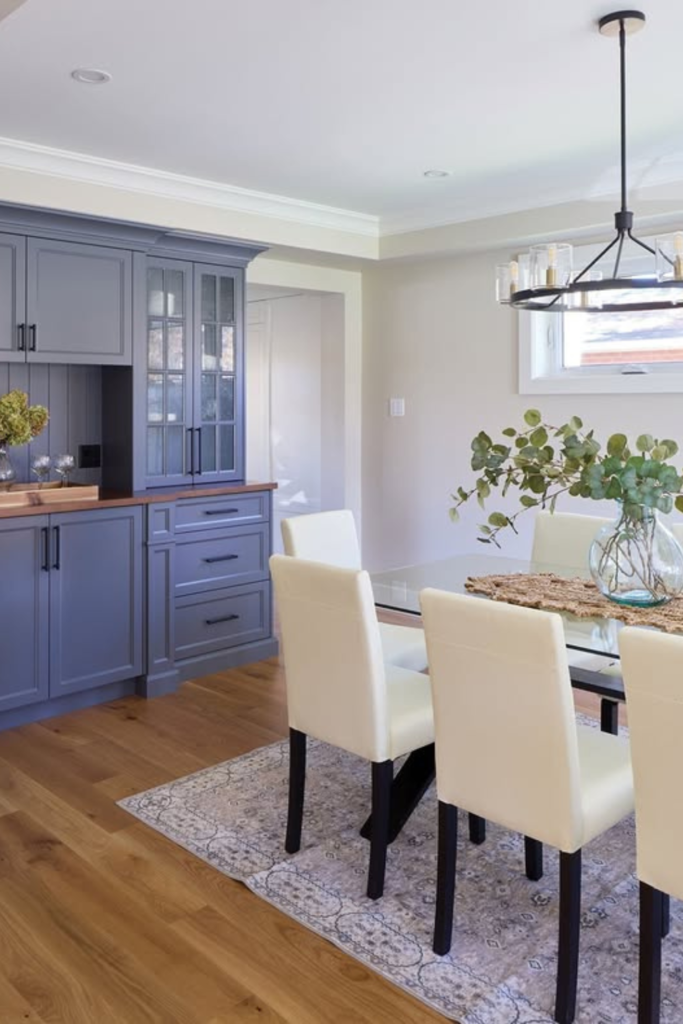
Keeping storage close but out of the way makes meals feel smoother. A built-in sideboard fits well between dining and nearby spaces. It provides storage without crowding the room.
Tall cabinets on one side handle larger items, while drawers below hold linens and tools. General ceiling lighting keeps the room bright. A statement light over the table adds warmth and focus.
Slim China Cabinet
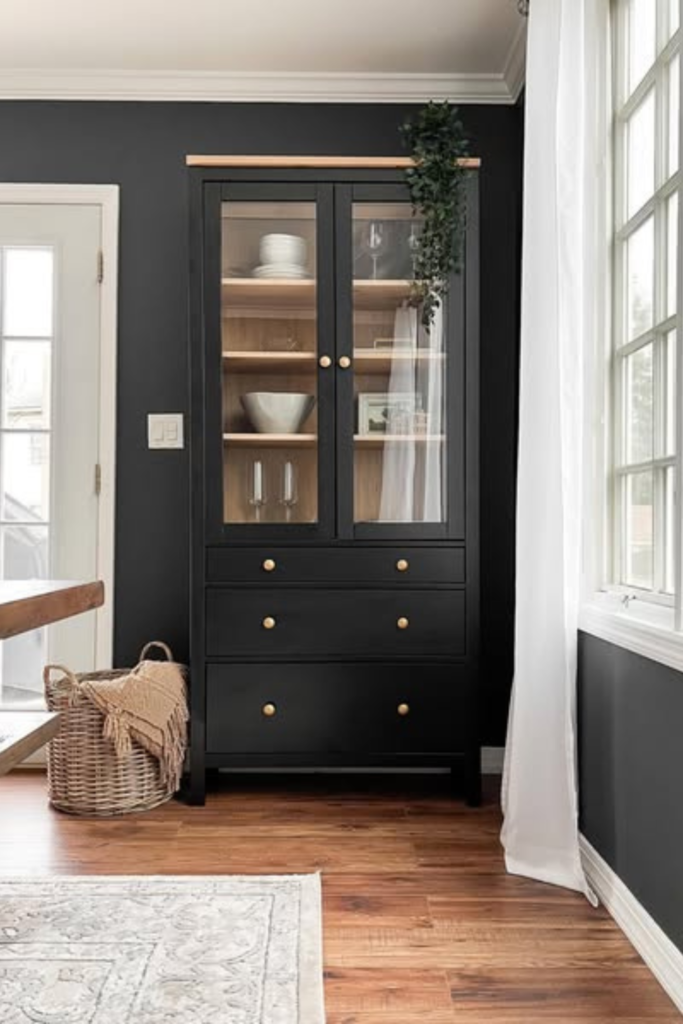
Tall and narrow cabinets make great use of vertical space. This works especially well in small dining rooms where floor space is limited. Corners become useful instead of wasted.
Glass doors on top allow for display, while drawers below handle hidden storage. Natural light keeps the cabinet from feeling heavy. Soft ceiling lighting supports the space after dark.
Bar Cabinet Niche
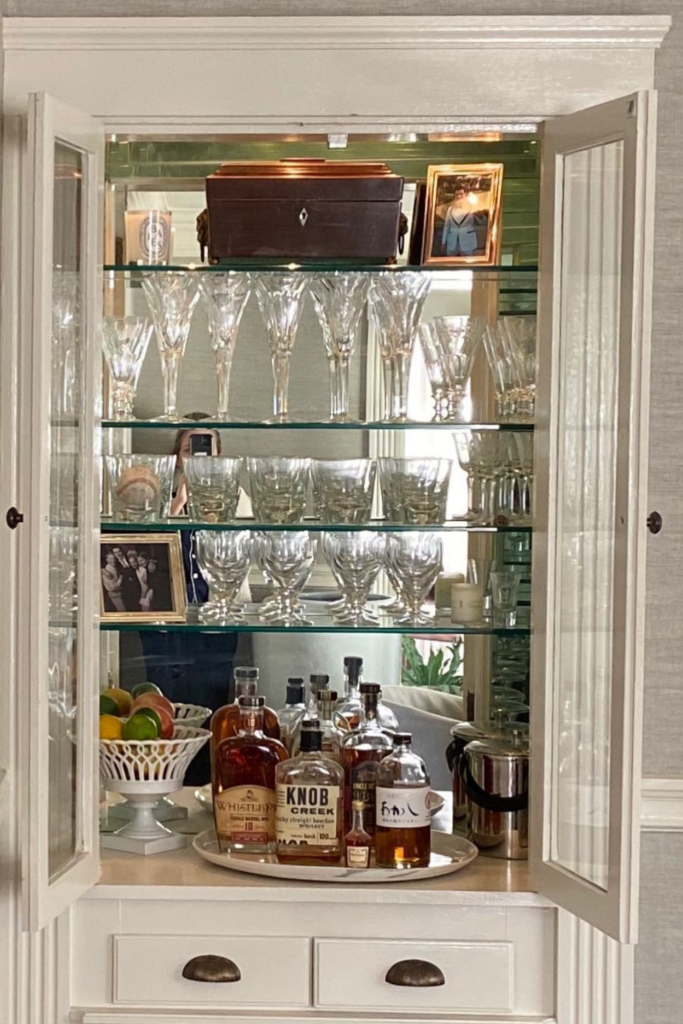
Even a small recessed wall can become valuable storage. Turning it into a bar-style cabinet gives the space purpose. This works well near dining areas connected to other rooms.
Glass shelves and reflective backing make the niche feel deeper. Interior lighting highlights glassware. Nearby room lighting keeps the setup feeling connected, not separate.
Symmetrical Storage Run
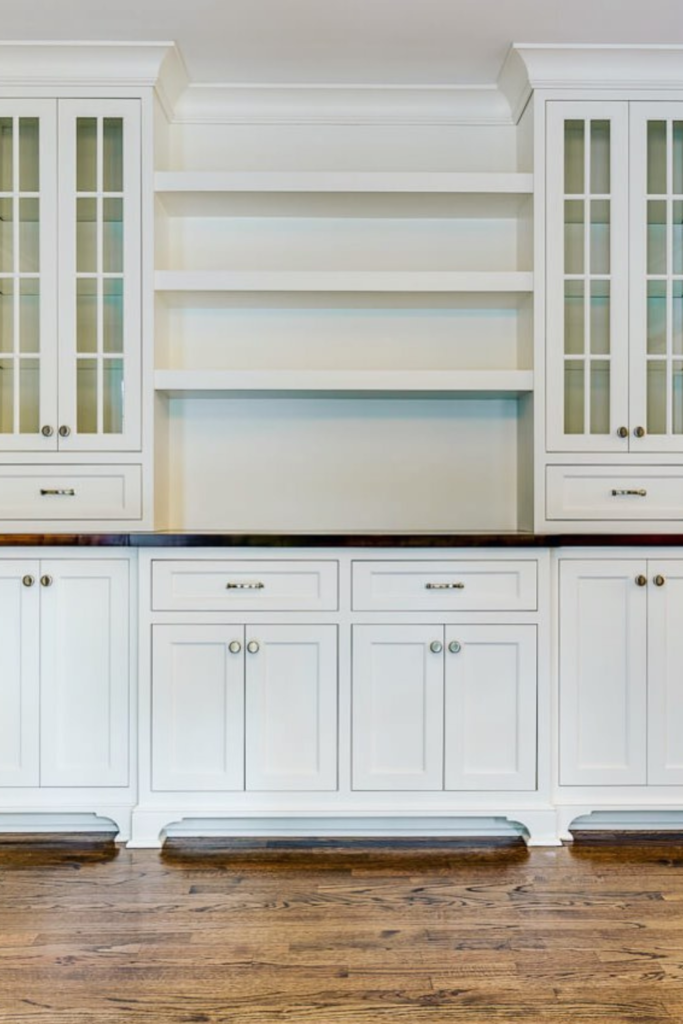
Symmetry helps a dining room feel calm and organized. This setup works best along long walls. Balanced storage creates order before anything is placed inside.
Base cabinets anchor the space, while matching glass cabinets on each side add height. Keeping the center open makes serving easier. Even lighting keeps the cabinetry from feeling flat.
Fireplace Storage Moment
The area around a fireplace often goes unused. Adding storage that frames it gives that space a purpose. This works well in more formal dining rooms.
Closed cabinets below store serving items, while glass cabinets above keep things light. Wall lighting adds warmth around the fireplace. Daylight keeps the cabinetry rich instead of heavy.
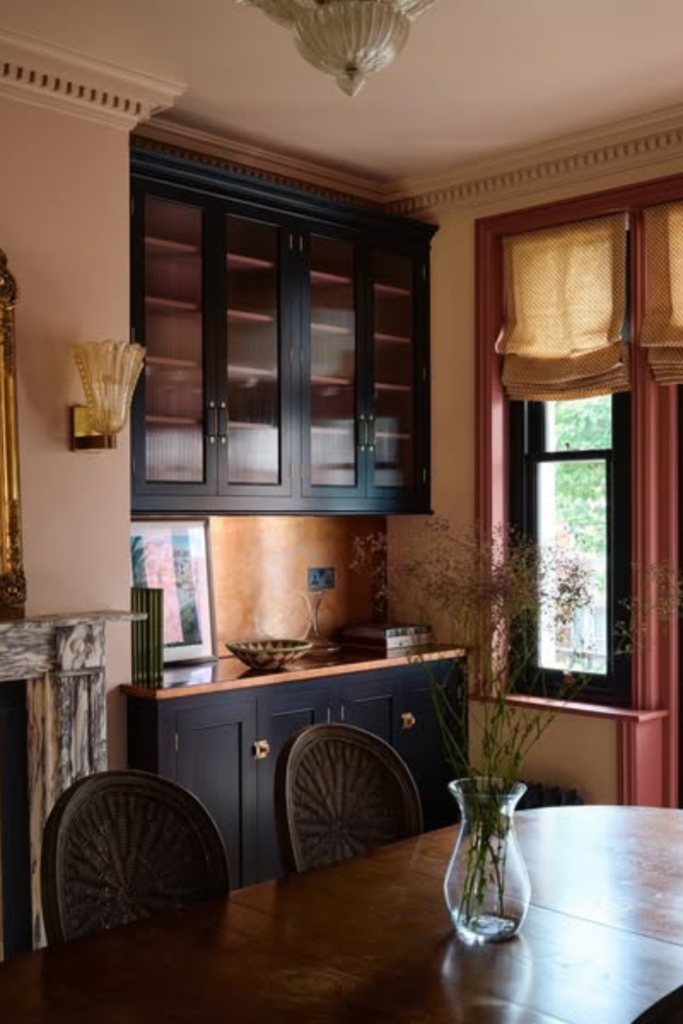
Pantry-Style Storage
Dining rooms used daily benefit from pantry-style thinking. Tall cabinets arranged in a row make overflow disappear. This setup works well for families.
Glass fronts allow quick access to items. Storage stays visible without feeling cluttered. Simple lighting over the table and natural light keep the wall from feeling crowded.
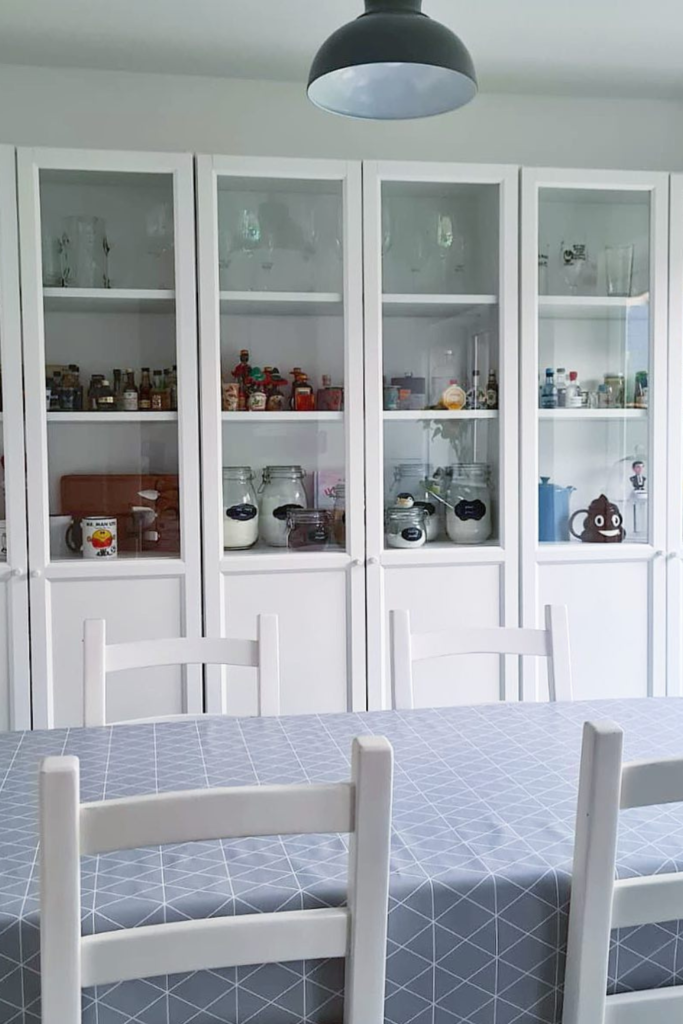
Beverage Storage Center
Giving drinks their own zone makes daily routines easier. A central counter framed by tall cabinets keeps everything within reach. This works well for entertaining spaces.
Storage feels organized instead of scattered. Lighting over the table adds focus. Daylight and ceiling lights balance the storage wall.
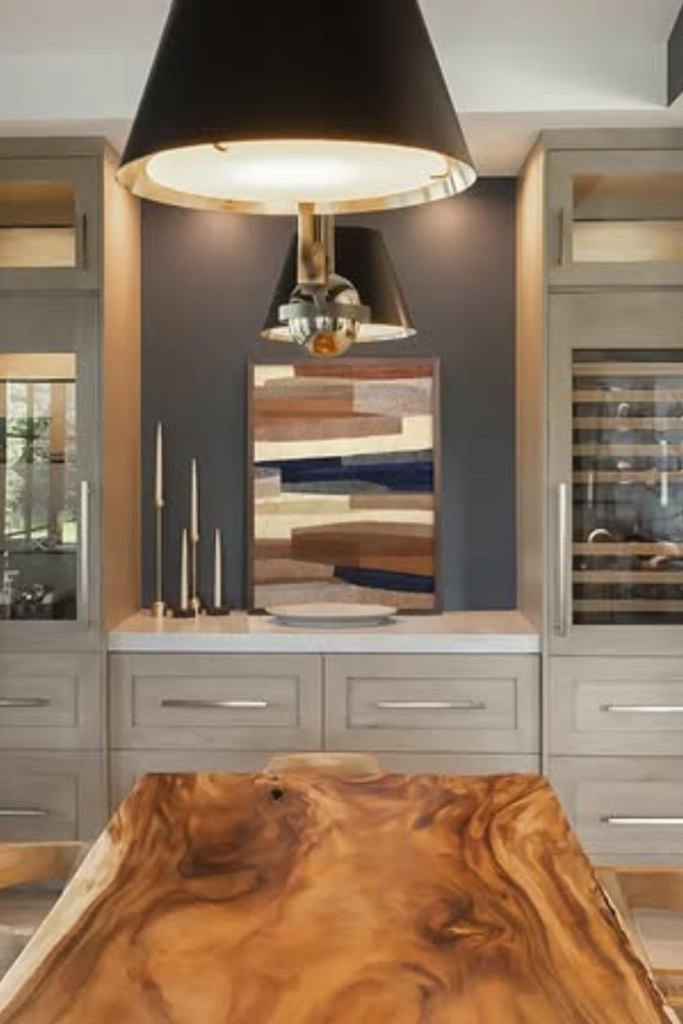
Library Wall Storage
Floor-to-ceiling shelves slow the pace of a dining room. This style works best in more formal spaces. It creates a calm and thoughtful atmosphere.
Slim shelves keep items visually tidy. Consistent spacing helps the wall feel balanced. Natural light keeps the storage from feeling dense.
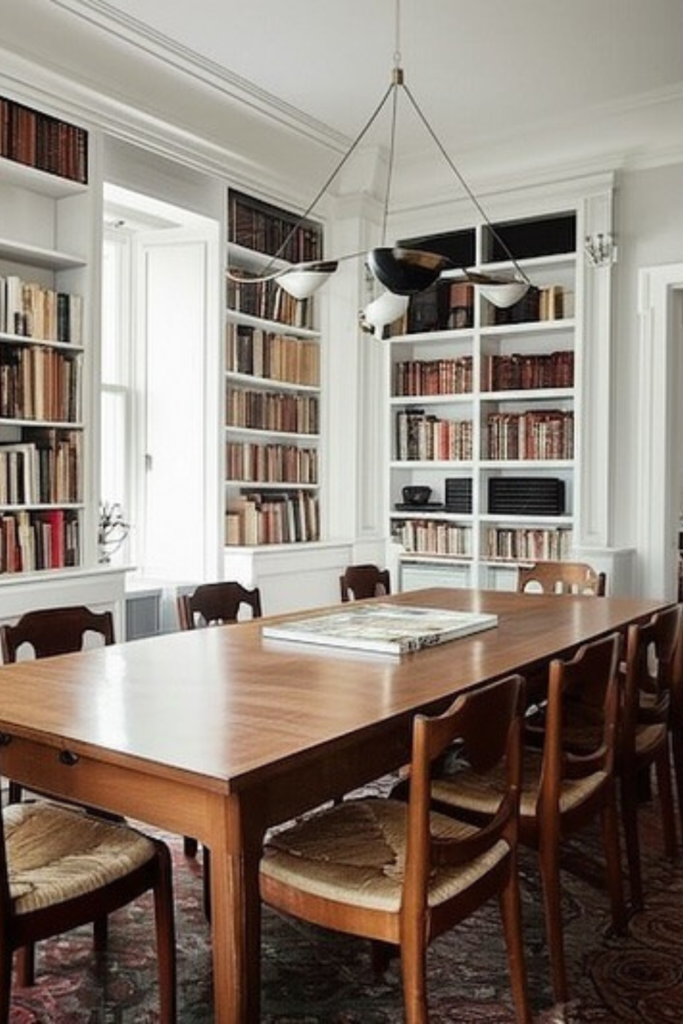
Balanced Beverage Storage
Heavy storage feels lighter when it is balanced. This idea works best on strong focal walls. The room feels more organized right away.
Tall cabinets on both sides create structure. Under-counter storage handles bottles and tools. Layered lighting softens the look and adds depth.
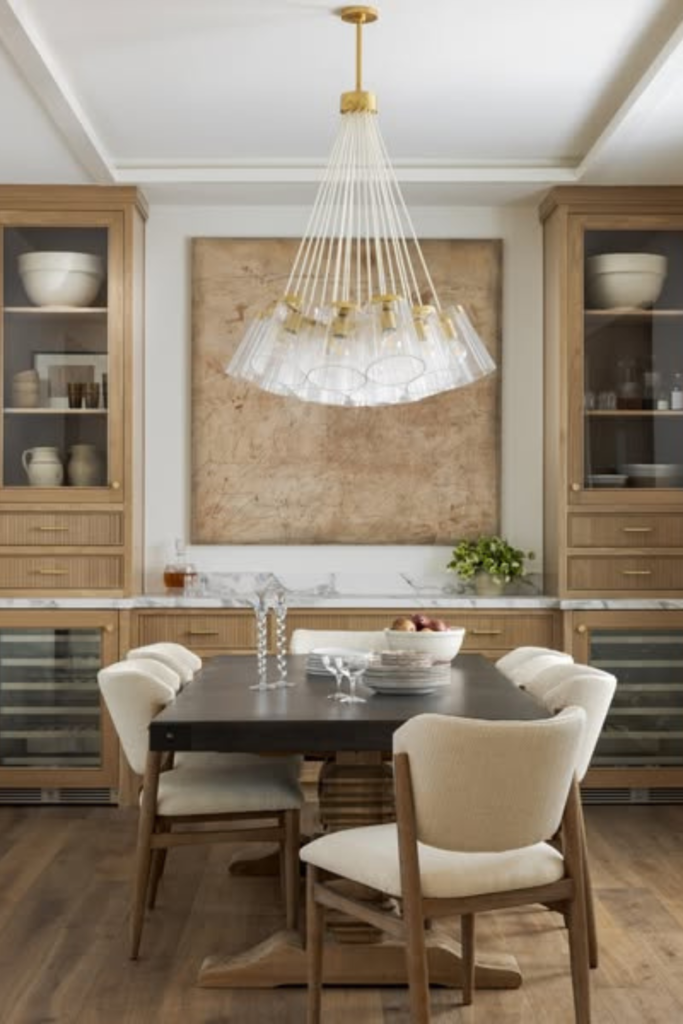
Low Sideboard Storage
Low storage keeps a dining room feeling open. This works well when the space shares walls with other areas. It avoids visual clutter.
Deep cabinets hide items completely. Wall details above add interest. Soft lighting and daylight keep darker finishes grounded.
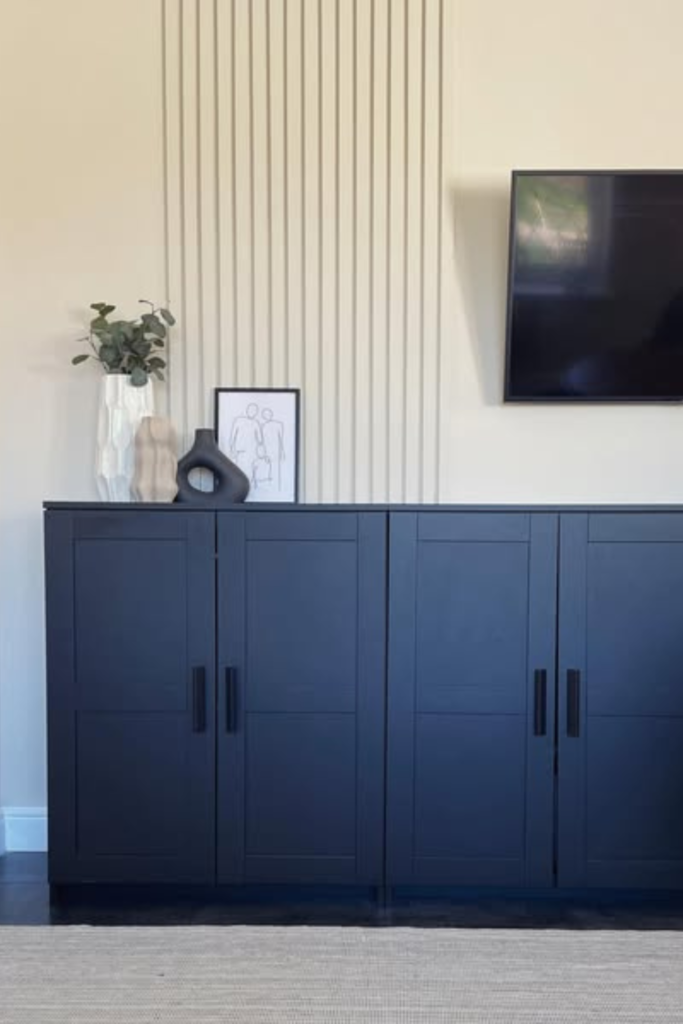
Vintage Hutch Storage
Older furniture pieces can solve modern storage needs. A vintage-style hutch adds character to the dining room. It works well in spaces with personality.
Open shelves on top allow display, while drawers below hide clutter. Natural light brings out texture. Ceiling lighting keeps the piece from overpowering the room.
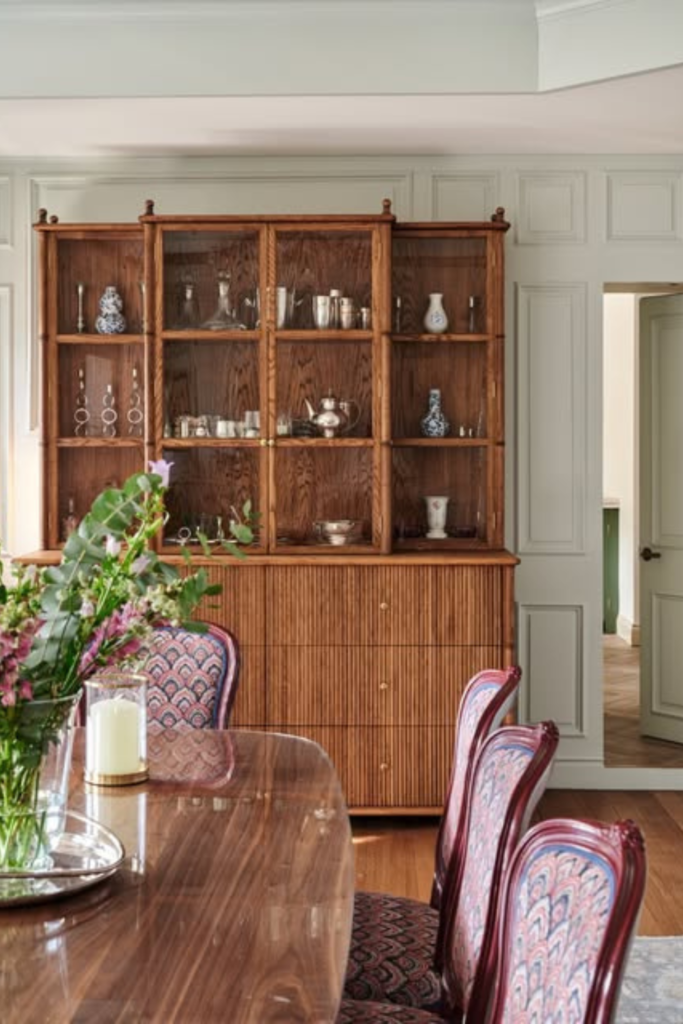
Floor-to-Ceiling Cabinets
Tall storage makes walls feel higher. This works best in rooms with good ceiling height. It maximizes storage without spreading outward.
Upper cabinets store rarely used items. Lower drawers handle daily needs. Warm lighting at the table keeps the room inviting.
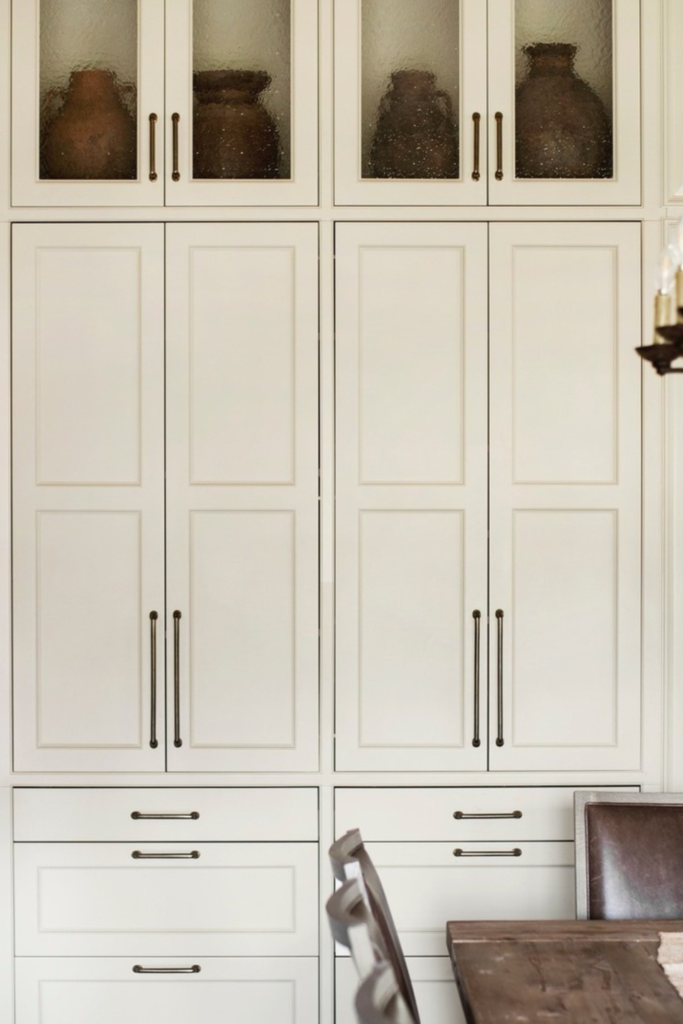
Wine Storage Feature
Wine storage can become a design feature. Pairing vertical wine storage with drawers keeps everything organized. This works well in frequently used dining rooms.
Glass storage keeps bottles visible. Focused lighting highlights the feature. Natural light prevents the area from feeling dark.
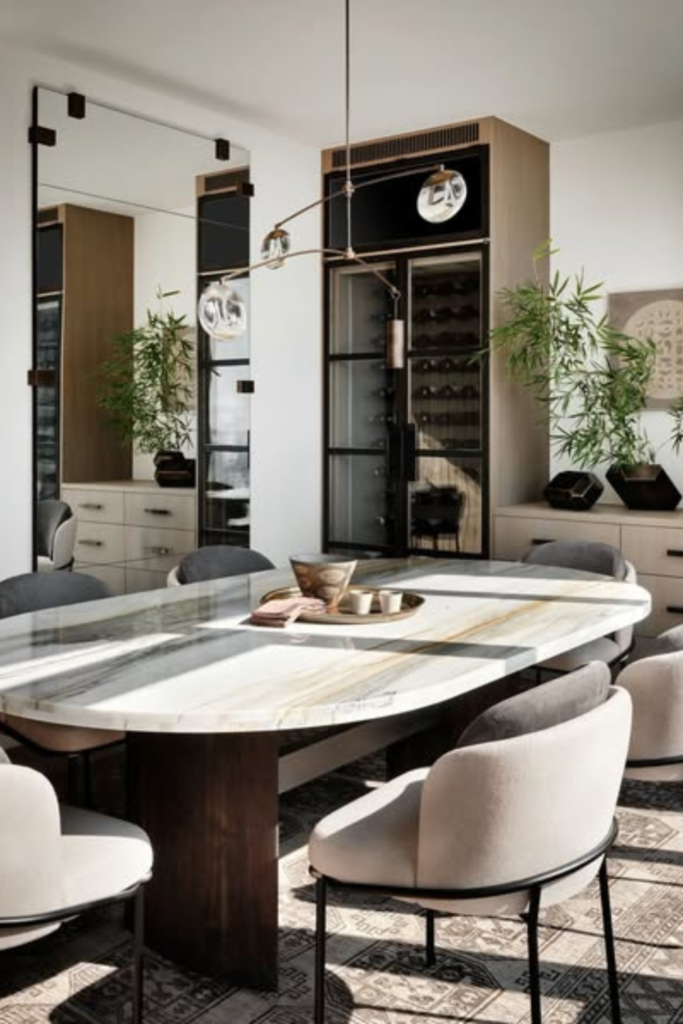
Kitchen-Style Storage
Borrowing kitchen-style storage solves overflow problems. Full cabinets with counter space add flexibility. This works well when dining and kitchen areas are close.
Glass uppers keep the setup light. Pendant lights handle tasks. Under-cabinet lighting adds depth in the evening.
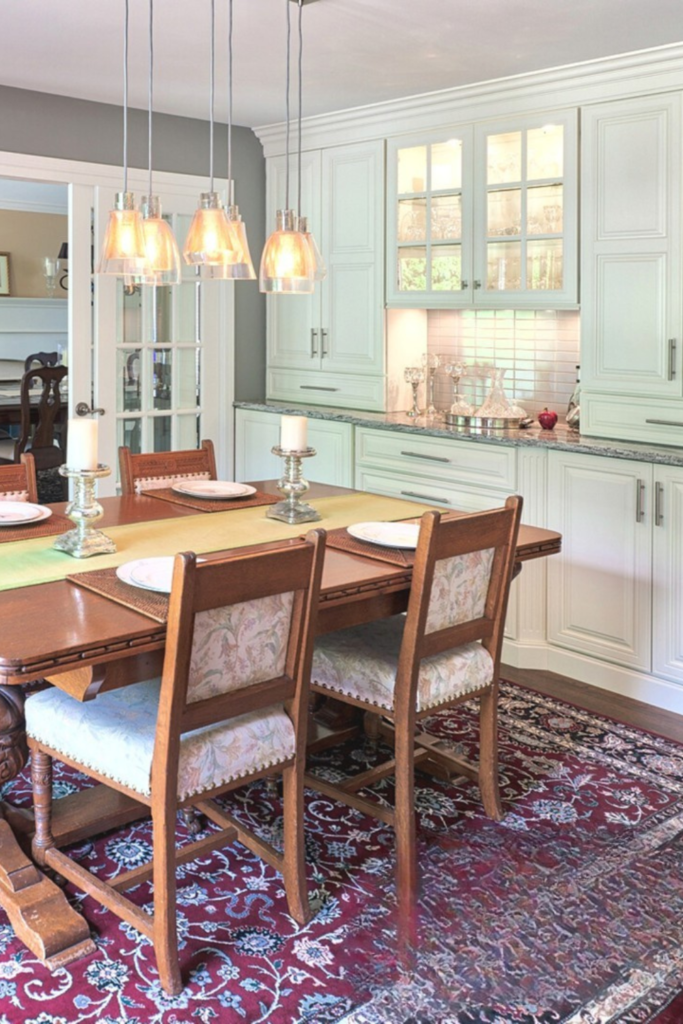
Open Shelf Balance
Open shelves feel lighter when used with intention. This works well when storage is needed but visual calm matters. Balance is key.
Base cabinets hide clutter, while shelves hold everyday items. Keeping colors simple avoids messiness. Natural light keeps the wall relaxed.
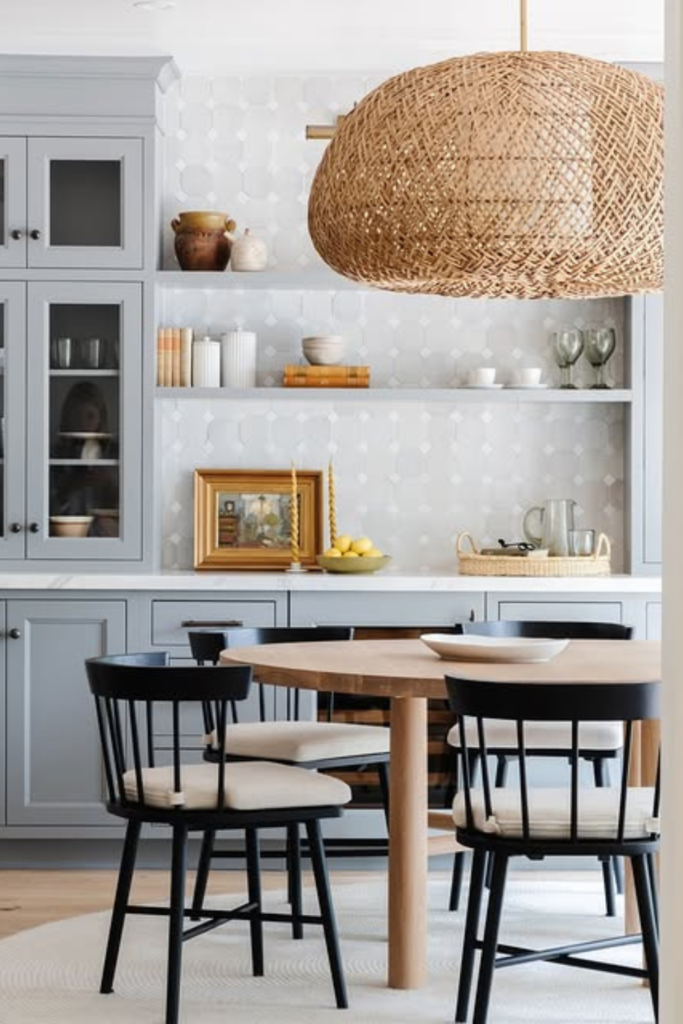
Bar Drawer Storage
Organizing drinks into zones keeps things neat. Deep drawers work well for bottles and tools. This fits dining rooms used for relaxing in the evening.
Visible upper storage helps with quick access. Soft accent lighting adds warmth. Ceiling lighting grounds the cabinetry.
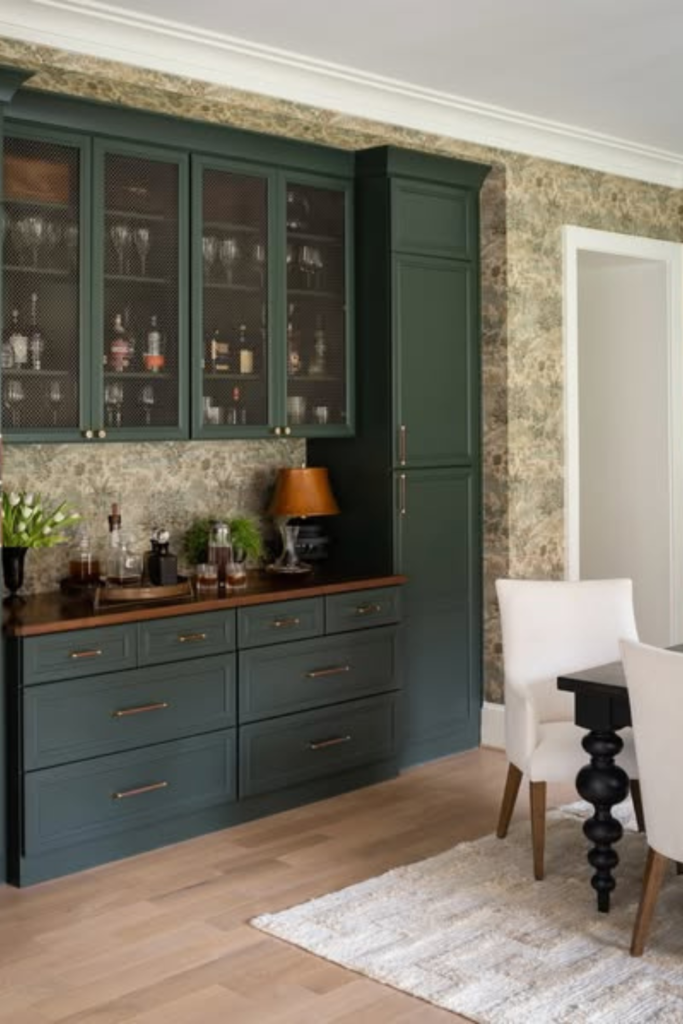
Storage Seating Combo
Combining seating and storage saves space. This works best in small dining rooms. It avoids adding extra furniture.
Built-in benches with drawers hold hidden items. Tall cabinets add vertical storage. Picture lighting and ceiling lights balance function and comfort.
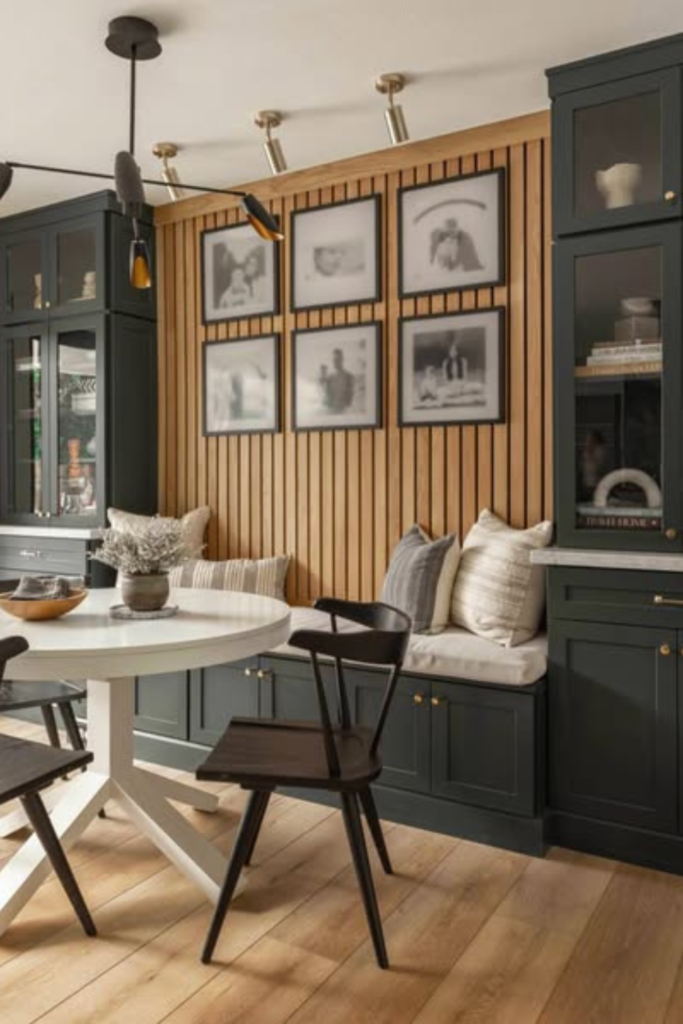
Art-Centered Storage
Storage feels more intentional when it frames something meaningful. This idea works well when you want a focal point. It keeps the wall from feeling plain.
Base cabinets run along the wall. Glass cabinets on each side add balance. Lighting highlights the art and keeps storage evenly lit.
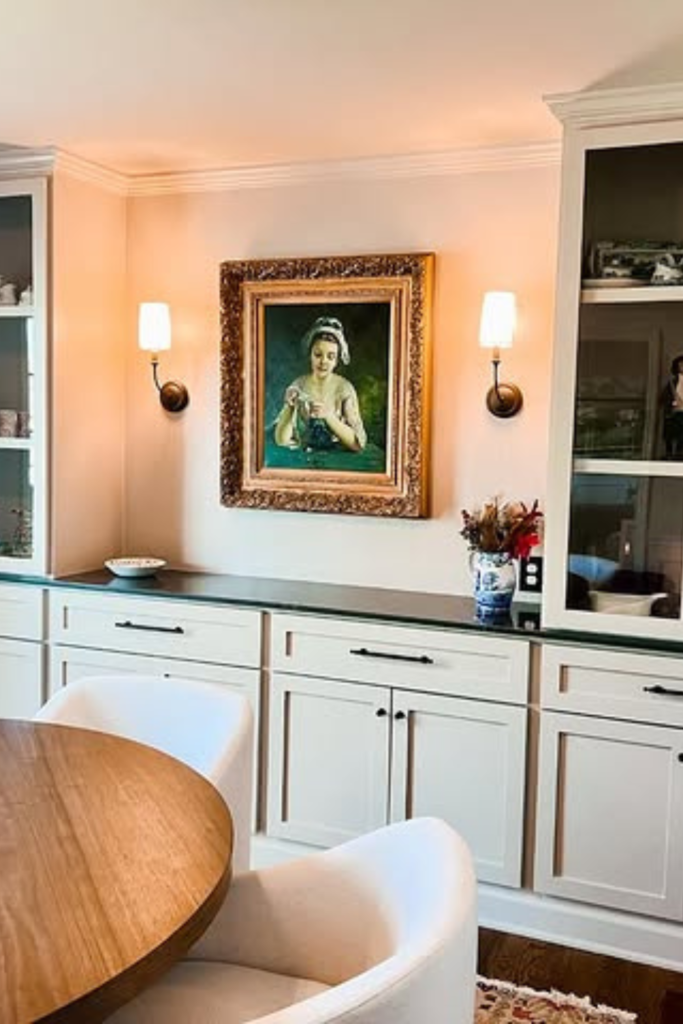
Corner Display Cabinet
Corners feel less awkward when storage fits them properly. A tall cabinet designed for corners makes good use of space. This works well near built-in seating.
Glass fronts keep the cabinet light. Wall lighting adds focus. Ceiling lights connect the corner to the rest of the room.
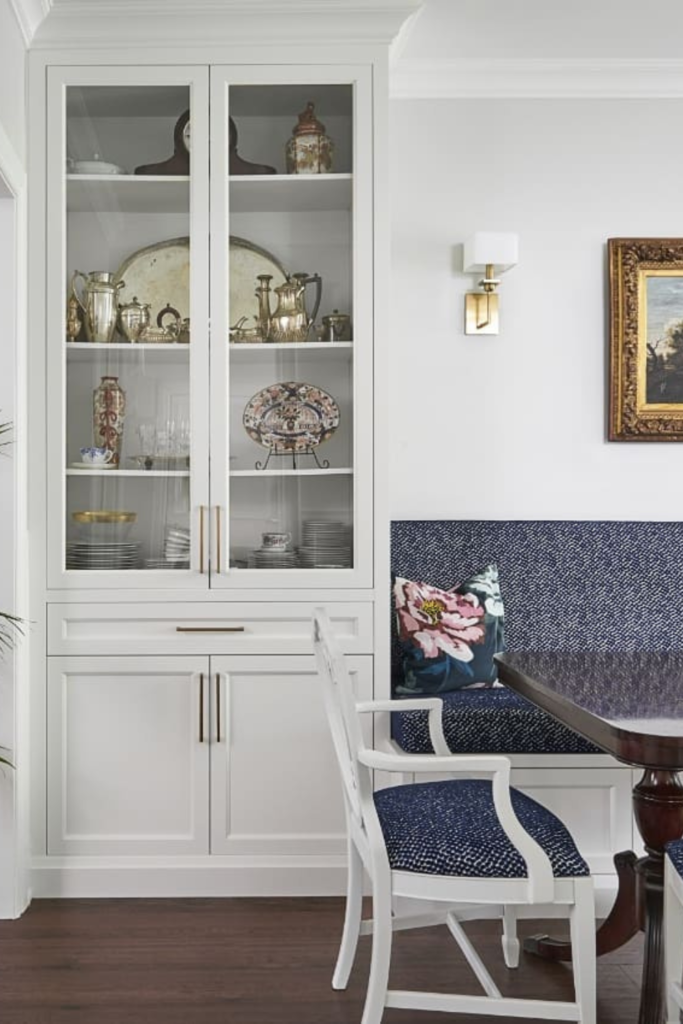
Glass Wall Storage
Glass-front storage allows light to pass through. This helps small dining rooms feel deeper. Storage stays visible without blocking the room.
Slim framing keeps the look clean. Daylig
ht does most of the work. Soft task lighting adds warmth.
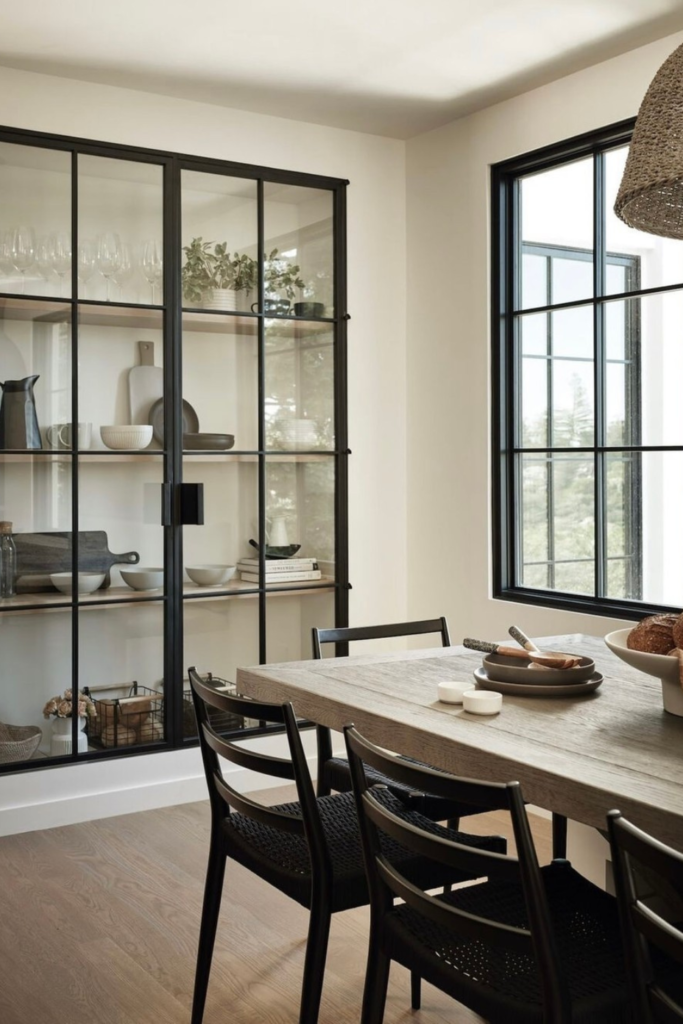
Tall Corner Storage
Rising storage makes corners functional. Tall glass cabinets keep light moving through the room. This works well when wall space is limited.
Filtered daylight keeps the area bright. Gentle lighting over the table balances the corner. Subtle ceiling lights prevent dark spots.
FAQs
What’s the best storage furniture for a small dining room?
The best choice is storage that uses height instead of floor space. Tall cabinets and wall storage give room to walk freely. They keep the dining area open.
Closed drawers help control clutter. Glass doors can work if shelves stay simple. The key is balance.
How do I keep open shelves from looking cluttered?
Limit what you place on them. Repeat similar items and group things neatly. This keeps shelves looking planned.
Hide less attractive items in drawers. Adding soft lighting makes shelves feel styled, even at night.