16 Homework Station Organization Ideas for 2026
Homework time often begins with a good plan but ends in stress.
Your child gets up again and again, pencils disappear, and focus breaks quickly.
You keep reminding them to sit down and finish their work.
You may already have a desk set up at home.
But even with a desk, things still feel messy and distracting.
The problem is usually not the desk itself, but how the space is arranged.
In this article, you will learn how to pick the right spot for homework.
You will also find 16 homework station organization ideas that truly help.
These ideas are simple, practical, and easy to follow in 2026.
What is the Best Location in the House for a Homework Station?
The best place for a homework station depends on how your home works every day.
It should fit your routine, not just look nice in pictures.
A good setup supports focus and keeps supplies within reach.
If the space is too far from daily activity, kids may feel alone.
If it is placed in a very busy area without a plan, distractions increase.
Balance is important for steady focus.
Many families do well with homework stations in shared spaces.
Kitchens, dining areas, or family rooms often allow light supervision.
You can check in without standing over your child.
When homework happens in the same spot every day, it becomes a habit.
Your child does not waste time choosing where to sit.
The routine makes starting easier and smoother.
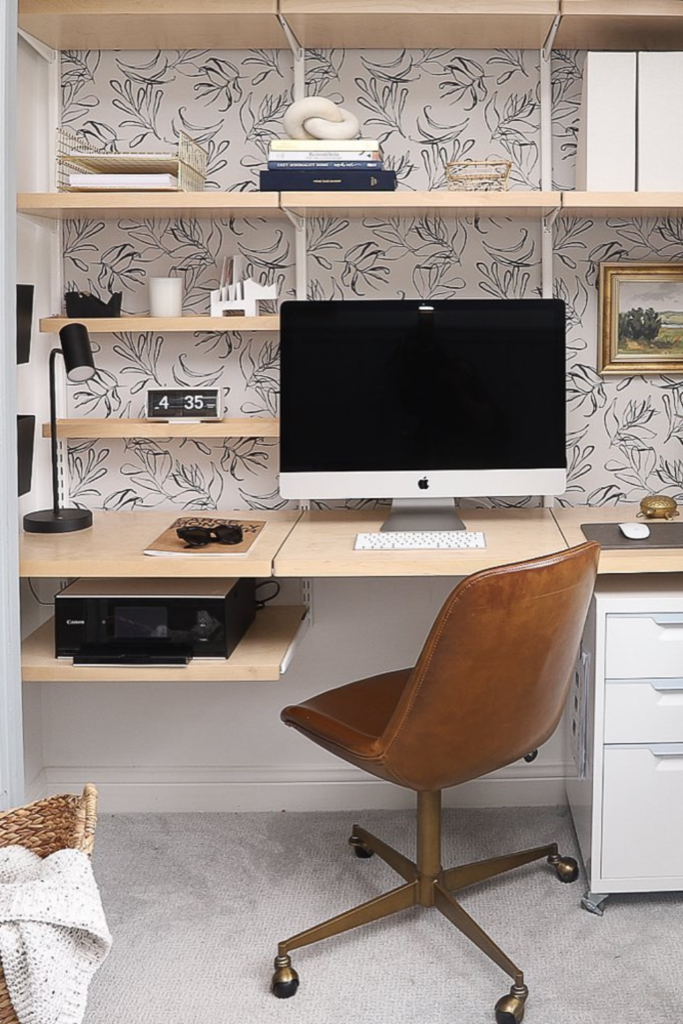
Floating Shelf Focus
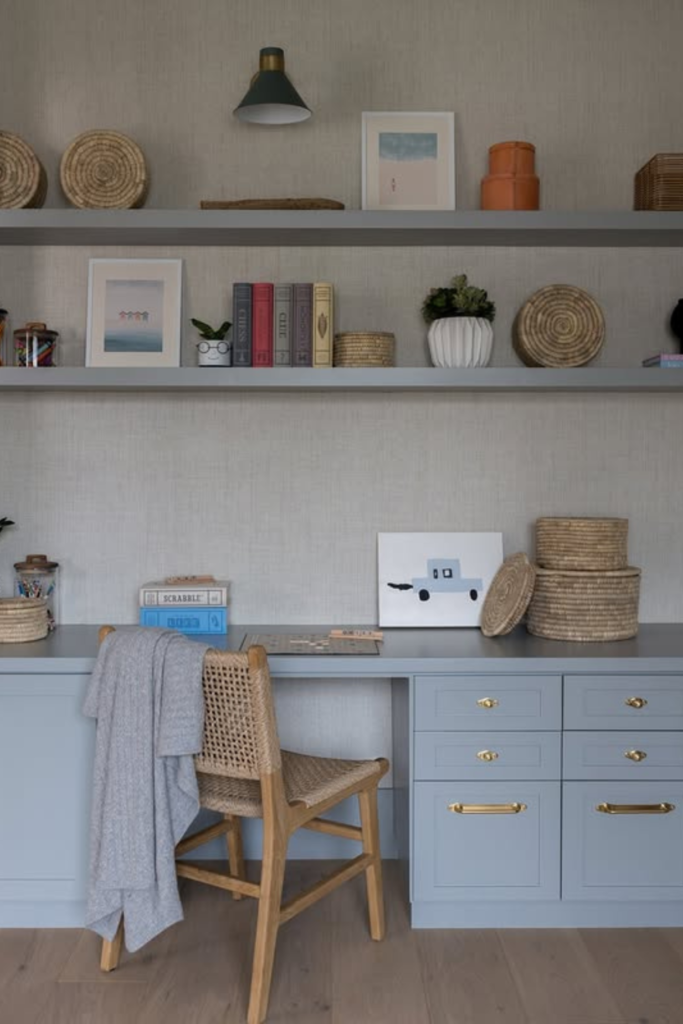
Using vertical shelves keeps the desk surface clear.
Books and baskets stay above, while the desk is saved for daily work.
This reduces clutter and makes tasks feel simple.
Deep floating shelves help when floor space is limited.
The desk becomes a calm area instead of a storage zone.
Everything has a place without crowding the table.
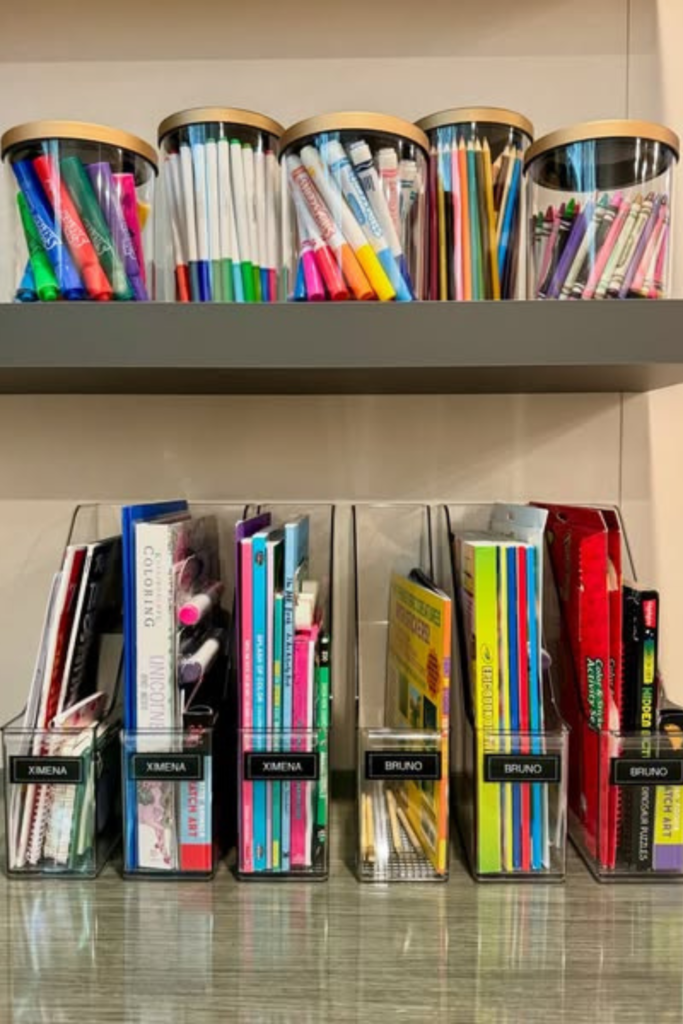
Color-Sorted Supplies
Sorting supplies by type saves time.
Pens, pencils, and markers each stay in their own container.
This makes it easier to grab what is needed.
Clear jars and labeled bins help keep order.
Books can be grouped by subject or by child.
Visual organization supports smoother homework time.
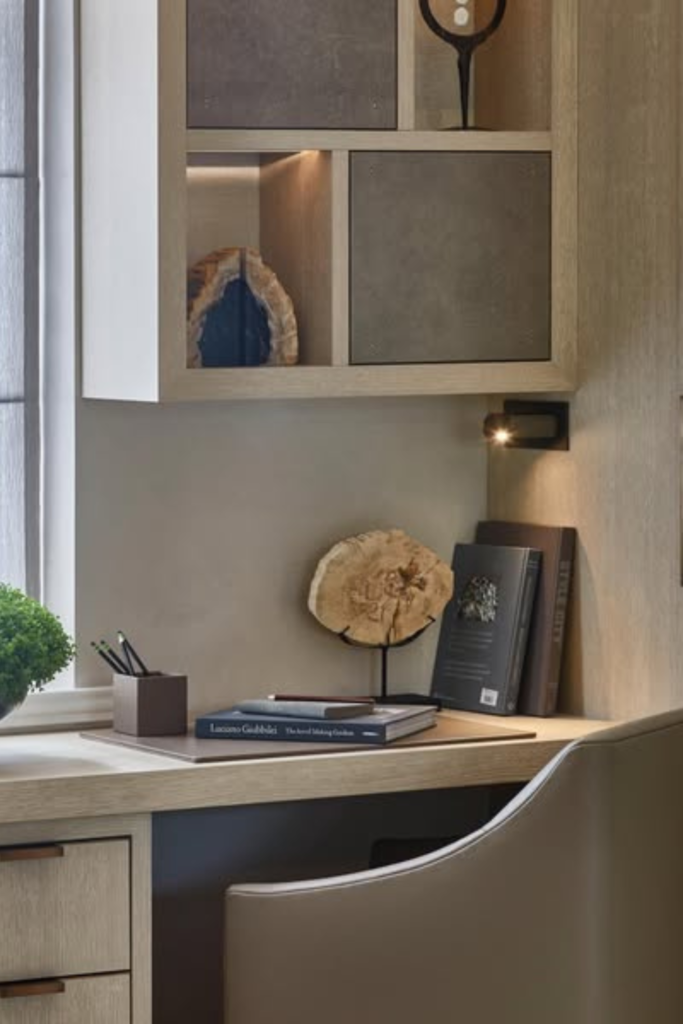
Built-In Calm
A contained workspace lowers distractions.
Closed cabinets above the desk hide extra supplies.
Only basic tools stay on the surface.
This setup works well in quiet corners.
Lighting under cabinets brightens the desk without glare.
The space feels focused and controlled.
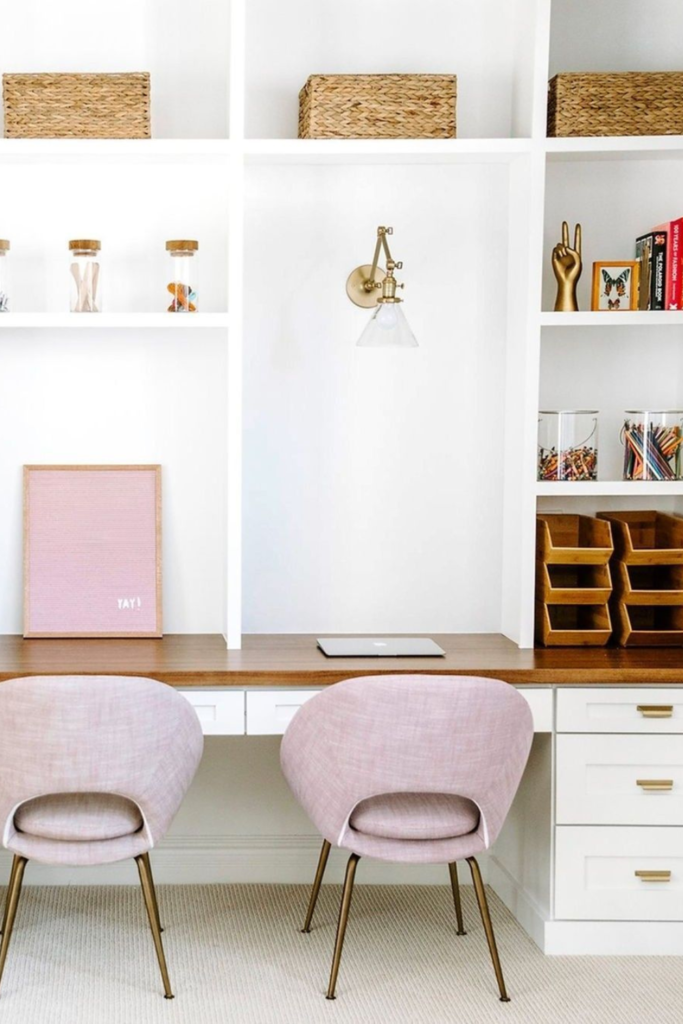
Shared Study Zones
When siblings work side by side, structure matters.
A long desk gives each child their own spot.
Storage above can be divided clearly.
Personal bins help avoid mixing supplies.
Good lighting supports longer study sessions.
Defined space reduces arguments and clutter.
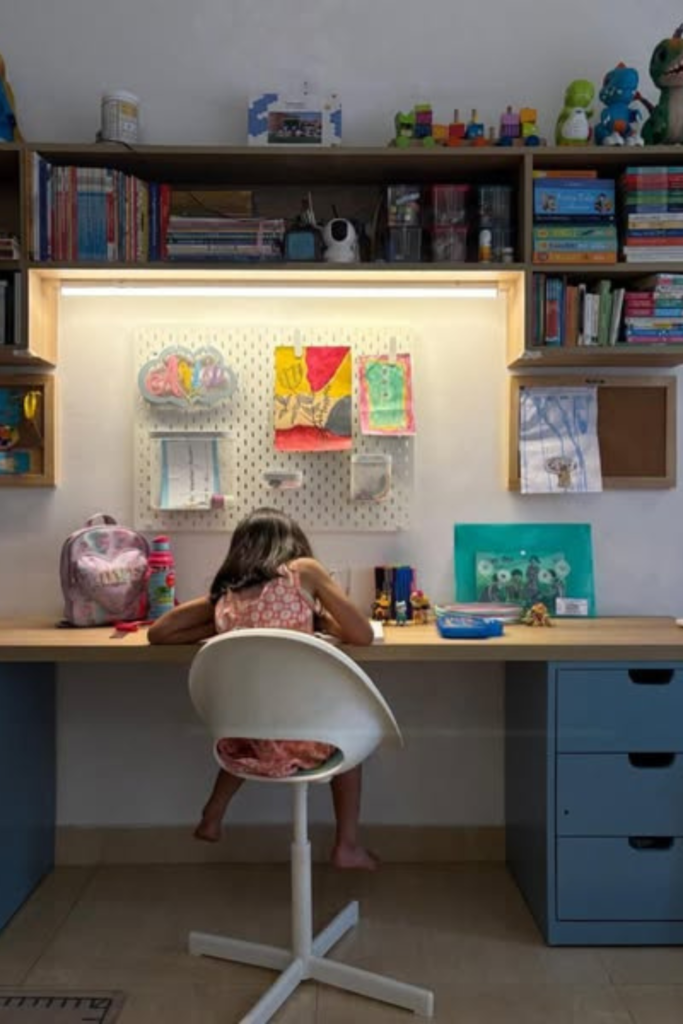
Pegboard Control Center
A pegboard keeps tools visible and easy to grab.
Cups, hooks, and small shelves hold daily supplies.
Closed storage above can hold extras.
This setup keeps hands busy without searching.
Everything stays in sight but organized.
It works well in bedrooms or play areas.
Closet Study Nook
An unused closet can turn into a small study space.
Shelves above and a compact desk create a focus zone.
The door helps block outside distractions.
Rolling drawers can hold extra supplies.
A task lamp keeps the surface bright.
The small space feels private and calm.
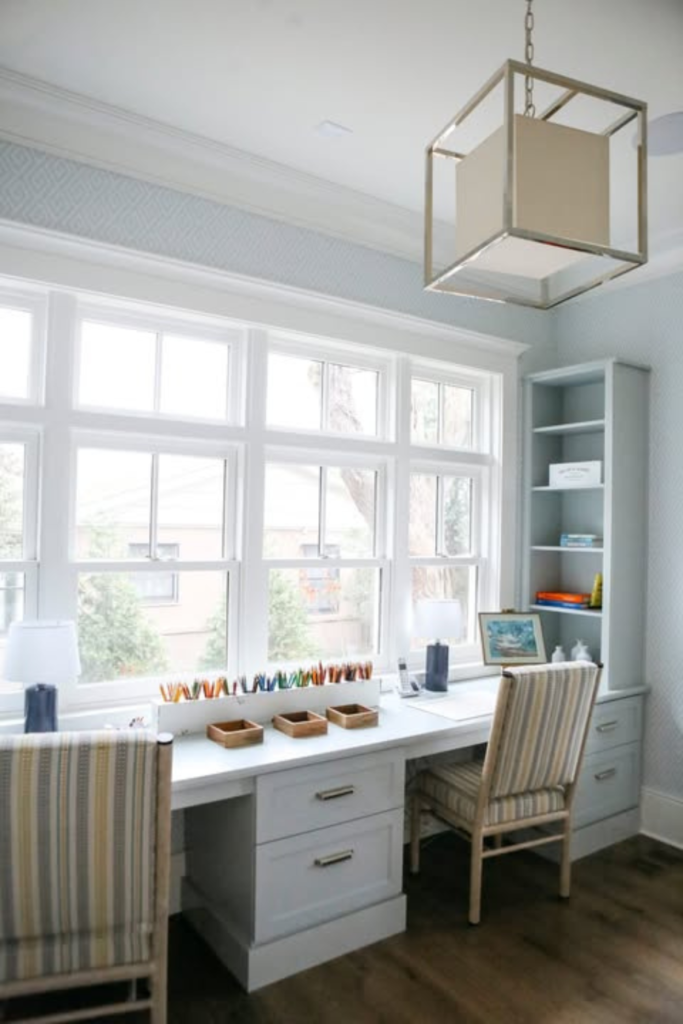
Window-Lit Workspace
Natural light helps children stay alert.
Placing a desk near a window supports focus.
The room feels open and bright.
Shallow drawers hold supplies neatly.
Simple organizers prevent clutter buildup.
Extra lighting helps during evening hours.
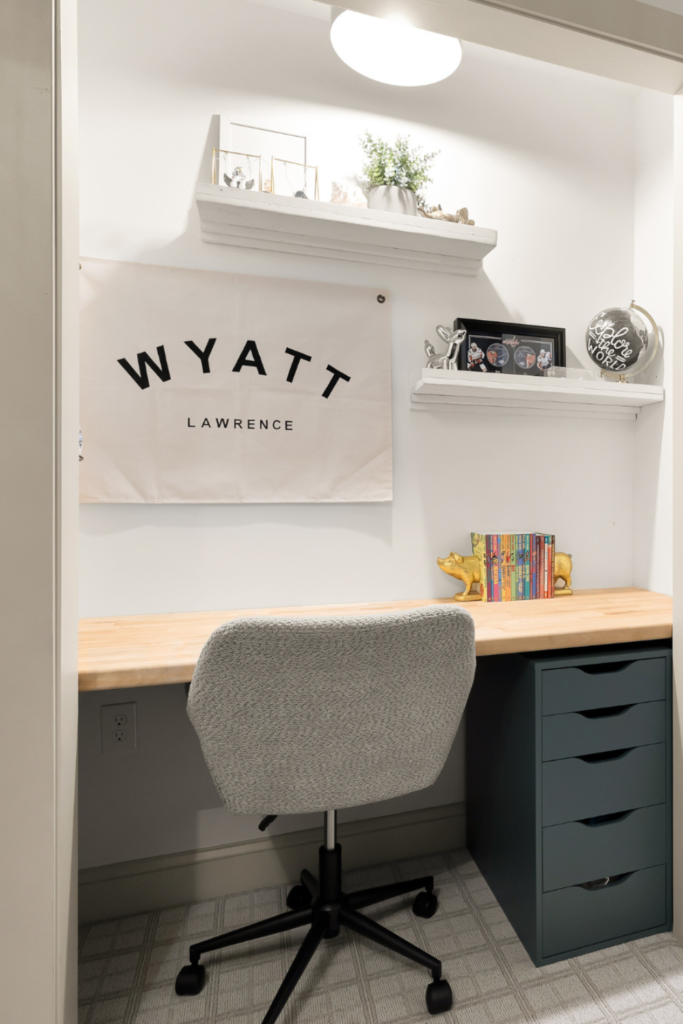
Personalized Study Nook
When kids feel ownership, they follow through better.
A personal desk with shelves for books builds responsibility.
Keeping distractions out of sight supports focus.
A slim drawer unit stores daily tools.
Soft lighting keeps the area comfortable.
The space feels special but still organized.
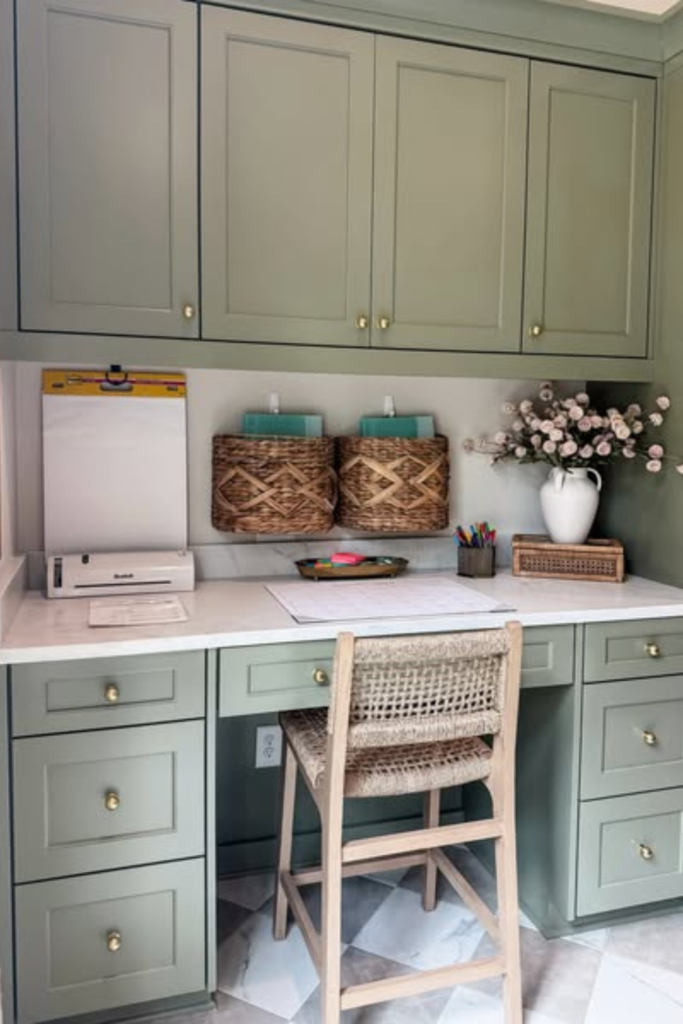
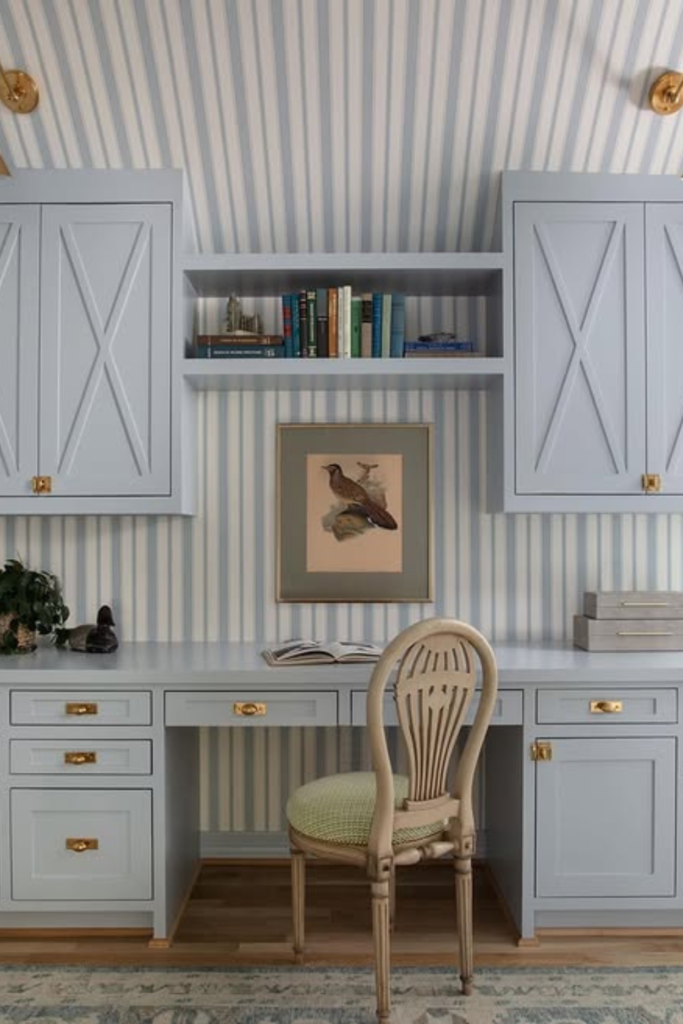
Cabinet-Closed Station
Closing doors quickly hides visual clutter.
Drawers and baskets store supplies neatly.
The area can return to normal after homework ends.
This works well in shared rooms.
Lighting under cabinets supports close tasks.
The space stays useful for other activities too.
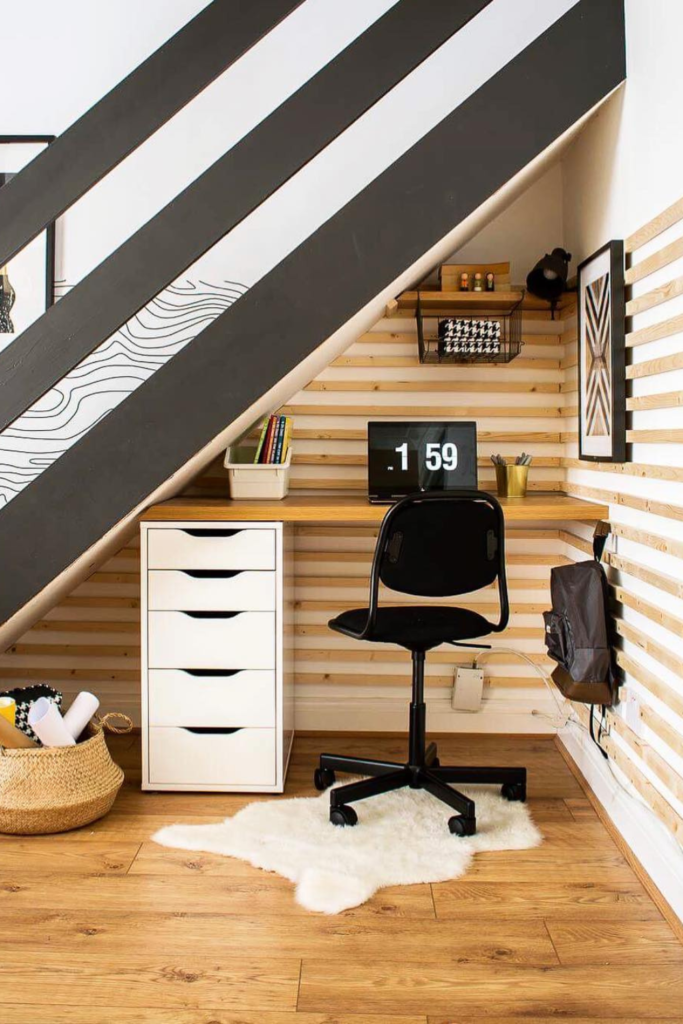
Under-Stair Nook
Empty space under stairs can become a study area.
A slim desk and vertical drawers fit well there.
Wall shelves hold books without blocking movement.
A desk lamp handles detailed work.
Overhead light keeps the space bright.
It turns an unused corner into something practical.
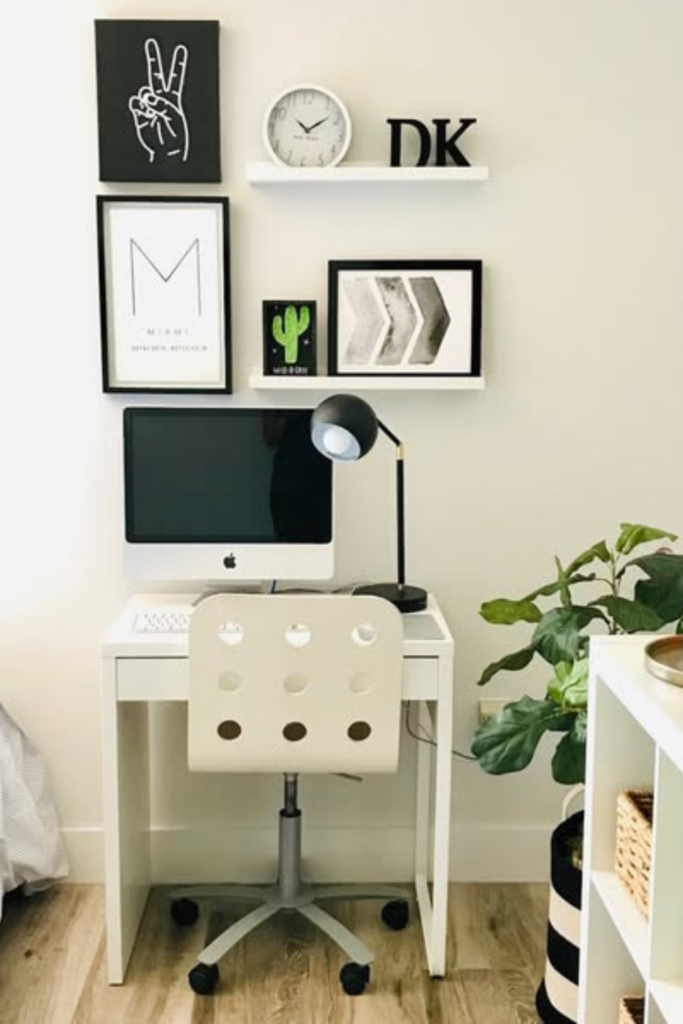
Minimal Wall Setup
Less clutter makes it easier to begin homework.
A compact desk with a few shelves is enough.
Extra supplies stay stored elsewhere.
This keeps the area light and flexible.
Natural light helps during the day.
A simple lamp supports evening tasks.
Dual-Desk Balance
Two matching desks create equal space.
Each child gets their own shelves above.
A clear divider adds structure.
Overhead lighting brightens the whole area.
Task lamps help with focused work.
Defined zones reduce distractions.
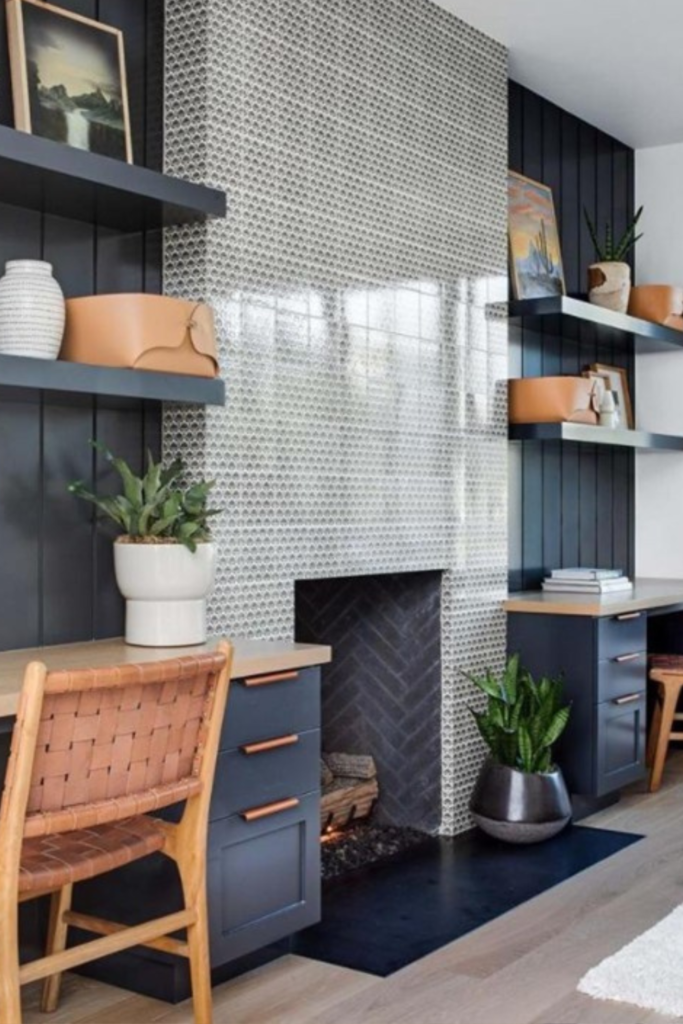
Symmetry Keeps Order
Balanced storage makes cleanup simple.
Matching cabinets on both sides create structure.
A centered desk anchors the space.
Shallow drawers hold daily supplies.
Even lighting prevents shadows.
The layout feels steady and calm.
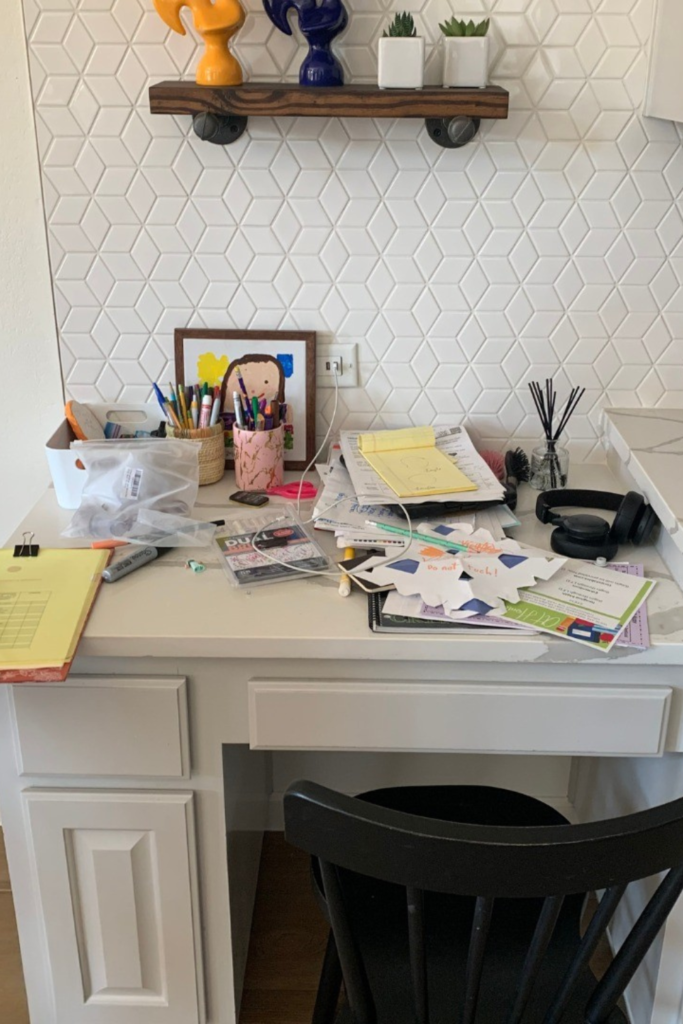
Resettable Kitchen Desk
Kitchen counters can turn messy quickly.
Limiting items to one caddy and one tray helps control clutter.
Extras stay stored below.
This makes cleanup faster each day.
Lighting keeps work visible.
The surface can reset easily after use.
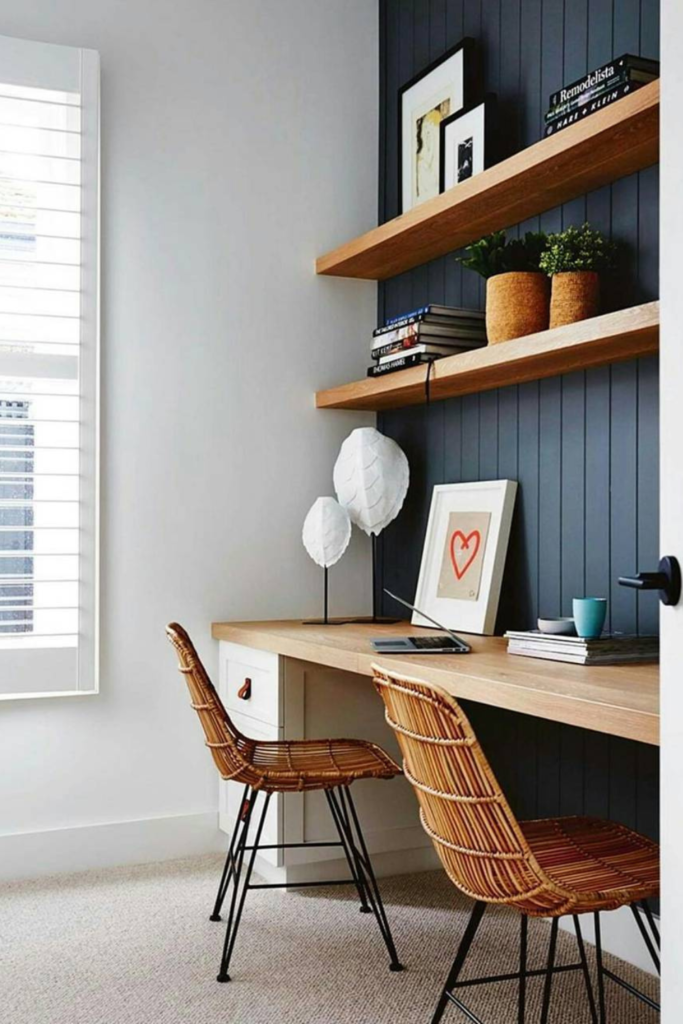
Vertical Shelf Flow
Using wall height saves floor space.
Floating shelves above the desk hold books neatly.
Only current items stay within reach.
Natural light supports daytime work.
Soft ceiling lighting helps in the evening.
The setup feels open but organized.
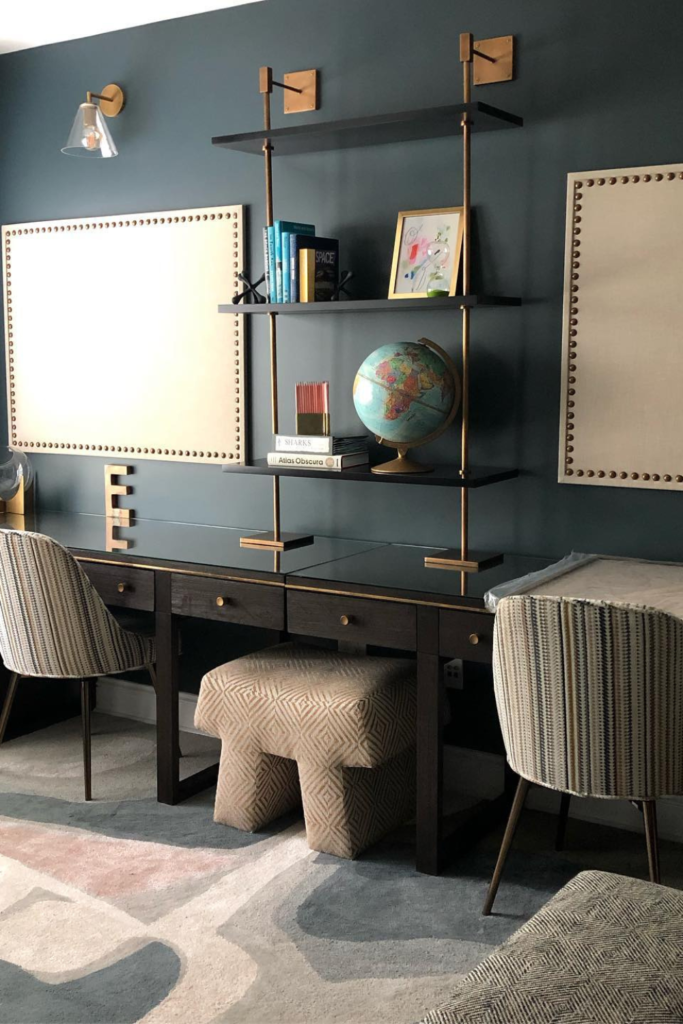
Defined Work Zones
Clear boundaries help when multiple kids share a space.
Each child has their own desk and board.
Shared shelves sit between them.
Task lighting at each station supports focus.
Ceiling lights brighten the whole room.
Defined areas prevent overlap and confusion.
FAQs
Should homework stations be in bedrooms?
Bedrooms may seem quiet but can include distractions.
Toys, beds, and screens may interrupt focus.
Younger children often work better in shared spaces.
Older kids may prefer bedrooms if they manage time well.
The desk should stay separate from the sleep area.
Clutter and devices should be controlled carefully.
How do I keep the homework station from getting messy again?
Daily habits matter more than storage systems.
Keep only current supplies on the desk.
Store extras out of sight.
Use one tray for active papers.
Add one bin for random items.
Spend five minutes each evening resetting the space.
Consistency keeps clutter from building up again.
Small daily resets prevent large messes later.
A simple routine protects your organized space.