25 Brain Games for Dogs for 2026
25 Brain Games for Dogs
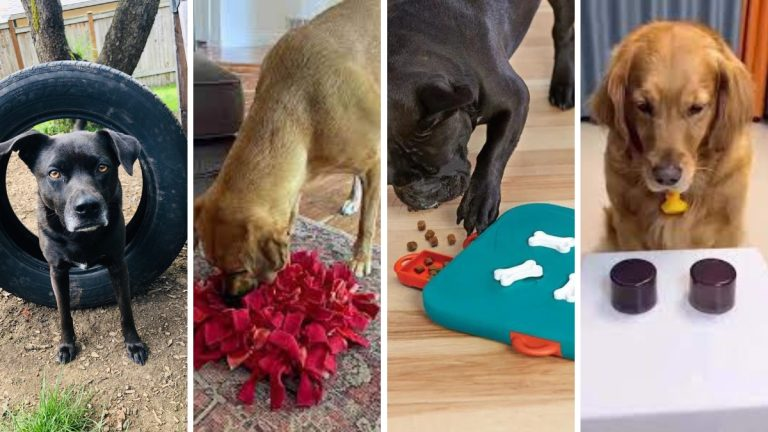
Brain games are a great way to keep your dog entertained. These activities challenge your dog’s problem-solving skills, improve their focus, and help prevent boredom. Here are 25 exciting brain games for mental enrichment.
Hide and Seek
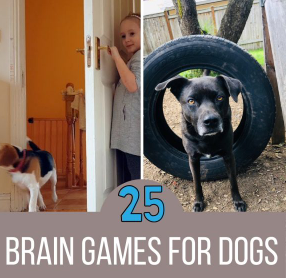
Hide treats or your dog’s favorite toys around your house while your dog is not in the room. Then call your dog and encourage them to find the hidden items. This game uses your dog’s natural sniffing abilities and stimulates their problem-solving skills.
The Shell Game
Place a treat under one of three cups. Shuffle the cups while your dog watches. Then let your dog use their nose or paw to choose the cup hiding the treat. This game sharpens your dog’s attention and memory.
Puzzle Toys
Puzzle toys are interactive games where your dog must figure out how to get treats from inside. Popular toys like the Outward Hound Brick Puzzle have compartments that require sliding, flipping, or lifting. These toys keep dogs entertained and mentally engaged.
Name Game
Teach your dog the names of their toys. Start by naming one toy and using that name during play. Once your dog understands, gradually introduce more toys and names. Ask your dog to fetch a specific toy by name. This game enhances memory and cognitive skills.
Towel Roll
Spread treats on an old towel. Roll up the towel, hiding the treats inside the layers. Give the rolled towel to your dog and let them figure out how to unroll it to get the treats. This promotes independent play and problem-solving.
Which Hand?
Hide a treat in one of your closed hands. Show both fists to your dog and ask them to choose the correct hand. When your dog picks the right hand, reward them with the treat. This game enhances your dog’s sense of smell and decision-making.
Hot and Cold Game
Hide a treat when your dog is not looking. Use a calm tone to say “colder” as your dog moves away from the treat. Use an excited tone for “hotter” as they get closer. This game improves your dog’s listening skills and problem-solving.
Teach New Tricks
Regularly teach your dog new tricks like “roll over” or “play dead.” Use positive, reward-based training to keep your dog motivated. Learning new tricks stimulates your dog’s brain, enhances memory, and builds confidence.
Dog Parkour
Add obstacles to your daily walks to create dog parkour. Teach your dog commands for jumping over logs, weaving through poles, or crawling under benches. This combines physical and mental exercise, requiring focus and coordination.
Fetch with a Twist
Add a mental challenge to fetch. Before throwing the ball, ask your dog to perform commands like “sit,” “stay,” or “shake.” Reward them by throwing the ball after they obey. This game improves impulse control and cognitive skills.
Snuffle Mat
A snuffle mat is a fabric mat with many fabric strips. Hide treats or kibble within the layers. Your dog must use their nose to search and sniff out the food. This stimulates their natural foraging instincts and provides mental exercise.
Interactive Feeding
Use interactive feeders or treat-dispensing toys for mealtime. These devices make your dog work for their food by solving a puzzle or manipulating the toy. This provides mental stimulation and can slow down fast eaters. Popular options include the Kong Wobbler.
Toy Pick-Up
Teach your dog to pick up their toys and put them in a box or basket. Show them how to pick up a toy and drop it in the container, rewarding them with treats. This game encourages obedience and problem-solving as they learn to clean up.
Switch Up Walks
Change your walking routes regularly. Take different paths, visit new parks, or explore new neighborhoods. New sights and smells keep your dog’s brain engaged and reduce boredom. This enhances their sensory processing and mental health.
Obstacle Course
Set up a mini obstacle course in your yard using household items like cones, chairs, and tunnels. Guide your dog through the course with commands and rewards. This helps improve your dog’s focus and coordination.
DIY Agility Course
Create a DIY agility course using cones, tunnels, and jumps. Start with basic commands like “jump” and “weave.” Progress to more complex tasks as your dog learns. This game improves agility, coordination, and obedience.
Learn to Make Eye Contact
Teach your dog to make eye contact on command. Hold a treat near your eyes and say “look at me.” Reward your dog when they make eye contact. Gradually phase out the treat. This improves your dog’s focus and obedience.
Interactive Tug-of-War
Play tug-of-war but add rules. Teach your dog to drop the toy on command or to sit before the game starts. This encourages your dog to follow instructions and practice self-control during play.
Treat Under Tennis Balls
Place treats in a muffin tin. Cover each cup in the tin with a tennis ball. Your dog must figure out how to remove the balls to get the treats. This game engages problem-solving skills and is good for dogs who like using their paws and nose.
Scent Work
Hide scented items around your house. Start with a familiar scent, like a piece of cloth with your smell. Train your dog to find that specific scent. Gradually introduce new scents like herbs. This taps into your dog’s natural abilities and enhances sensory processing.
Follow the Leader
Walk around your house or yard, performing actions like sitting, standing, or turning. Your dog must watch and mimic your movements. Start with simple actions and get more complex. This game reinforces basic commands and improves attention.
Hand Signals
Teach your dog to obey hand signals without verbal commands. Start by pairing a hand signal, like a raised palm for “stay,” with the verbal command. Gradually use only the hand signal. Reward your dog for correct responses. This improves communication and focus.
Teach Your Dog to Read
Use flashcards with written words like “sit” or “down.” Show the flashcard while giving the verbal command and a hand signal. Slowly stop saying the command, using only the card and hand signal. Reward your dog for responding to the written word. This challenges cognitive skills and memory.
DIY Treat Dispenser
Make a treat dispenser from a plastic bottle. Cut small holes in the bottle. Fill it with treats or kibble. Show your dog how to roll the bottle to make treats fall out. This encourages your dog to work for their reward and provides mental stimulation.
Treasure Hunt
Bury toys or treats in a sandbox or a digging area in your yard. Encourage your dog to dig and find the hidden items. This satisfies their natural digging instinct and provides a fun, rewarding experience. Start with shallow buries and make it harder over time.