21 DIY Dog Bed Ideas For 2026
How to Choose the Right Bed Size for Your Dog?
A bed that is too small will not be used by your dog. A bed that is too big will not feel safe or cozy. First, watch how your dog sleeps. Does your dog curl into a ball or stretch all the way out?
Measure your dog while it is in that sleeping position. Then, add a few extra inches to every side. If you are making a bed for a crate, measure the crate itself.
Your dog should be able to lie down, turn around, and stretch without falling off the edge of the bed.
What Is the Best Material for a Dog Bed?
The best material depends on what your dog does. Soft stuffing will not last long if your dog likes to chew or dig. For those dogs, use thick foam or a raised fabric bed instead.
Memory foam is a better choice for older dogs. It gives more support to their joints and does not go flat quickly.
Choose fabrics that let air through and beds that are raised up if your dog gets too hot. Always pick materials that have a cover you can take off and wash. If you cannot wash it easily, the bed will not stay clean.
Luxury Comfort
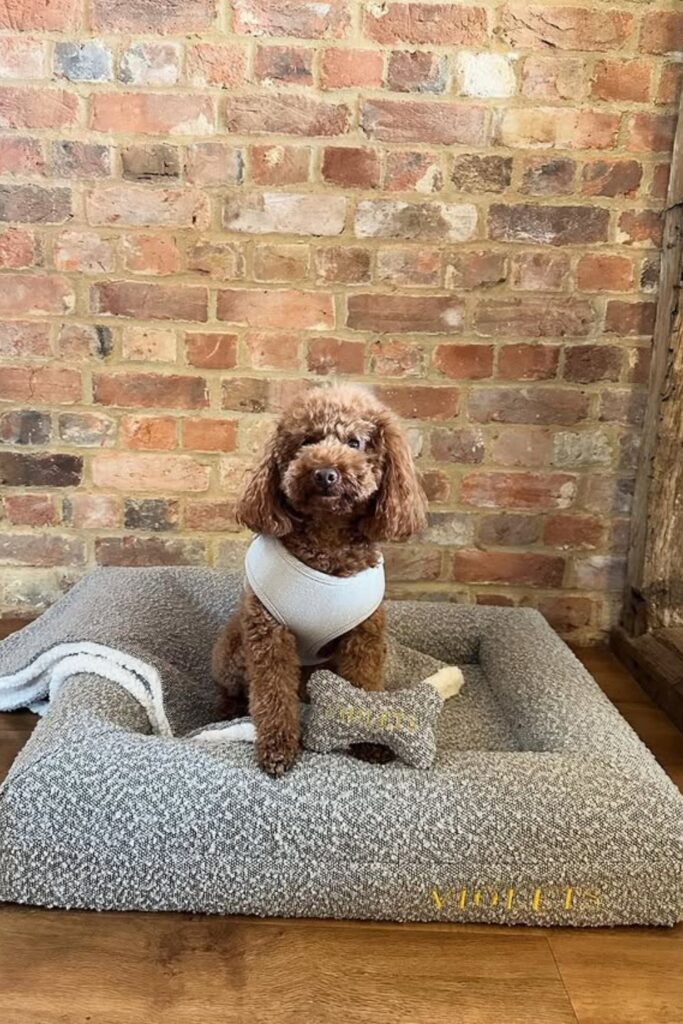
Soft, padded sides give small dogs a spot to lean on and curl up. They feel safe and secure. This style is best for calm dogs that love snug corners.
To make one, use a firm foam base. Add padded walls around the sides and cover it all with a fabric cover you can remove.
You can make it special by adding your dog’s name with embroidery.

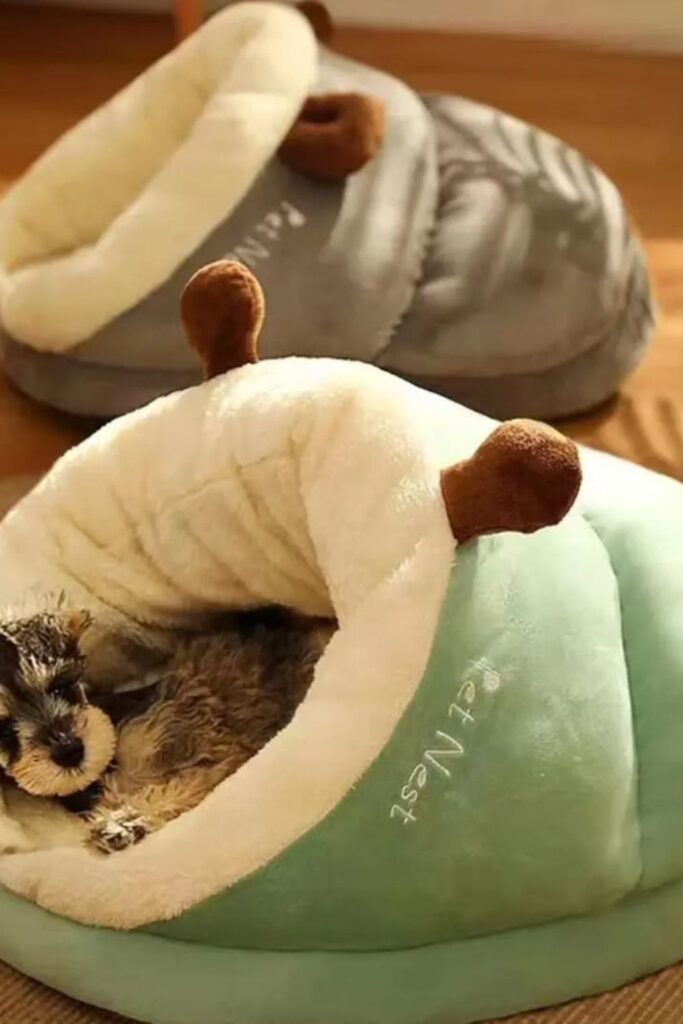
Cozy Cave
Some dogs love to burrow when they sleep. A cave-style bed is perfect for small dogs that like to hide and stay warm.
To make this, shape a soft foam base. Attach a hood made from fleece or plush fabric that can bend easily.
Make the entrance wide so heat does not get trapped, but it still feels like a cozy den.
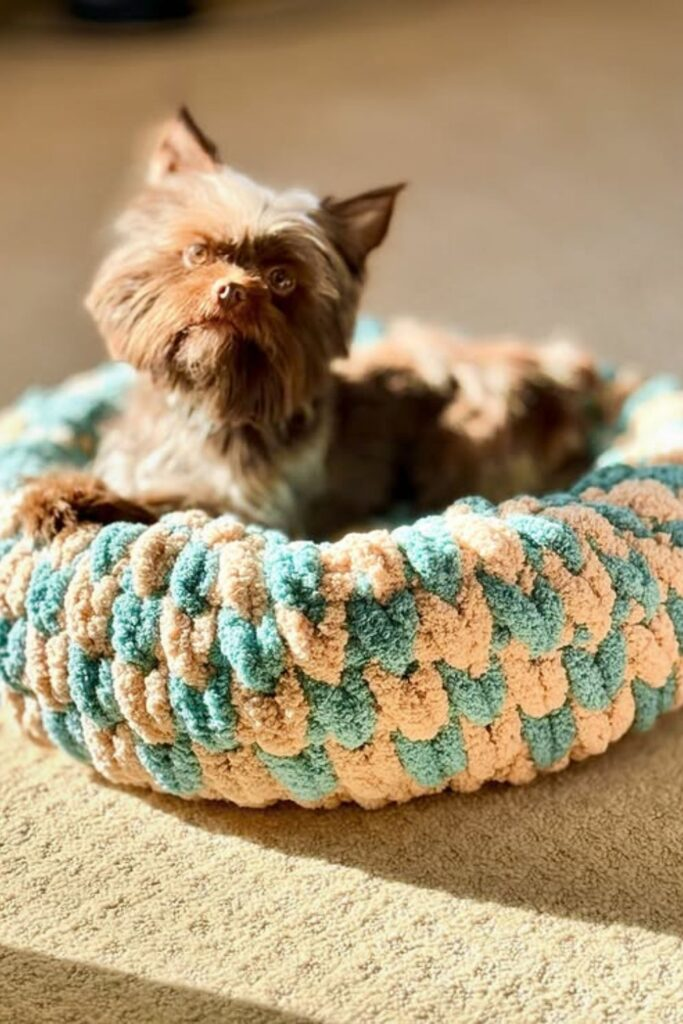
Chunky Knits
The soft texture is important for dogs that like to sink into their bed. Chunky knit beds work well for small dogs that curl up tight.
To get this look, use thick yarn or strips of old fleece. Braid them into a long rope and sew the rope into a circle.
Make the middle of the circle a little lower so the bed keeps its shape without extra stuffing.
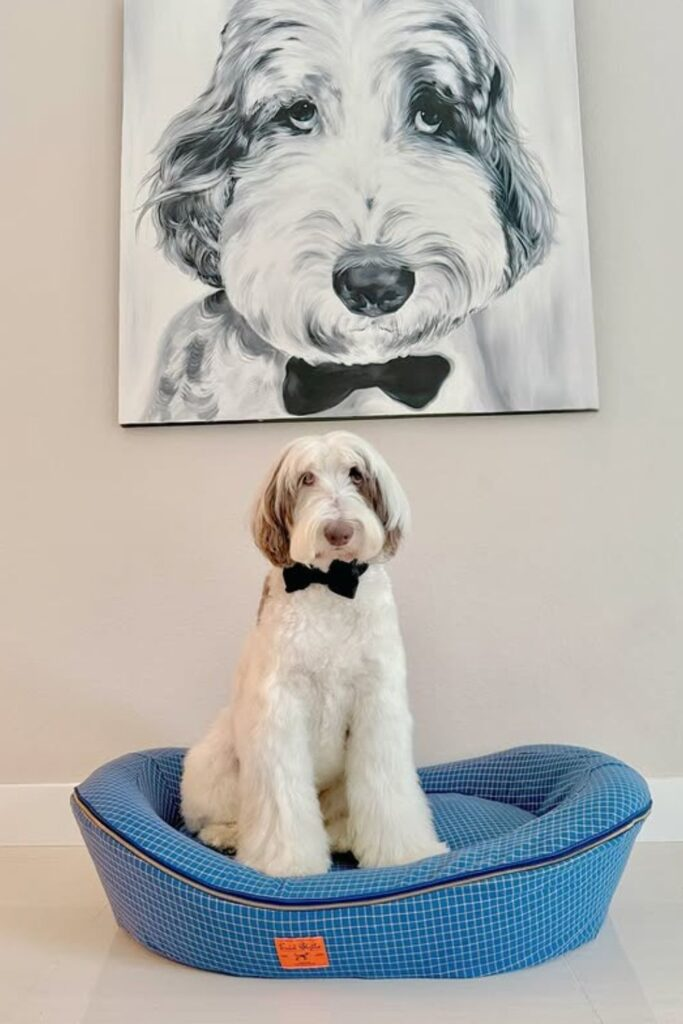
Clean Lines
Sharp edges and structured sides fit well in modern homes. You want the bed to blend in with your furniture.
This type is good for dogs that like to rest their heads on a firm edge. Make it from a rectangle of foam with sewn side bolsters.
Use a strong fabric like canvas to help the bed keep its neat shape for a long time.
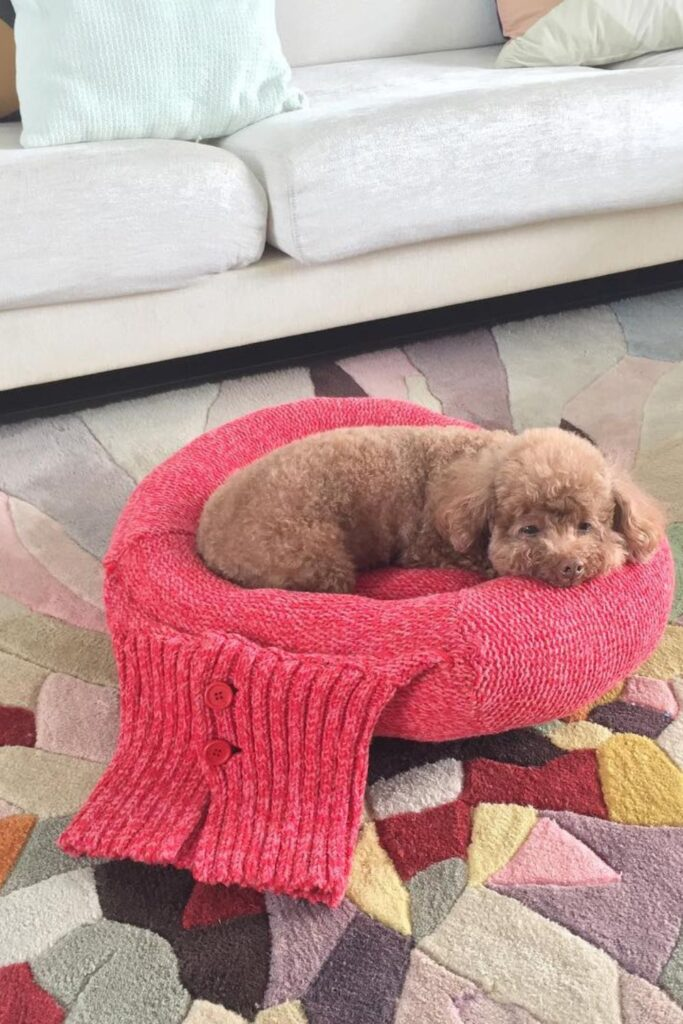
Sweater Upcycle
Old sweaters are already stretchy, warm, and soft. They are perfect for making a donut-style bed.
This design is great for little dogs that want to snuggle with raised edges. Place a firm round cushion in the center.
Pull a sweater over the cushion and stuff the sleeves evenly to make the outer ring. Sew or button it shut to hold the shape.
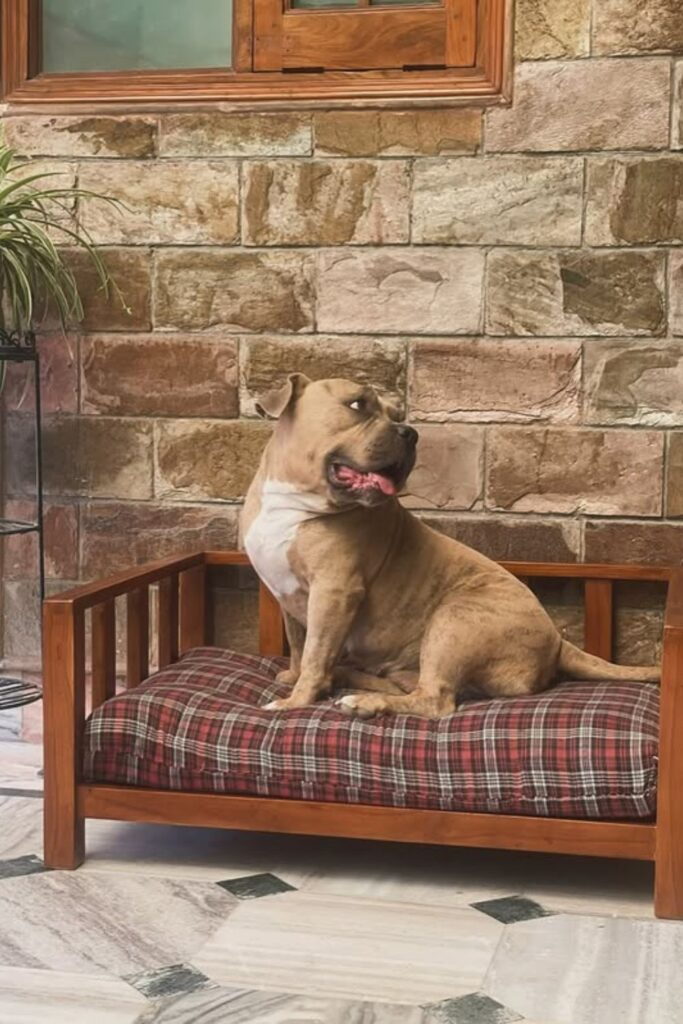
Wooden Frame
Raised sides and a solid base are good for heavier dogs that need real support. This works well indoors or on a covered patio.
Make a simple frame from wood boards. Keep it low to the ground so your dog can get in easily.
Then, add a thick cushion or mattress that fits inside. You can change the cushion covers to keep it clean without rebuilding.
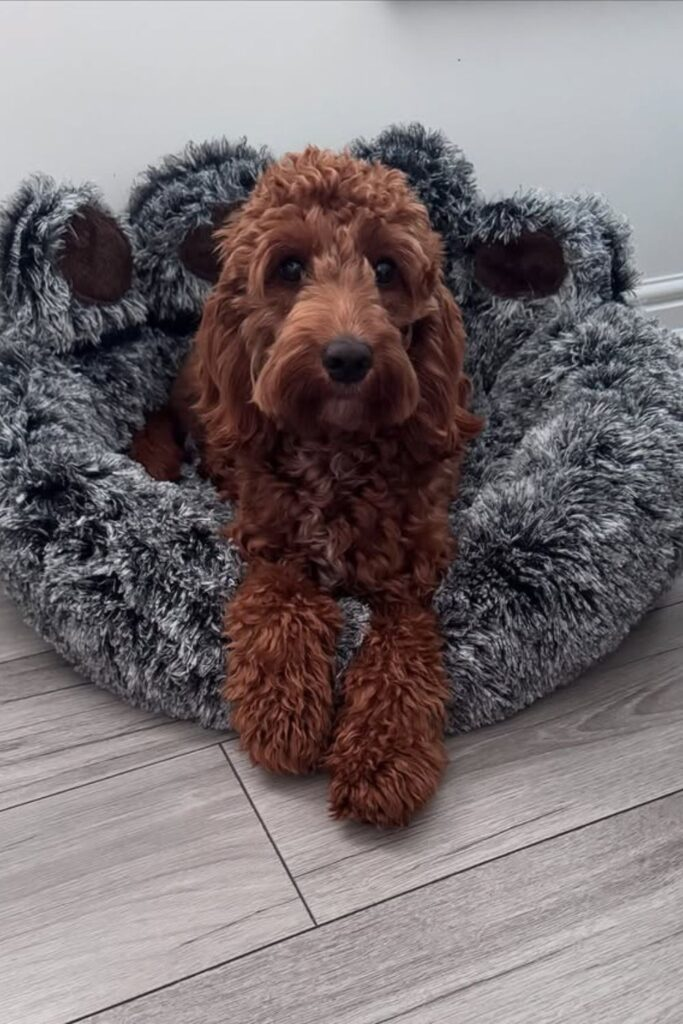
Plush Nest
Dogs that press into soft edges settle faster in deep, fluffy beds. Very thick fake fur is the best choice here.
It keeps your dog warm and gives comforting pressure. Make the shape by putting a padded ring around a center cushion.
Keep the middle part a little sunken. This helps dogs that feel anxious or have trouble sleeping.
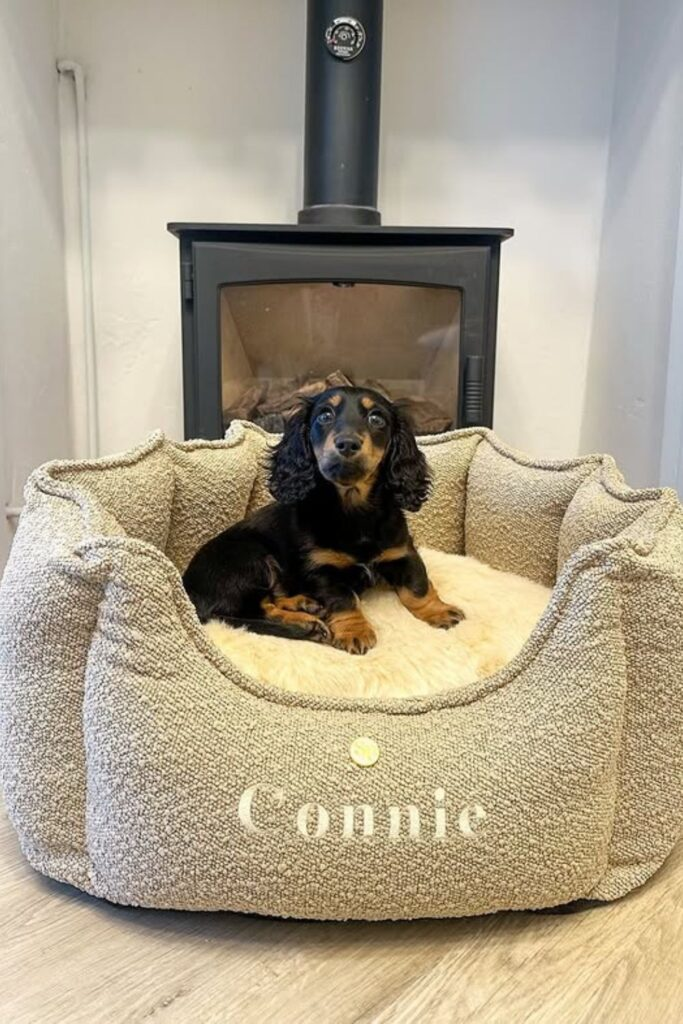
Warm Corner
Many dogs look for warmth when the floor is cold. A deep-sided bed placed near a heater fixes that problem.
The thick woven material keeps heat in without getting too hot. The high walls block cold drafts.
Make it with a firm foam bottom, tall padded sides, and a soft cushion inside. You can embroider a name to make it special.
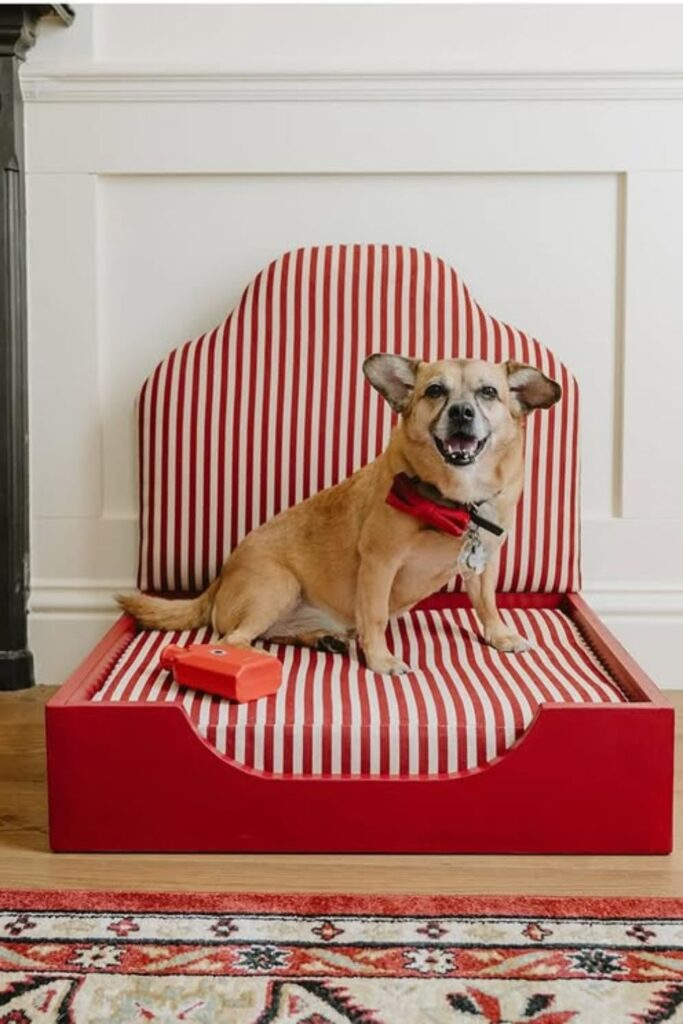
Statement Piece
Some beds can also act as furniture. This is great for homes where style is as important as comfort.
A high-backed frame is good for small dogs that like to sit up and look around. Build a shallow wooden base and add a padded back panel.
Cover everything with strong upholstery fabric. The cushion can be removed for easy cleaning.
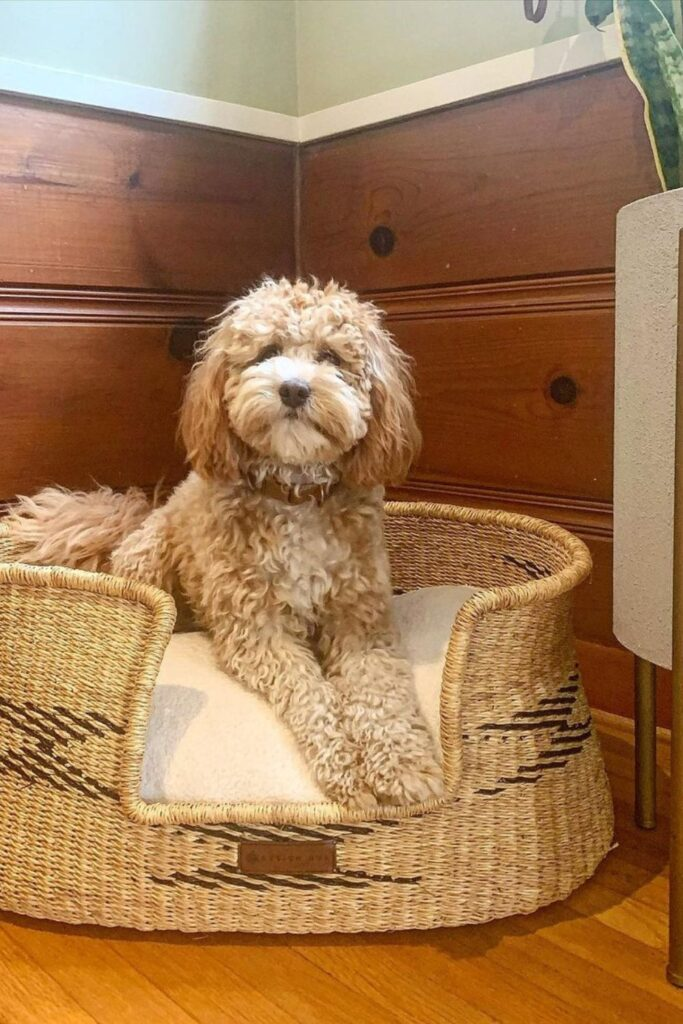
Woven Basket
Natural textures help a dog bed blend into your living space. Wicker or rattan frames are good for dogs that do not chew.
Put a fitted cushion or foam pad inside a sturdy basket. The stiff edges help the bed keep its shape.
You can take the cushion out to wash it, which makes cleaning simple.
Soft Curves
Clean shapes and low profiles suit dogs that sprawl out instead of curling up. This style works in open rooms.
Cut layered foam into a curved shape. Wrap it in a textured fabric like fleece.
The low height makes it easy for smaller or older dogs to get on and off.

Flat Base
Some dogs do not want walls or fluff around them. They just want a solid, flat place to lie down.
A mattress-style bed is best for dogs that move around a lot in their sleep. Cut dense foam to size.
Wrap it in a strong, removable cover. A flat surface helps prevent pressure points and helps senior dogs stand up.
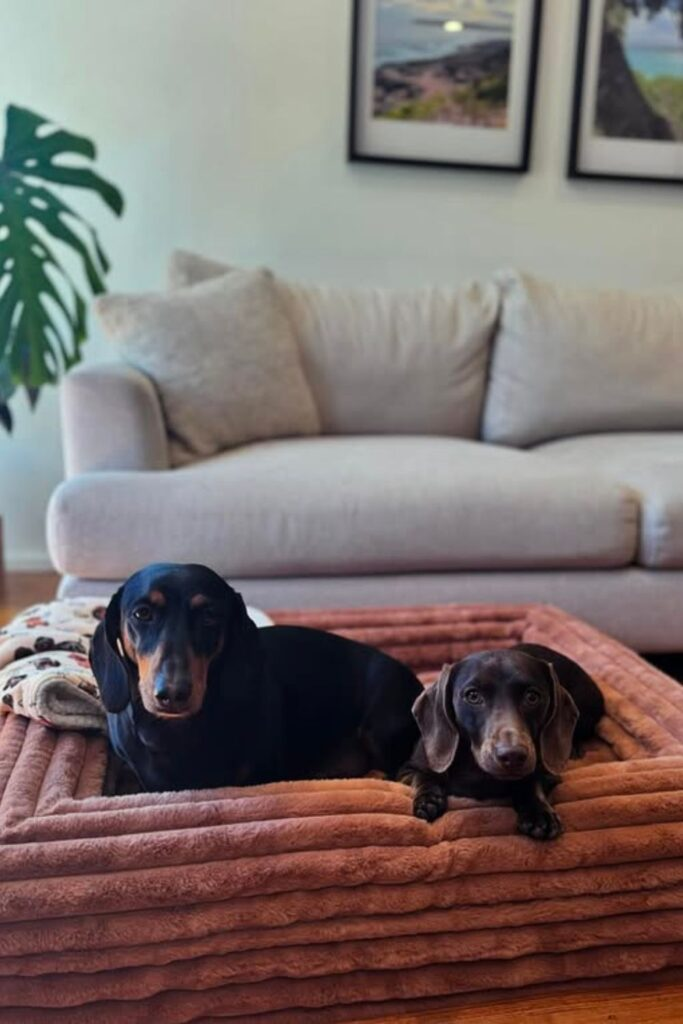
Family Spot
Dogs that sleep close together or near people need a wide, low bed. This is perfect for busy living areas.
To make one, stack layers of foam or fold blankets to create a big base. Cover it with a strong fabric.
The extra width is important here, especially for families with more than one dog.
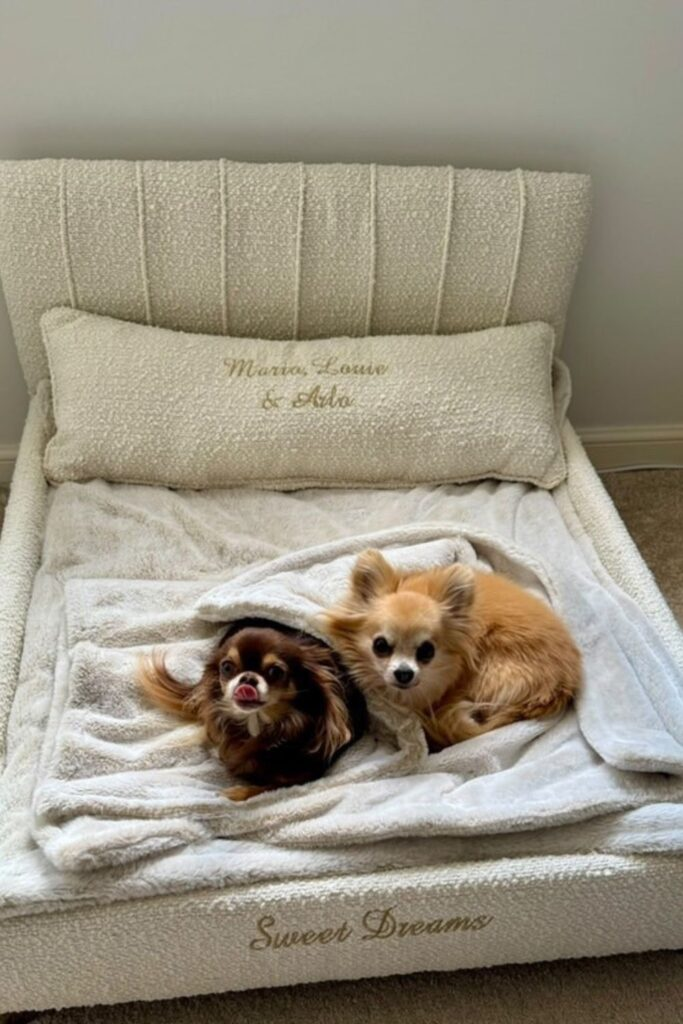
Bed Frame
Dogs that use their bed like a couch do better with a headboard-style design. A raised back gives support for leaning.
Attach a padded back panel to a low foam base. Then, pile soft blankets on top.
The open front makes it easy to get in, and the frame keeps everything tidy.
Curved Lounge
Dogs that love to stretch out enjoy furniture-style beds with open sides. A curved wooden base lifts the cushion slightly.
You can make this by bending plywood or using pre-cut curved panels. Then, place a thick cushion on top.
It works best in calm areas where the bed is part of the room’s decor.

Crate Fit
Beds that slide around in a crate do not work well. A mattress that fits snugly solves this problem.
Cut thick foam to fit the bottom of the crate perfectly. Put it inside a tight, zippered cover.
Thin, firm cushioning works better here because crates are already enclosed.

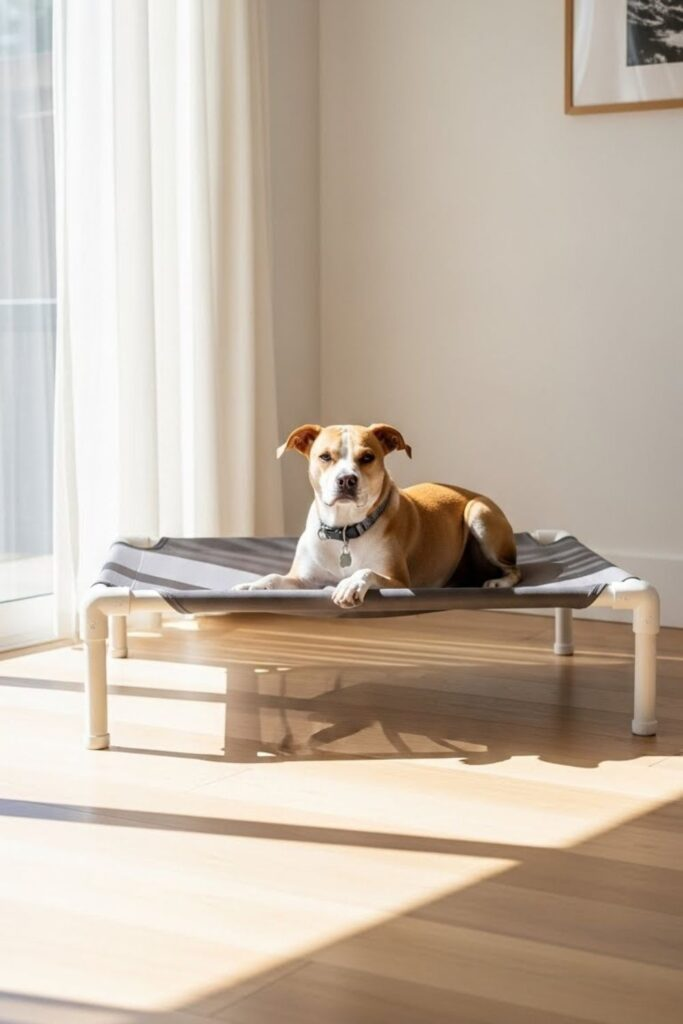
Elevated Airflow
Dogs that get hot struggle on padded beds. Raised beds let air move underneath to cool them down.
Use PVC pipes or a low wooden frame to make one. Hang strong fabric over the top like a sling.
Keep the fabric tight so it does not sag. This supports joints without trapping heat.
Outdoor Tough
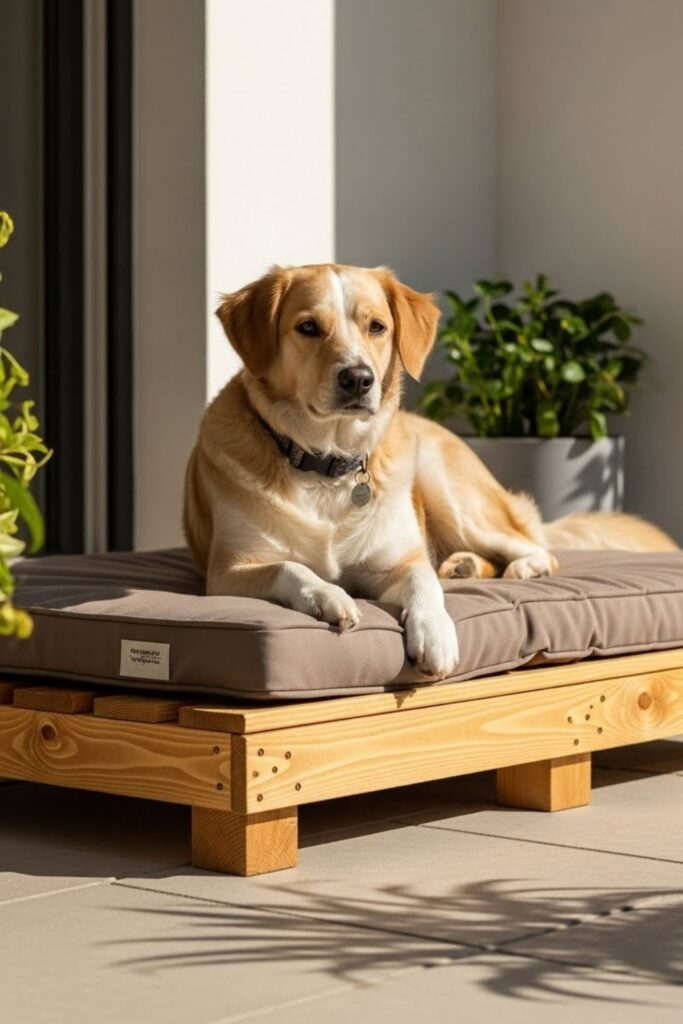
Beds for the patio or yard need materials that do not soak up water or rot. A simple pallet base works well.
Smooth the wood and seal it. Then, add a cushion made with quick-dry foam and outdoor fabric.
Keep the height low so dogs can get on and off without trouble.
Cooling Layer
Summer naps can be too hot on thick beds. A cooling-layer setup keeps your dog comfortable.
Start with a flat foam base. Place a removable gel or cooling pad on top.
You can change the top layer with the seasons, so you do not need a whole new bed.

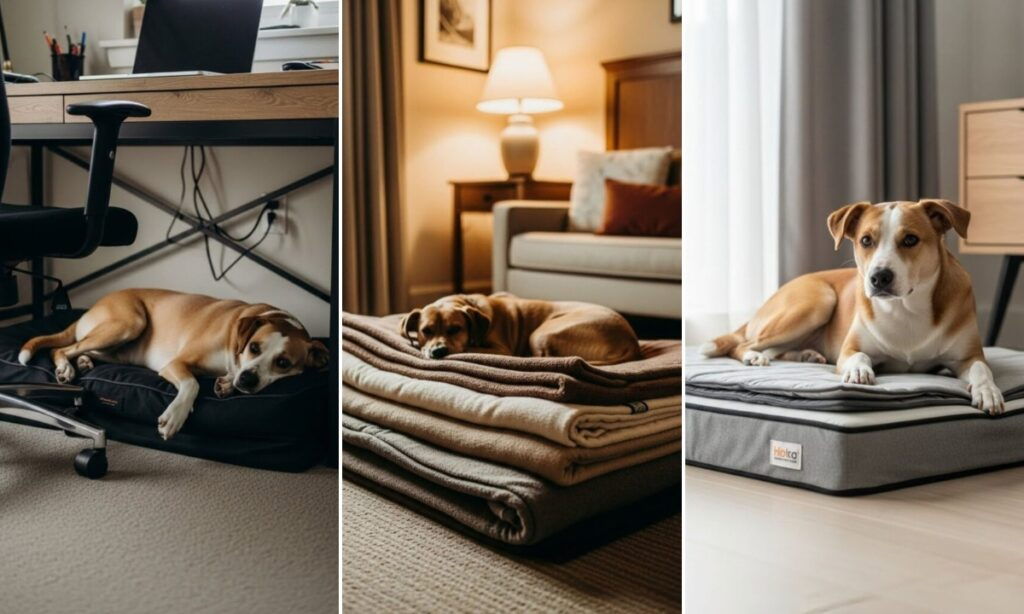
Under Desk
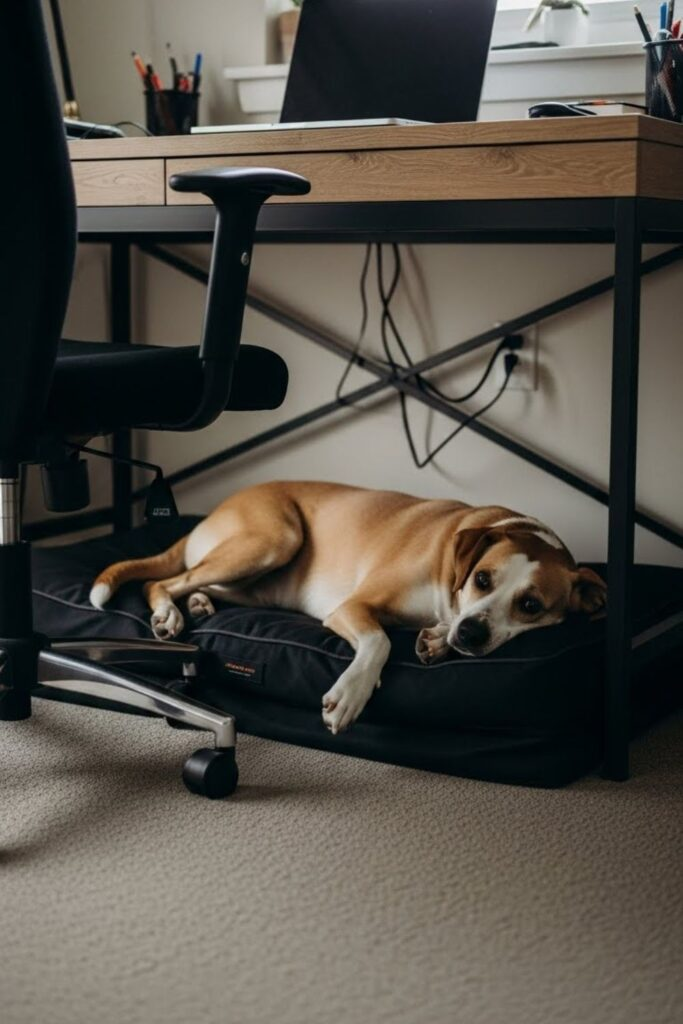
Some dogs will not relax unless they are near you. A slim bed that slides under your desk solves this.
Use foam that is not too thick. Wrap it in a dark, strong fabric that hides fur.
Travel Ready
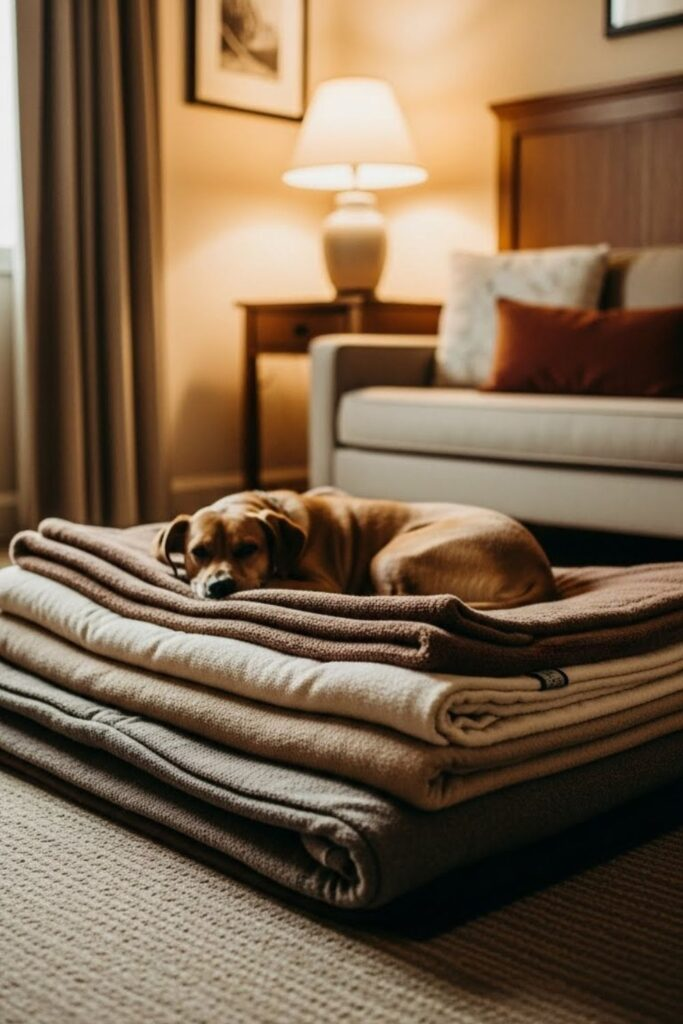
You need beds that pack up fast for hotels and road trips. Foldable designs made from layered blankets work best.
Sew blankets into sections so you can roll the bed up. Unroll it to give your dog a familiar place to sleep.
When away from home, the feel of the bed is more important than how thick it is.
FAQs
Can I make a DIY dog bed if my dog chews everything?
Yes, but you need to change how you make it. Avoid fluffy fabrics, loose stuffing, and delicate seams.
Try a flat foam bed, a raised sling bed, or a mattress made for a crate. These last longer.
Always watch your dog the first few times it uses the new bed before leaving it alone.
How long does a DIY dog bed usually last?
It depends on your dog, not the bed. Calm dogs can use the same DIY bed for years.
Dogs that chew or dig will shorten that time. The good part about DIY is that you can fix it.
You can just replace the foam or the cover instead of buying a brand new bed.