26 DIY Dog House Ideas For 2026
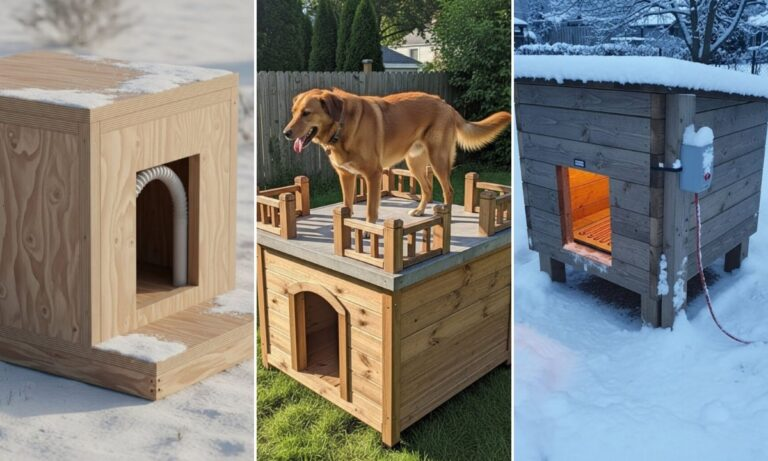
A comfortable dog house is about how your dog feels inside it. If the floor sits right on the ground, cold and damp air can get in. Fix this by raising the floor up. Without good airflow, heat builds up fast in the summer.
What Makes a Dog House Truly Comfortable?
Add small vents to let air move through. Size is also very important. A house that is too big won’t stay warm. A house that is too small won’t be used.
When you balance the size, ventilation, a raised floor, and good shelter, the comfort takes care of itself.

What Material to Use for a Dog House?
The material you choose affects how long the house lasts and how cozy it is. Wood is often the best choice. It does not get as hot in summer or as cold in winter as other materials.
Thin plastic heats up quickly and can crack. Metal gets very hot in the sun. If you use wood, avoid untreated scraps that soak up water. Use sealed, exterior-grade plywood instead.
The right material keeps the inside dry, means fewer repairs, and lets your dog use the house all year long.
Seasonal Styling
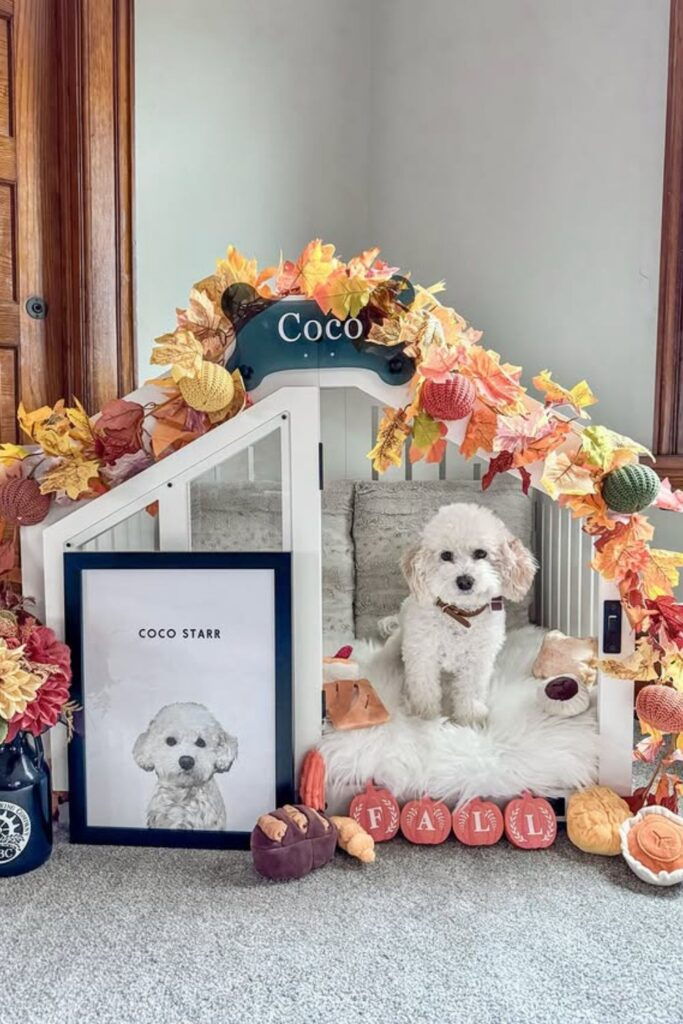
This idea works best inside your home. Start with a simple wooden dog house. Add a soft cushion, a sign with your dog’s name, and some light decorations on the roof.
Make sure you can easily remove these items for cleaning. This is a good fit for small dogs and for homes where you want the dog house to look like part of your decor.
Holiday Theme
This festive style is great for your yard. Turn a basic wooden house into a holiday attraction. Use candy-striped trim, fun window cutouts, and a pretend chimney.
Always use outdoor paint and seal the edges to keep rain out. Keep the inside simple and warm. The fun is all on the outside.

Modern Shelter
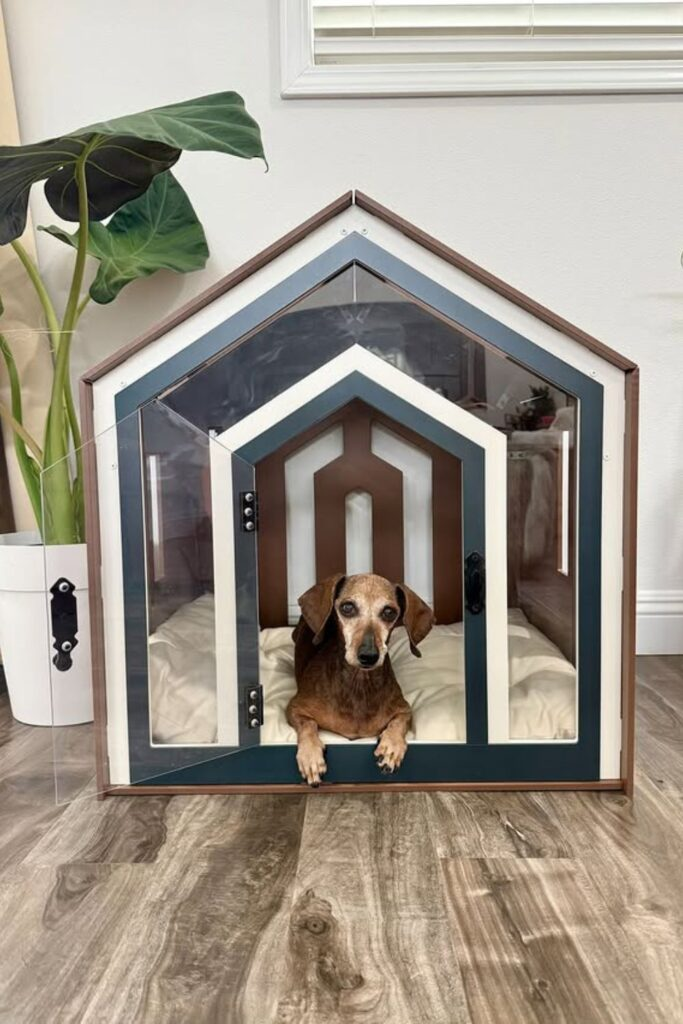
This style has clean lines and looks more like furniture. It often uses clear panels that let light in but keep drafts out. You can build it with plywood and acrylic sheets in a simple triangle shape.
Neutral colors help it blend with modern homes. A large cushion inside adds comfort without clutter.
Crate Upgrade
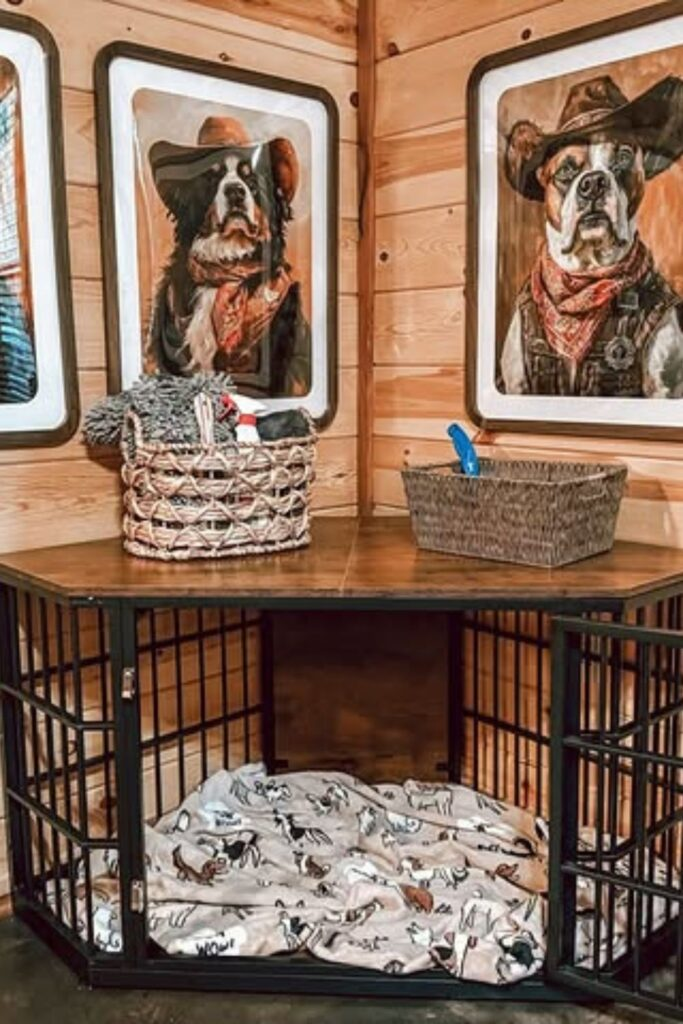
This solves the problem of an ugly wire crate in your living room. You build a wooden frame around a metal crate. The top of the frame becomes a useful table surface.
Use plywood and a solid wood top to build it. This works well indoors for dogs that are already comfortable in a crate.
Fabric Shelter
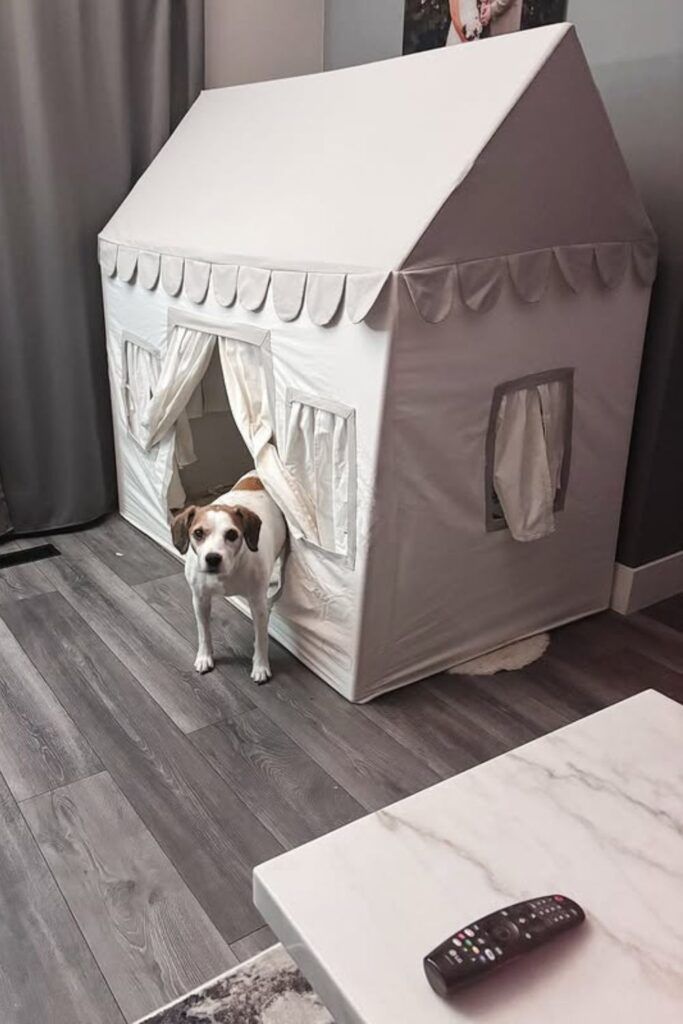
This is a soft, den-like space for indoor dogs. It uses a lightweight frame, like PVC pipes, covered with washable fabric panels. Curtains at the door give privacy but let air flow.
It’s simple, flexible, and perfect for apartments or rentals.
Furniture Crate
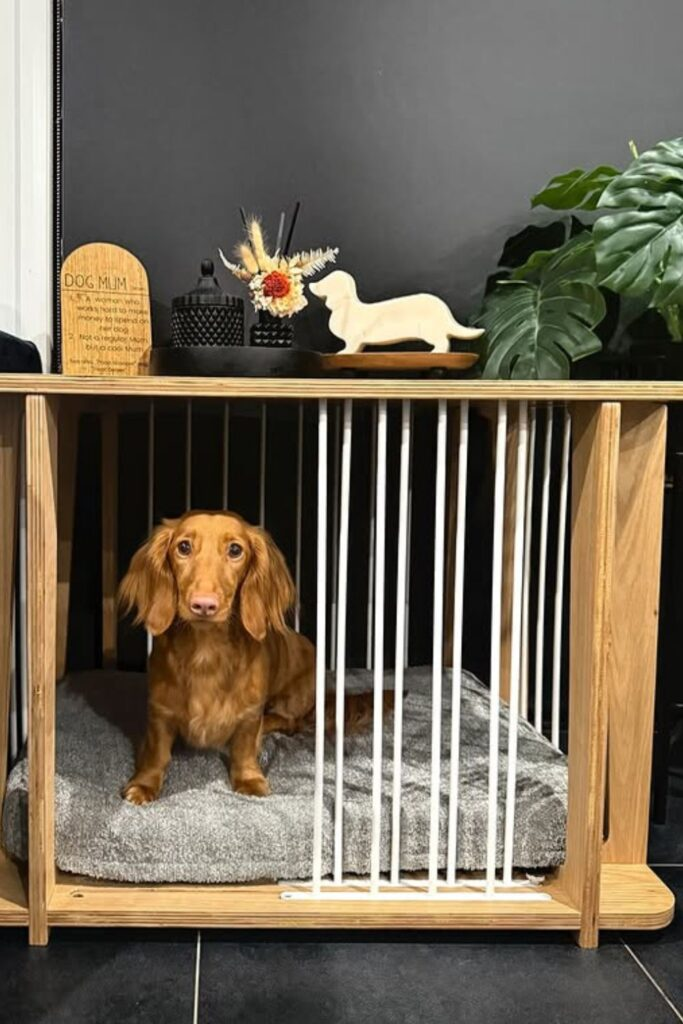
This design gives your dog a space that doesn’t look like pet gear. It’s a wooden frame with vertical bars for airflow, and it can work as a side table.
Use hardwood panels and a strong top that can hold decorations. It’s good for small dogs in shared living spaces.
Wicker Retreat
Wicker or rattan brings natural texture indoors. The woven material is breathable but still feels like a sheltered nest. Build it on a woven base or wrap cane around a light frame.
Add a big cushion for comfort. This is ideal for small dogs that live inside.

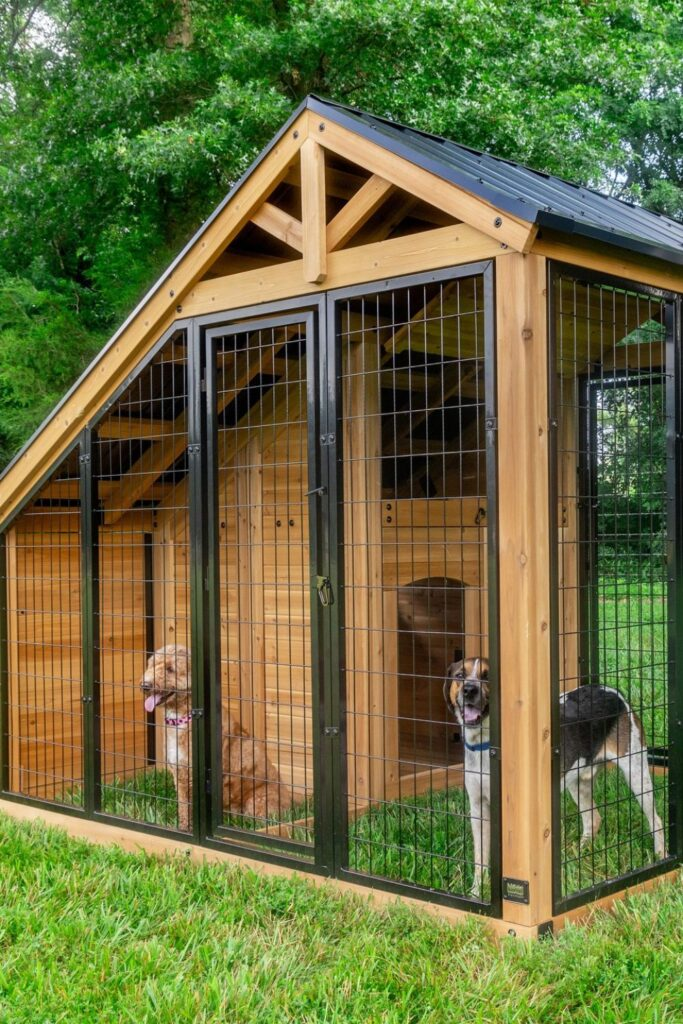
Outdoor Kennel
This combines a covered sleeping house with an open run. Your dog can move freely in a safe, enclosed yard space. Build it with pressure-treated wood, strong wire panels, and a slanted metal roof.
It’s perfect for big or active dogs that spend lots of time outside.
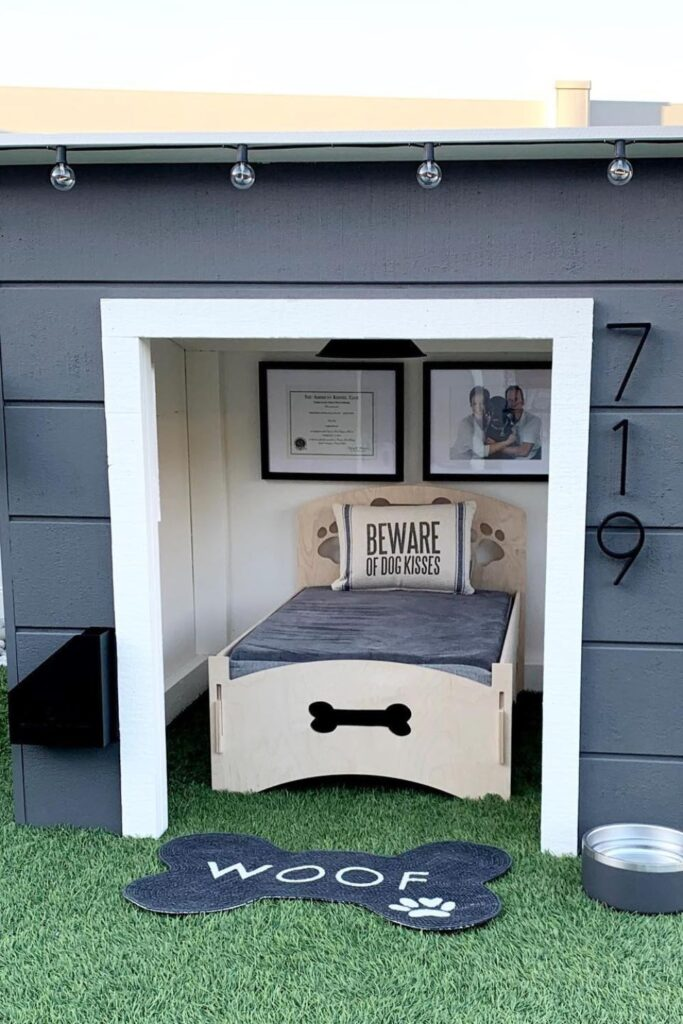
Backyard Bedroom
This outdoor house focuses on comfort. It has a raised floor, a deep entrance to block weather, and real bedding. Use weather-resistant wood and sealed seams.
A large roof overhang keeps rain out. It’s great for fenced yards where your dog spends peaceful days outside.
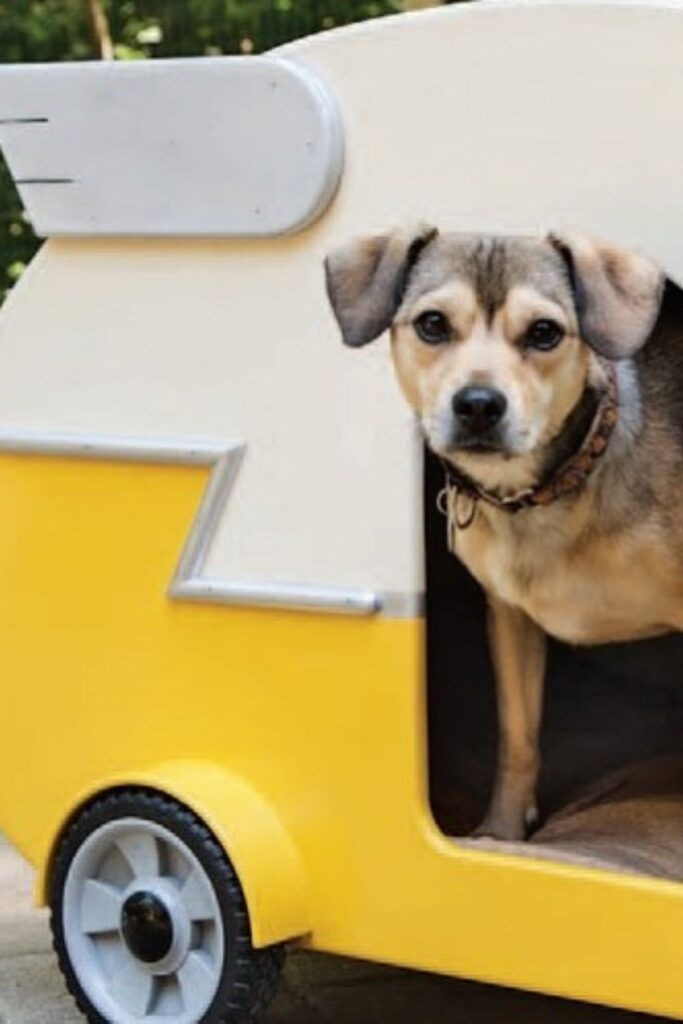
Mobile Shelter
The main advantage here is movement. Wheels let you easily roll the house into shade on hot days or under cover in bad weather. Build a light wooden shell and add lockable caster wheels.
This is good for patios or yards where you need flexibility. It suits medium-sized dogs.
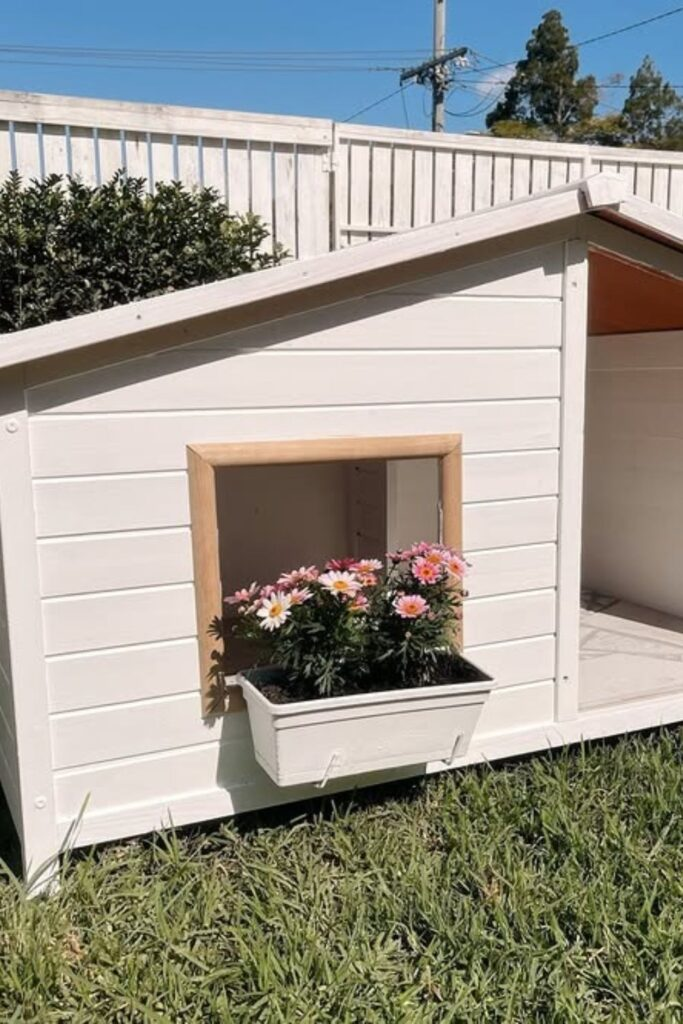
Porch Design
This house has a covered porch area next to the enclosed shelter. The porch gives shade and airflow on warm days. Use exterior-grade wood and a raised base to keep water out.
Dogs can move between the cozy inside and the breezy porch. It’s a good plan for backyards.
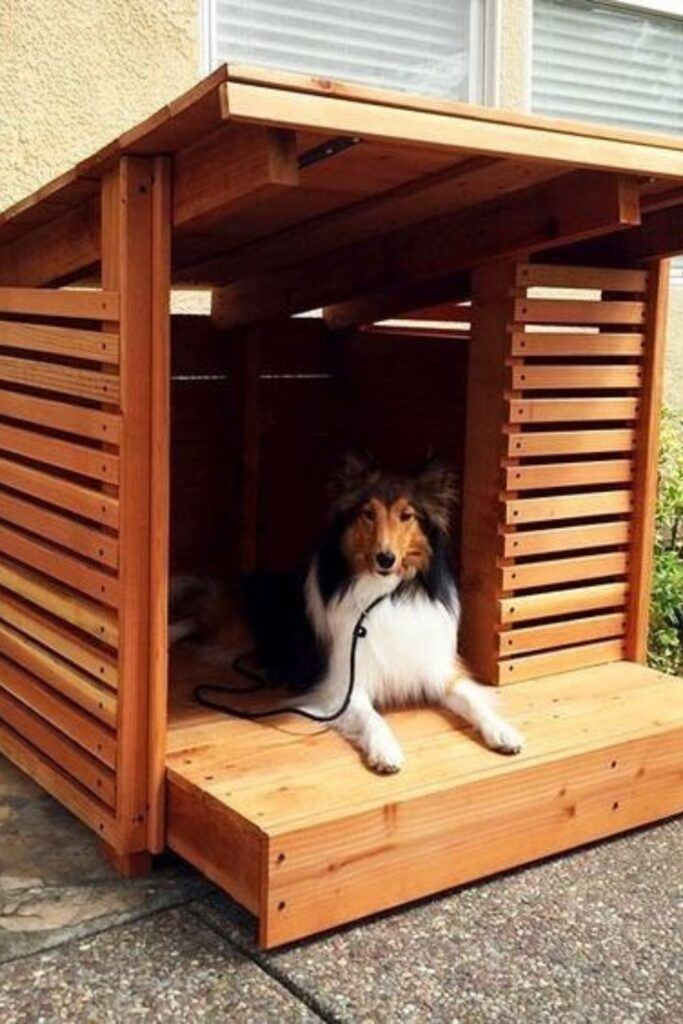
Slatted Shelter
This design focuses on maximum airflow. Spaced wooden slats block direct sun but let heat escape from all sides. It keeps your dog much cooler in summer heat.
Crate Corner
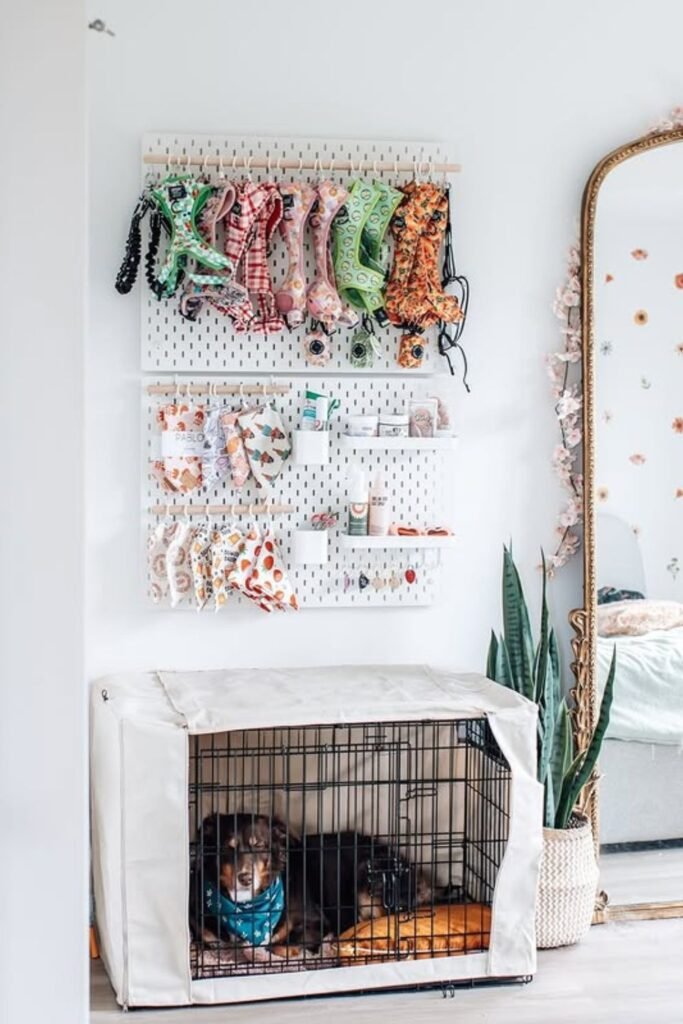
This idea combines storage with shelter. A wire crate gets a fitted fabric cover to make it cozy. You can use the space on top for organizing supplies with a pegboard.
It’s perfect for small homes where dog gear needs a neat spot.
Bed Frame
This is a house-shaped frame for your dog’s bed. The structure gives a feeling of a den, but the open front is inviting. You can build it with simple lumber and even add soft LED lights.
It’s for indoor dogs that like beds but feel safer with walls around them.

Entry Focus
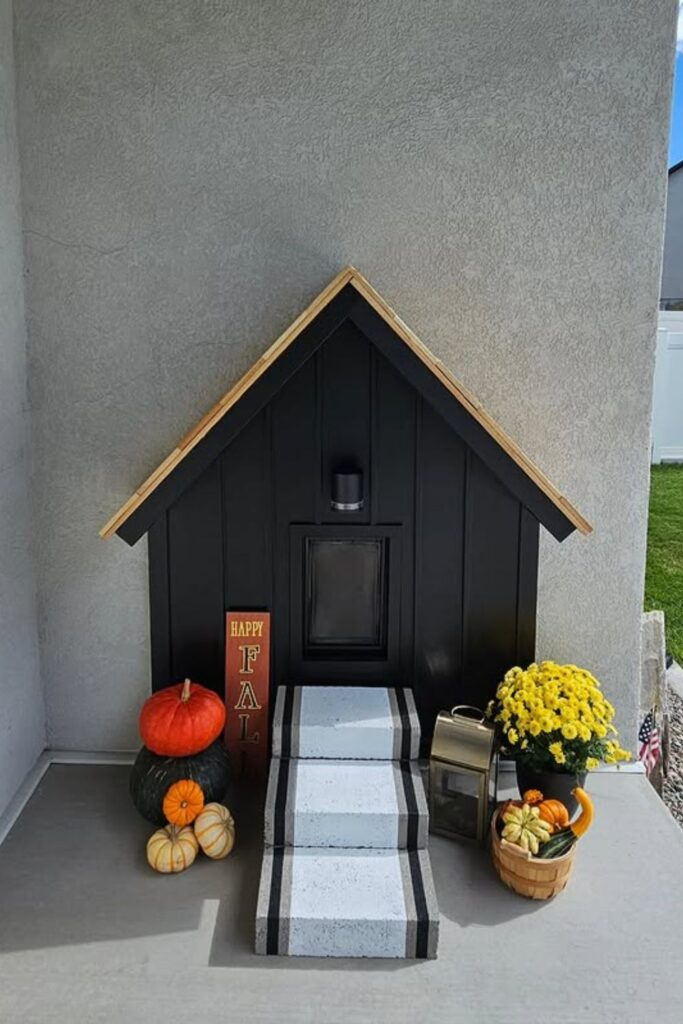
Placing a small, nice-looking dog house on your front porch makes it part of your home. It fits in tight spaces and looks planned, not forgotten. Use painted exterior panels and a steep roof.
Built-In Nook
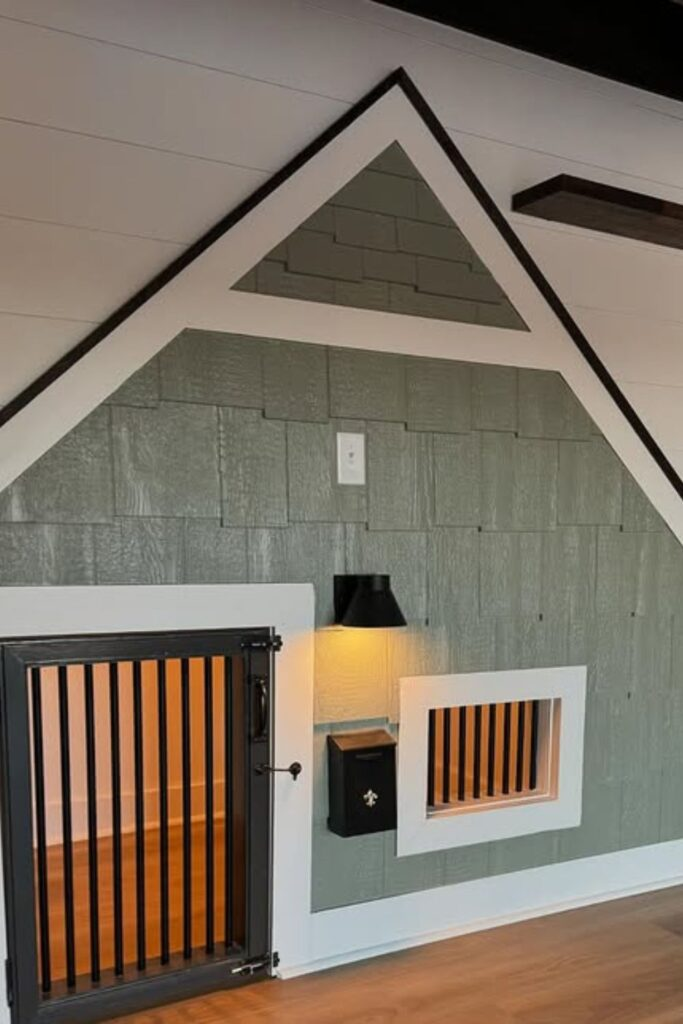
This uses the empty space under a staircase. You frame the opening into the wall to create a permanent, quiet retreat. Add a gate, durable flooring, and comfortable bedding.
It’s great for dogs that like to nap in quiet, low-traffic spots indoors.
Smart Access
This design makes cleaning very easy. It has a wide front opening and a roof that lifts up on hinges. You can reach every corner without struggling.
Build it with a simple frame and roof panels held by support arms. It’s excellent for outdoor houses and bigger dogs.
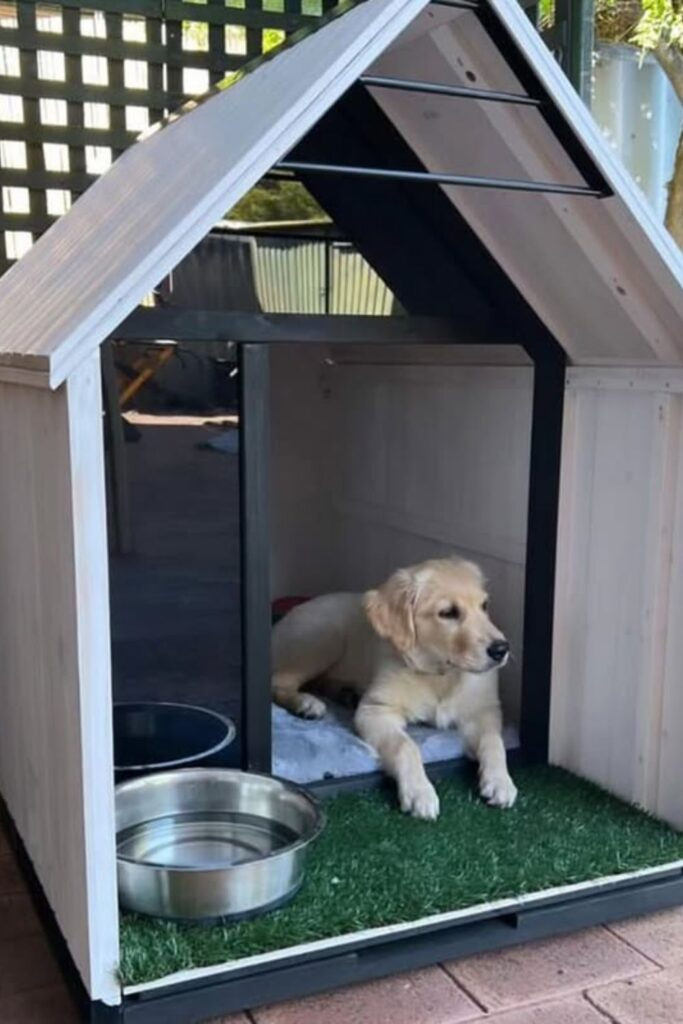
Indoor Cottage
This is a dog house built right into your wall. A big opening makes it welcoming, and the solid walls make dogs feel safe. Add paneling for texture and soft lighting.
It works for indoor dogs that like calm, cozy spots.

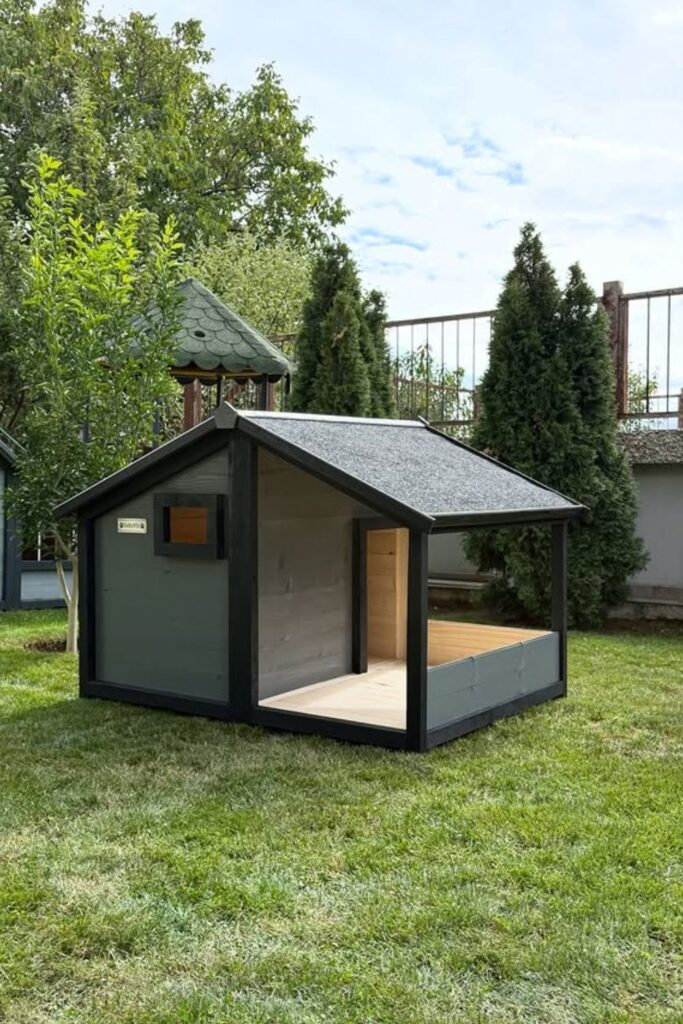
Modern Porch
This style balances shelter and openness. One part is a solid, enclosed section for protection. The other part is an extended porch for shade and air.
Use outdoor panels and a raised deck floor. It’s good for medium to large dogs in backyards.
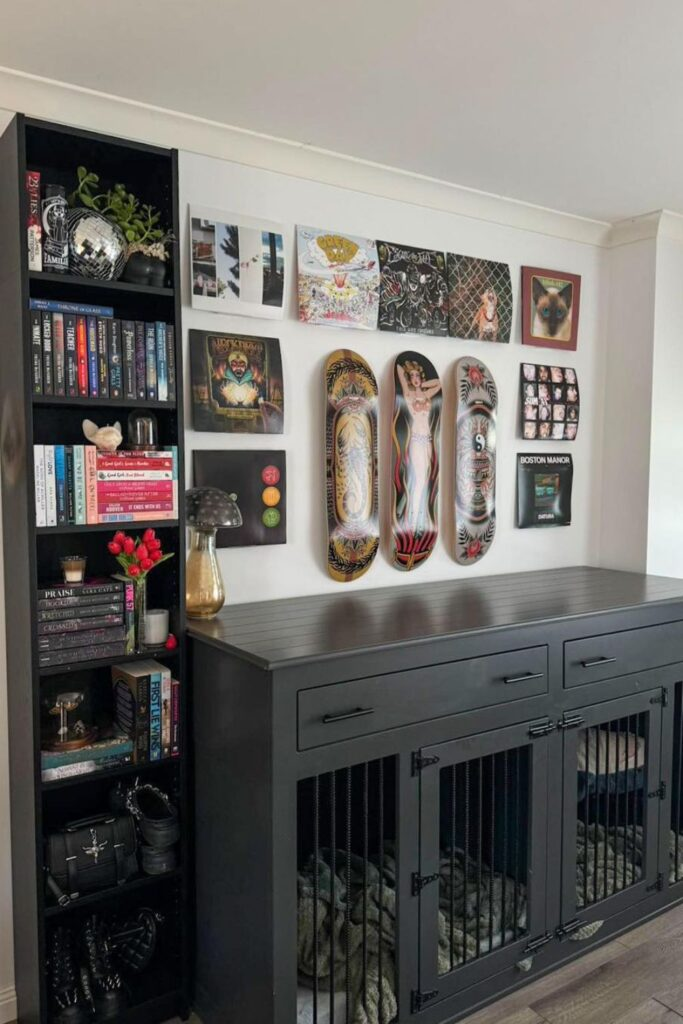
Cabinet Crate
This setup hides multiple crates inside a long cabinet. The top is real storage space, and there are shelves on the side. Use plywood and strong doors.
It works in living rooms where pets need a place but shouldn’t take over the room.
Pallet Build
This is a budget-friendly option. You take apart wooden pallets, sand the boards smooth, and seal them well. Then you build the house, making sure all gaps are tight.
It’s a sturdy, affordable shelter for backyards.

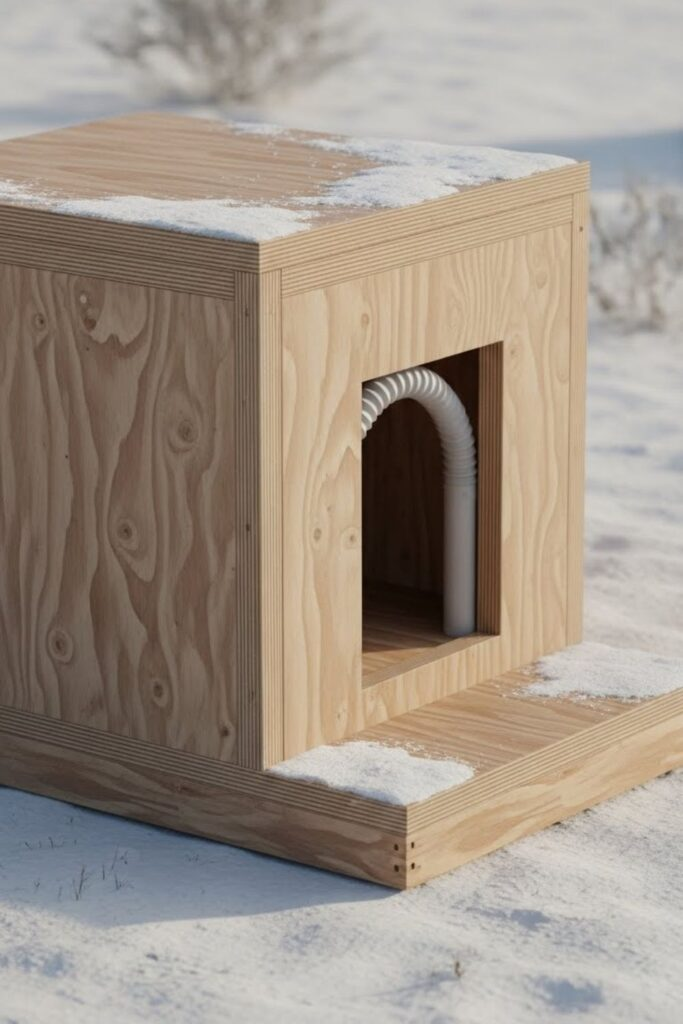
Insulated Box
Cold weather calls for a simple, compact box. This shape holds heat better than designs with lots of corners. Put foam board insulation between plywood walls.
A smaller door and a movable flap keep drafts out. It’s good for places with cold winters.
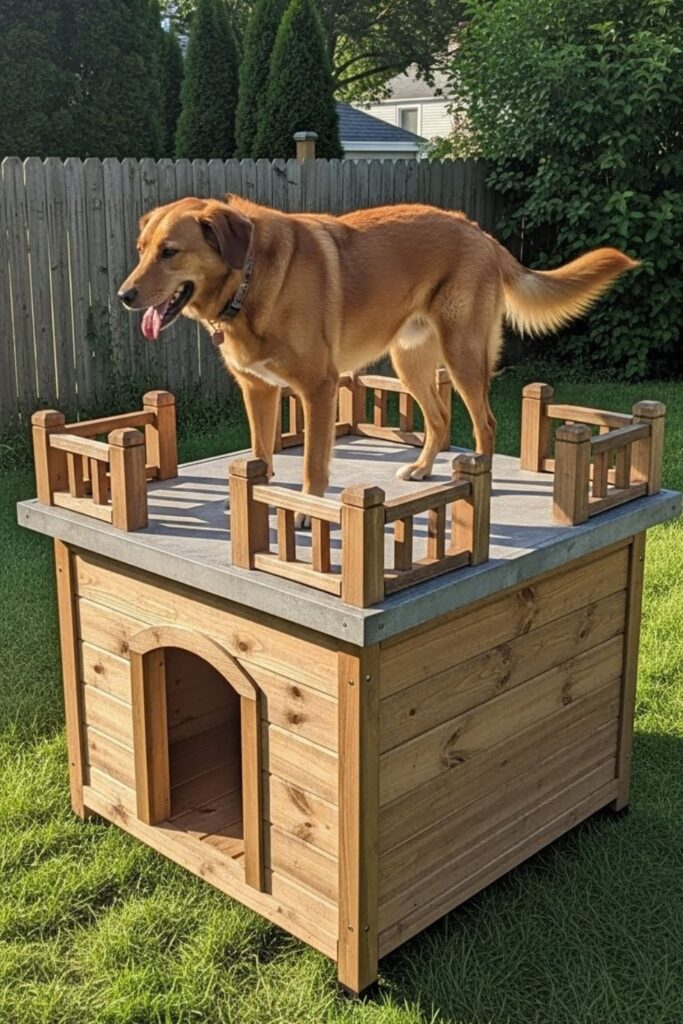
Rooftop Deck
Dogs often like to be up high. This house has a flat, strong roof that acts as a lookout deck, with the sheltered area below. Add safety rails and seal everything well.
It’s perfect for dogs that enjoy a view in a fenced yard.
Fold Flat
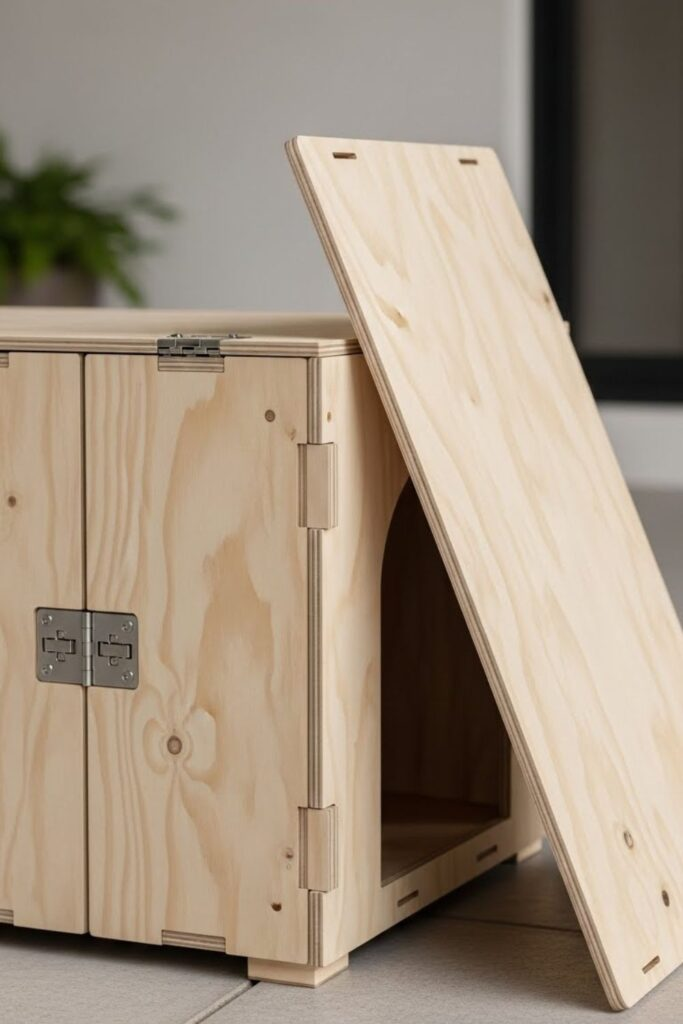
This house is for when space is limited. Hinged panels let the whole structure fold flat for easy storage. Build it with lightweight plywood and piano hinges.
It’s great for renters or temporary backyard setups.
Earth Shelter
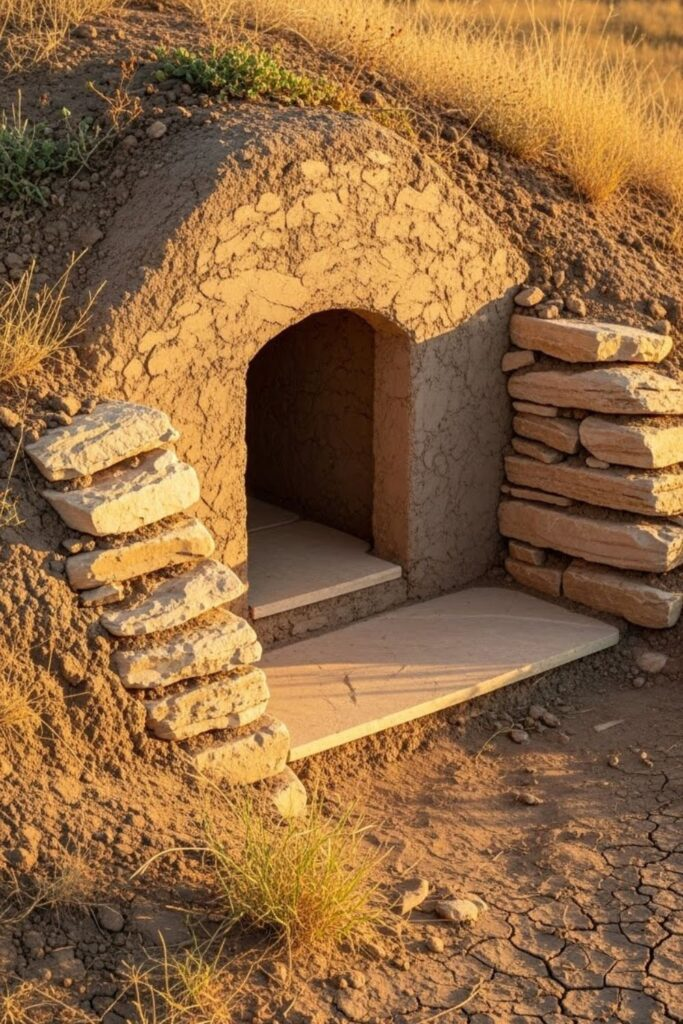
This uses nature to stay cool. Part of the base is set into the ground, and thick walls help control temperature. Keep the inside floor raised to avoid moisture.
It works best in hot, dry climates.
Heated Den
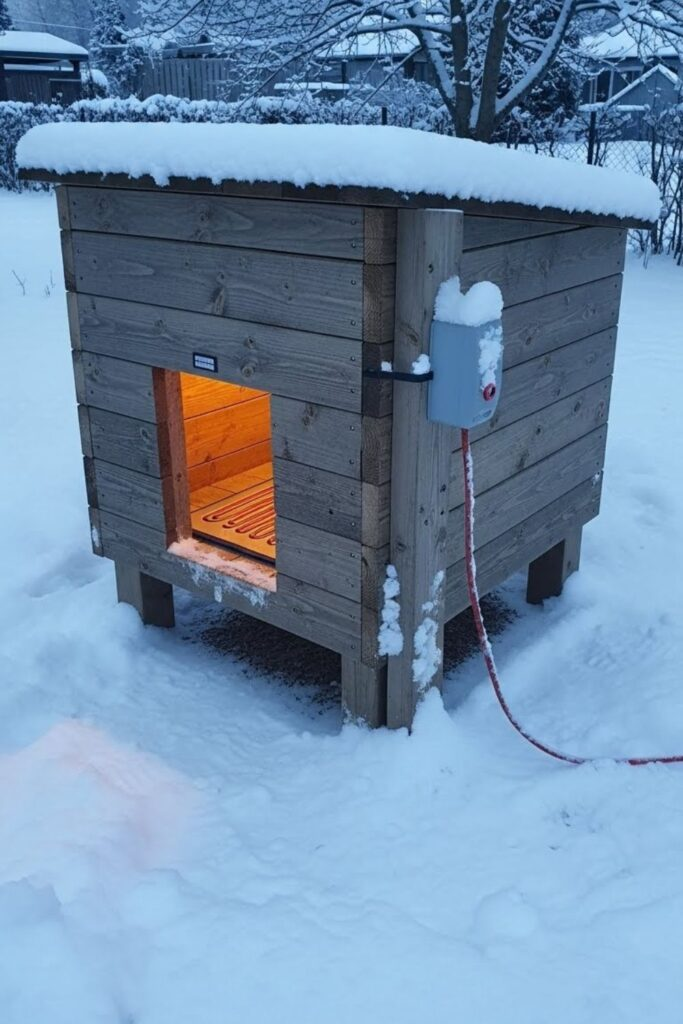
For freezing winters, insulation alone isn’t enough. This is a tightly sealed wooden shell with a safe, low-voltage heated mat inside. Keep wires in covered conduits and raise the floor above snow level.
It’s for outdoor dogs in areas with harsh winters.
FAQs
How Do You Choose the Right Dog House Before Building One?
Think about your dog first, not just the design. Make sure the size is right for your dog to stand, turn, and lie down comfortably. Consider your local weather when picking materials and planning ventilation.
Also think about where it will go—indoors, on a porch, or in the yard—as each spot has different needs. Once you know these basics, choosing the right build is simple.
What Are the Most Common DIY Dog House Mistakes People Make?
The biggest mistakes come from guessing instead of planning. Building too big makes the house harder to keep warm. Not adding vents makes it too hot in summer.
Putting the house directly on the ground lets in moisture and causes rot. Using the wrong materials, like weak plastic or untreated wood, makes the house fall apart quickly.