22 DIY Dog Toys Ideas For 2026
What Materials Are Safe to Use for Homemade Dog Toys?
Choosing the wrong materials can make even a simple toy unsafe. Think about how your dog plays first. For strong chewers, you need tough and reliable materials.
Good choices are thick cotton, fleece, or old denim. These materials do not splinter and are easy to watch for wear.
How to Make Dog Toys More Interesting?
A toy is no good if your dog ignores it. Dogs care about smell, challenge, and new things more than looks.
You can add a food smell to get your dog interested. Hiding treats or making your dog work for them keeps focus longer.
Switch toys out instead of leaving them out all the time. This makes each toy feel new again. Match the toy to your dog’s energy level for the best results.

Weave poles are great for burning both physical and mental energy. They turn fun into a brain exercise.
This is perfect for active dogs who get bored indoors. You can set them up using PVC pipes or garden stakes placed evenly apart.
Start slow, use treats to guide your dog, and speed up over time. Keep sessions short to prevent frustration.
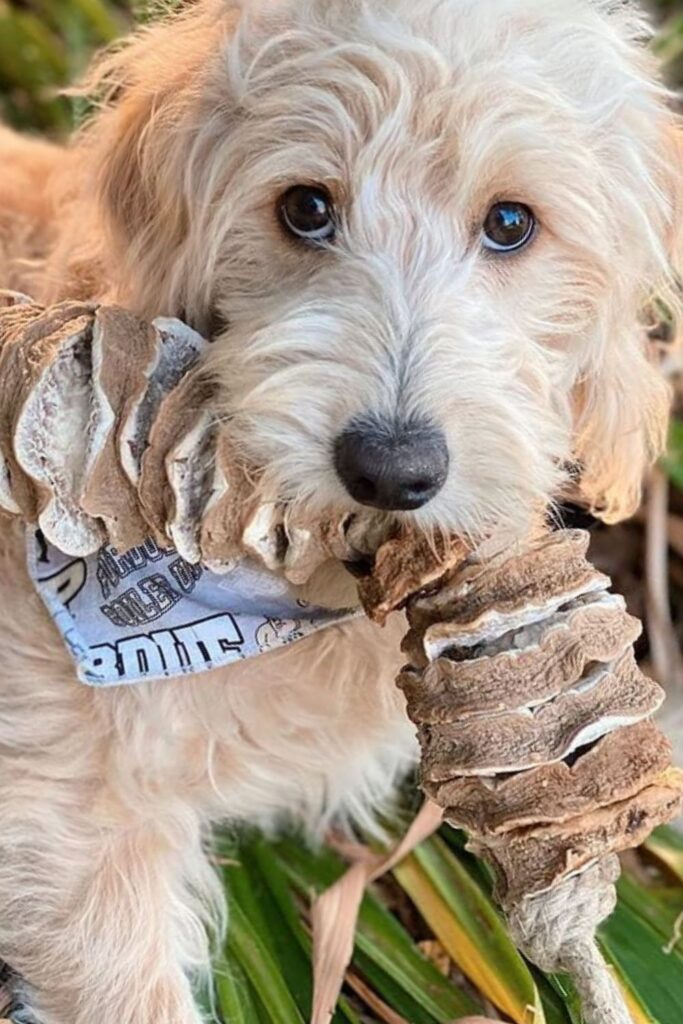
Wrapped Stick
Wrapping a strong stick with strips of old fabric or fleece makes chewing safer. It stops splinters and gives teeth something to grip.
The tight layers help slow down damage. Use this toy outside with supervision, especially for dogs who love sticks but break them too fast.
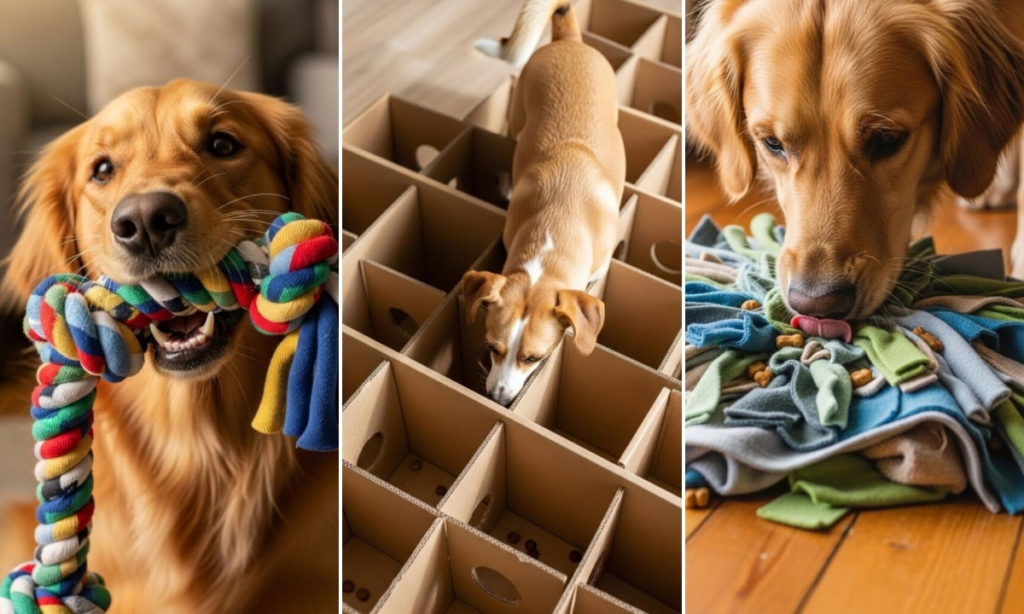
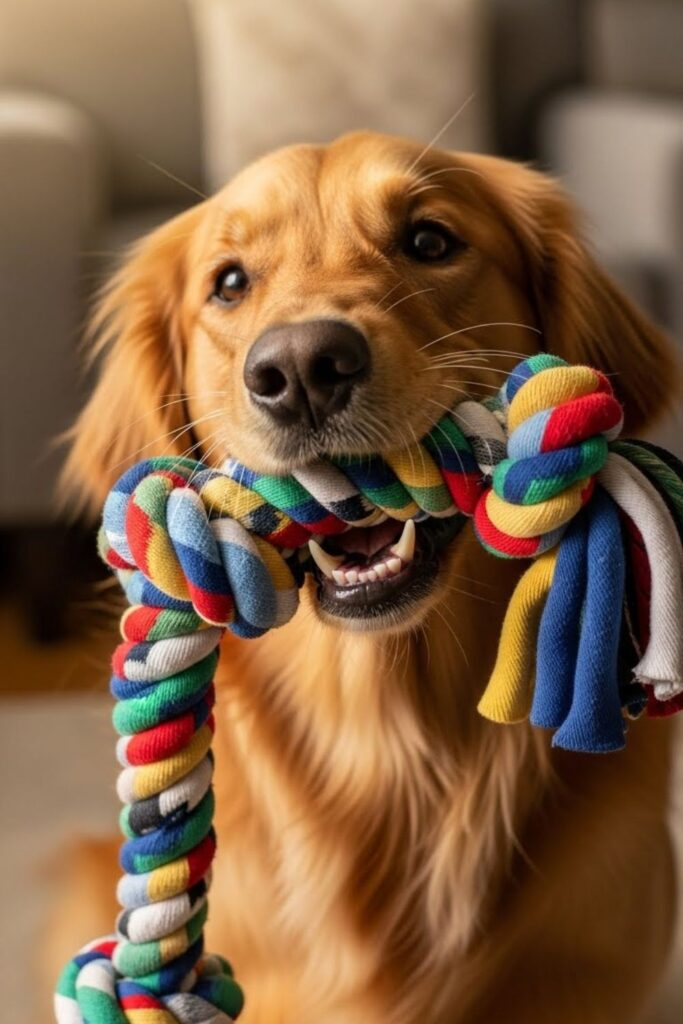
Thick rope with big knots is perfect for tug games. It gives your dog something solid to hold and keeps teeth busy.
Cotton rope is better than synthetic because it wears down more slowly. This is best for interactive play, not for leaving your dog alone to chew.
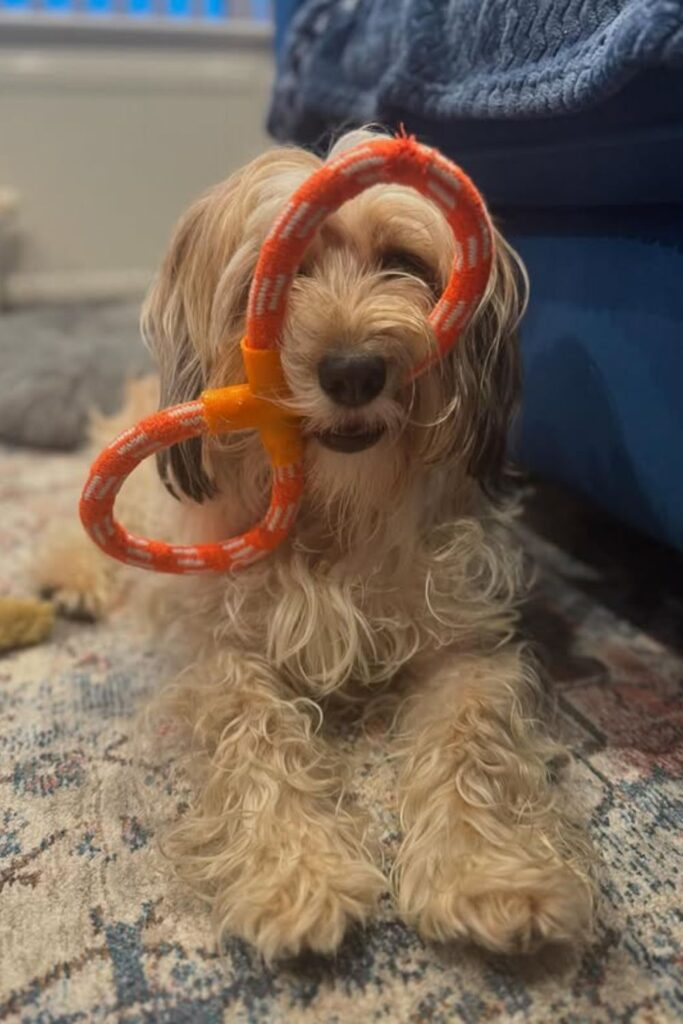
Loop Ring
Twist rope into a figure-eight shape to create two grab points. This makes play more engaging right away.
One loop lets your dog take hold, and the other is for tugging or shaking. Thicker rope lasts longer and is easier for mouths to hold.
It’s good for short, indoor play sessions when you want to interact without too much chaos.
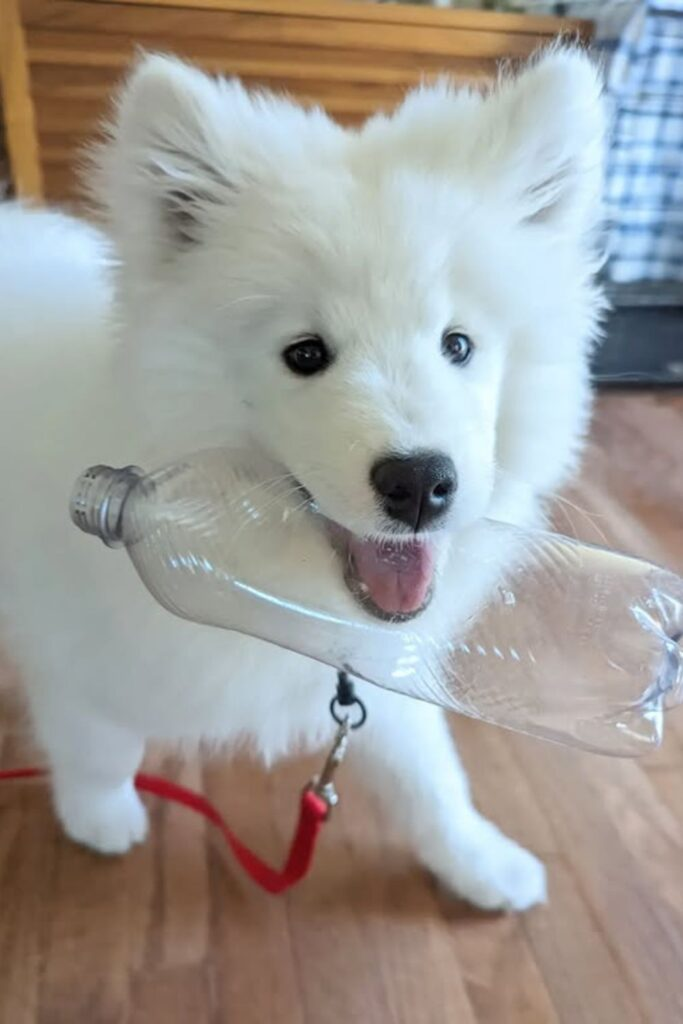
Bottle Chew
The crunchy noise of a plastic bottle can keep a puppy busy. Use an empty bottle during supervised play.
Take off the cap and the plastic ring first. Gently flatten the bottle to make it harder to crush.
Keep play sessions short to prevent the bottle from breaking into sharp pieces.
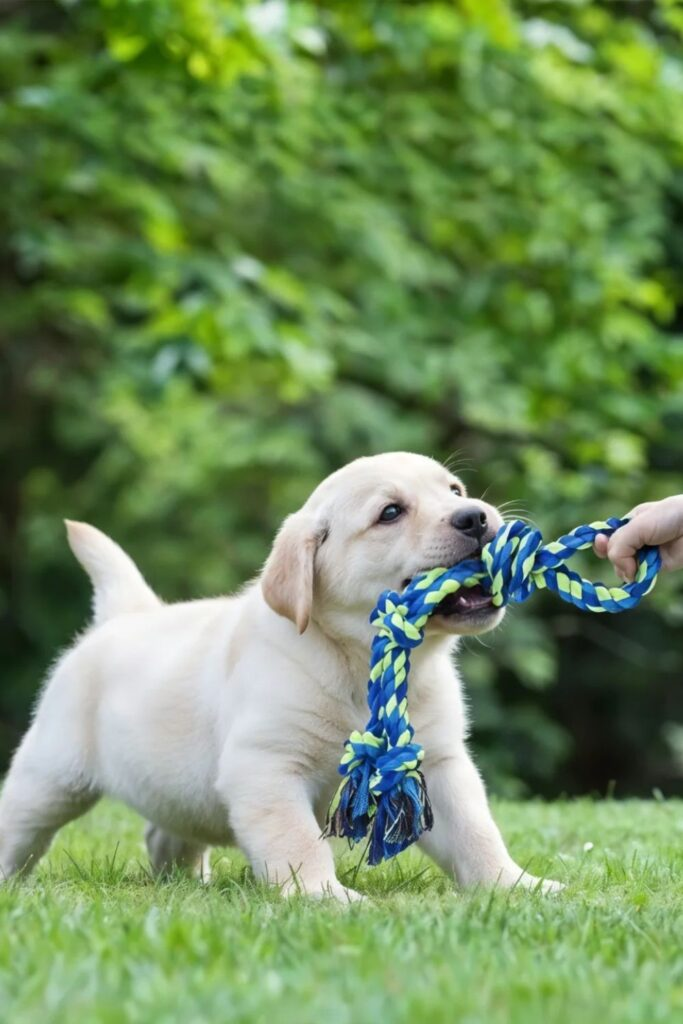
Tug Rope
Braiding thick cotton rope creates a strong toy for tugging. It is tough enough to pull on without hurting teeth.
Make the knots big so they cannot fit entirely in the mouth. This is a game to play with your dog, not a solo toy.
It teaches impulse control and burns off energy.
Ball Strap
Attach a rubber ball to a sturdy strap or old leash. This combines fetch and tug into one game.
The movement and resistance excite dogs who get bored with regular balls. Make sure the ball is attached securely so it does not come loose.
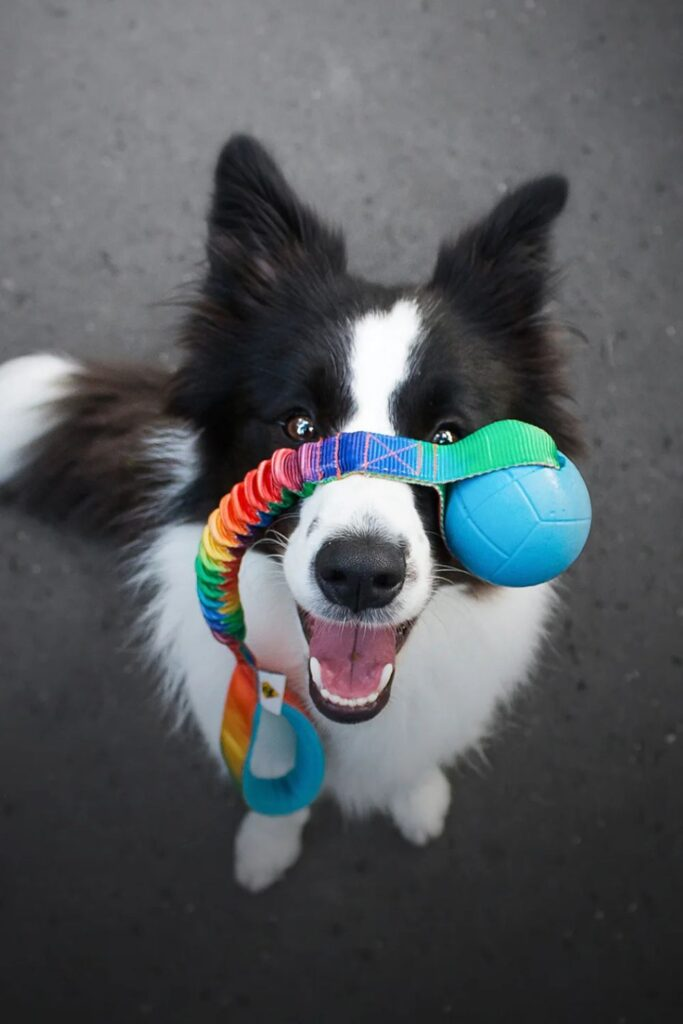
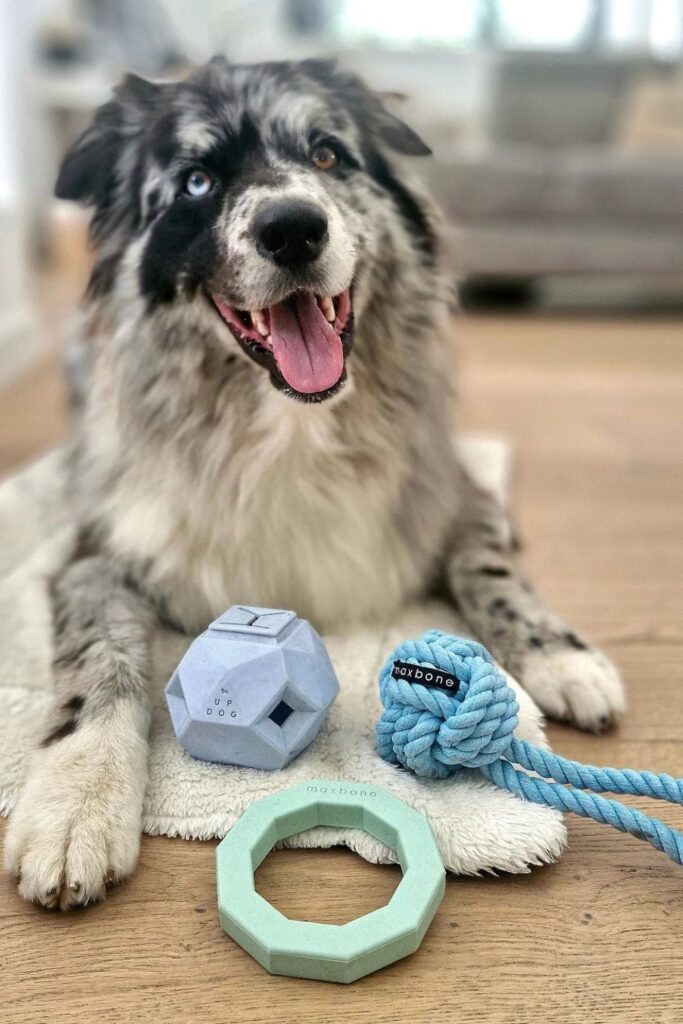
Puzzle Mix
Combine a treat puzzle with a rope to make a challenging toy. Cut slots for treats into a strong rubber toy and add a short rope handle.
This keeps a fast chewer busy and makes them slow down. It is good for dogs who need mental work.
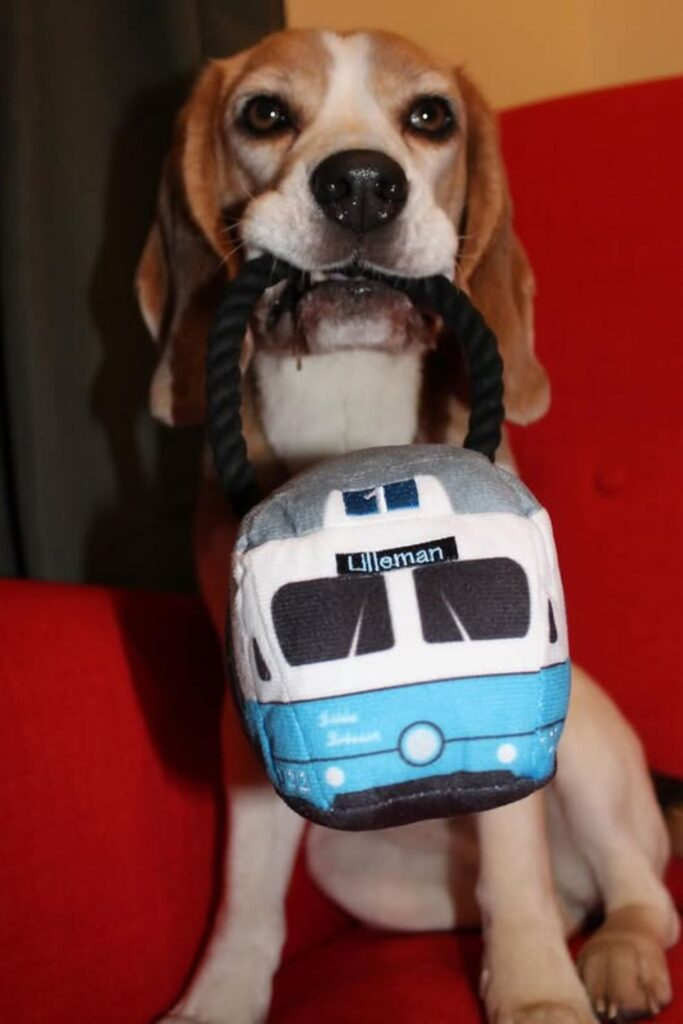
Handle Plush
Add a short rope or fabric handle to a soft plush toy. This makes it easier for your dog to grab, shake, and carry.
Sew the handle deep into the toy’s body so it does not rip off. It is perfect for dogs who like to play fetch indoors with soft toys.
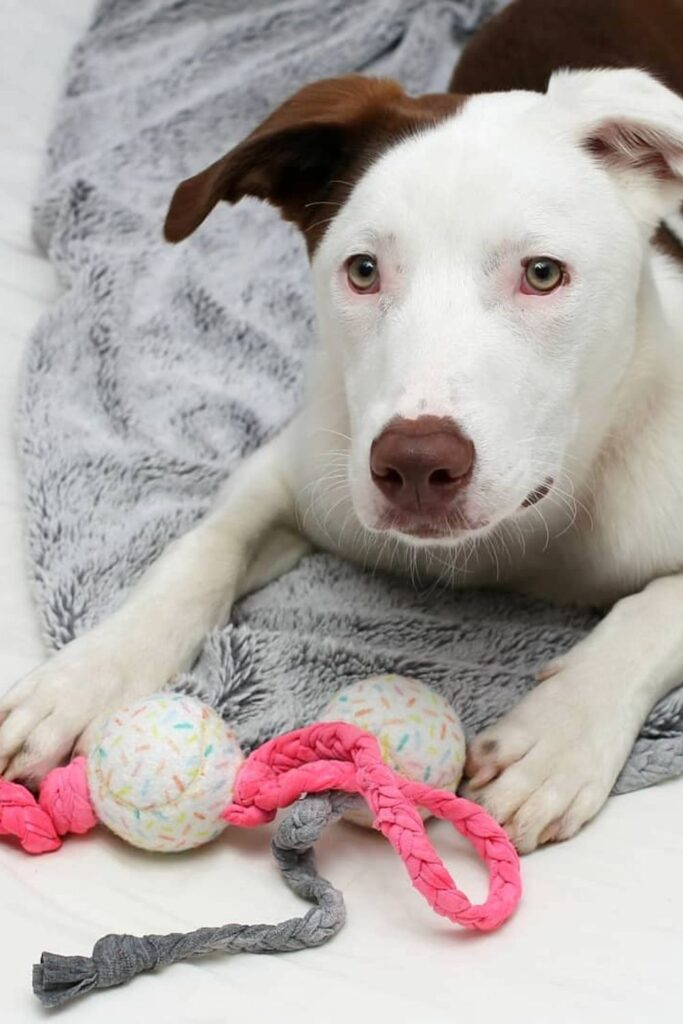
Fabric Ball
Wrap a soft ball with layers of fabric strips. This adds grip, bounce, and different textures.
Tie the fabric tightly so it is hard to untie. It works well for dogs who like to carry and chew toys gently around the house.
Ring Stack
Put several strong rubber rings on a short rope or strap. This lets your dog choose how to play—carry, chew, or tug.
Using different ring sizes changes the grip and challenge. It is great for smart, energetic dogs who get bored with the same game.
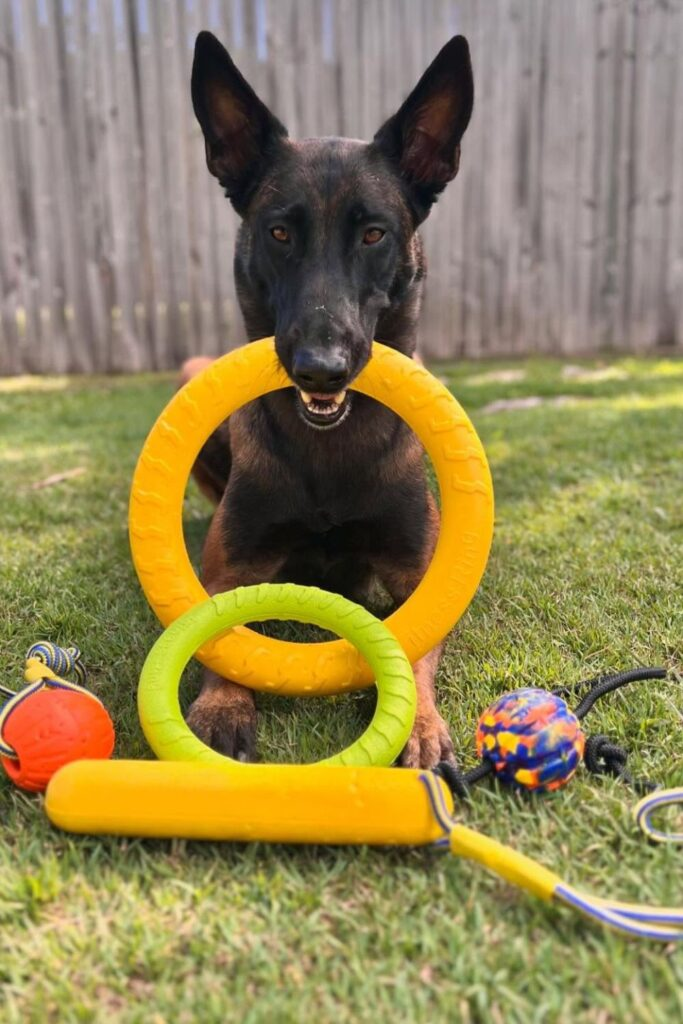
Texture Bundle
Mix different materials like rope, fleece, and rubber into one bundle. Tie or sew each piece securely to a central rope.
The variety of textures keeps your dog from losing interest. It is good for dogs who quickly drop toys made from just one material.
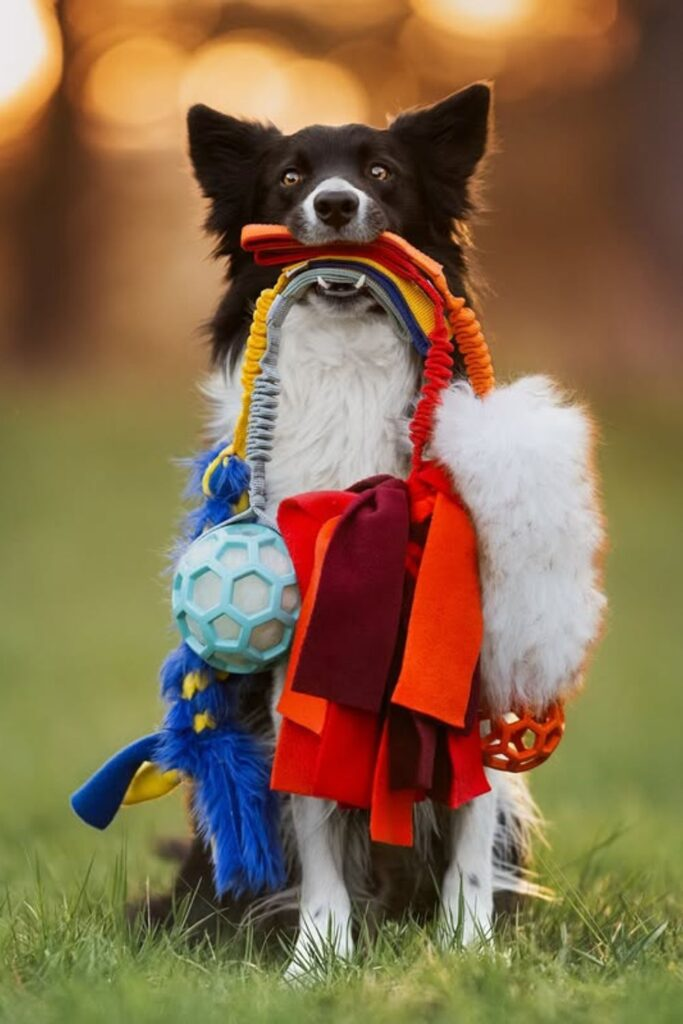
Rope Garland
String soft shapes along a thick rope to make a garland. Your dog can grab, shake, or carry each piece.
Leave space between shapes so tearing one does not ruin the whole toy. This is fun for indoor roaming and gentle play.

Fleece Tug
Braided fleece stays flexible in cold weather, making it a good winter toy. Braid thick fleece strips into tight knots.
It is strong enough for tugging but gentle on teeth. Use shorter lengths for better control, especially outside.
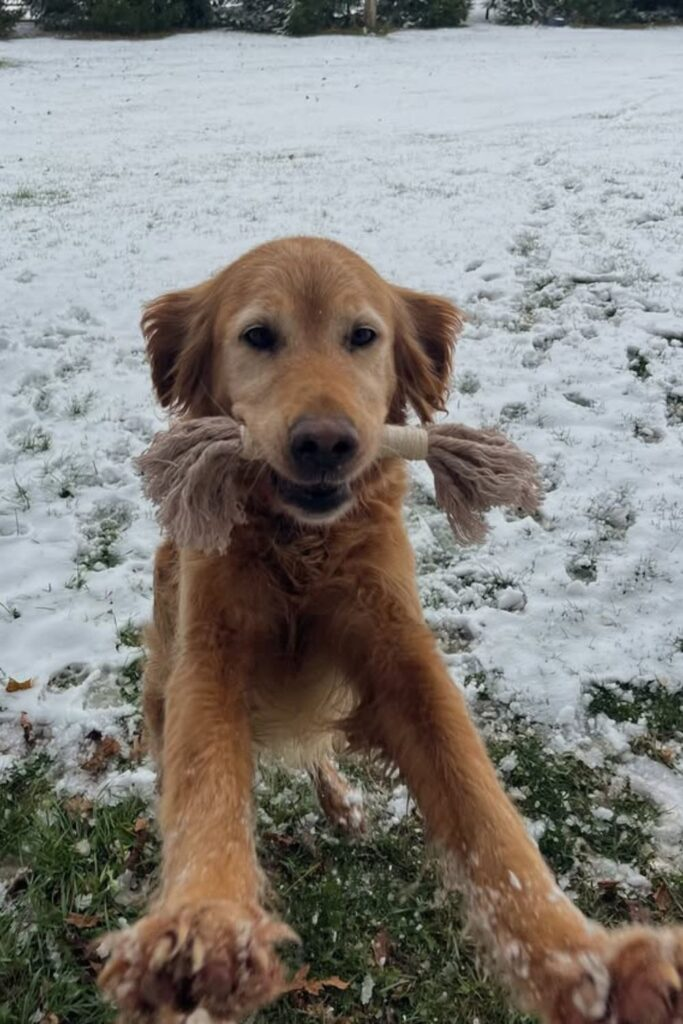
Crochet Plush
Use thick cotton yarn to crochet a soft toy. Keep the stitches tight and use minimal stuffing so it holds its shape.
This is for gentle chewers who want comfort, not a tough challenge. It is good for calm play or bedtime.

Treat Tower
Make a simple wooden stand with upright tubes. Drill small holes near the bottom so treats fall out when nudged.
Start with bigger holes for easy success, then make them smaller. This turns snack time into a thinking game for fast eaters.

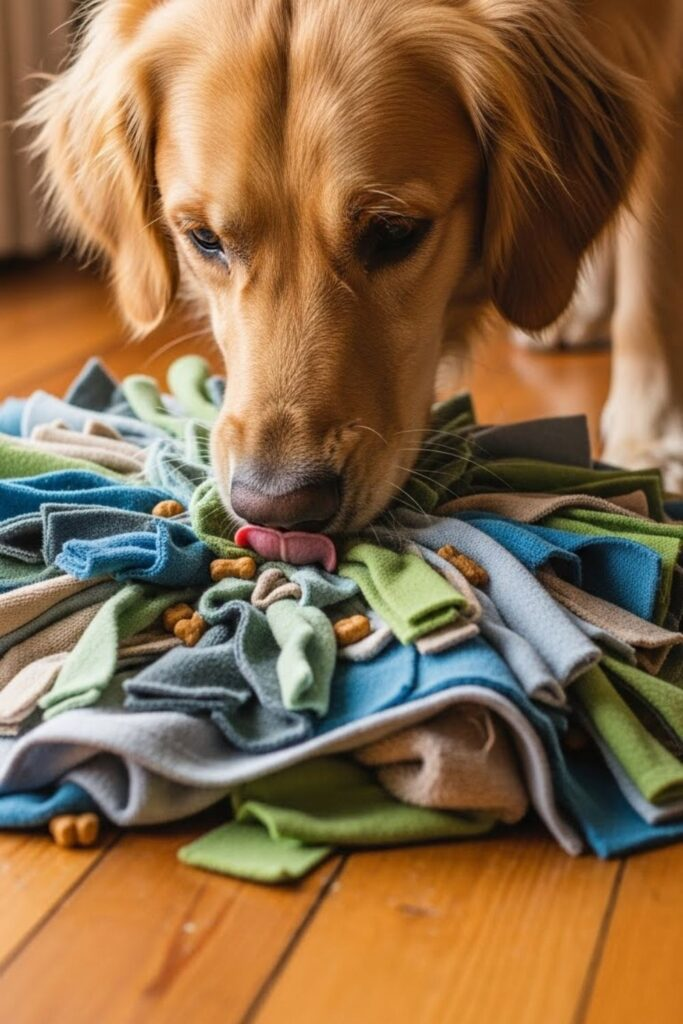
Snuffle Towel
Hide treats inside a rolled-up towel. Your dog must use its nose to find the food, which slows down eating.
Make it harder by tying knots in the towel or adding more folds. Use this for quiet time or bad weather days.
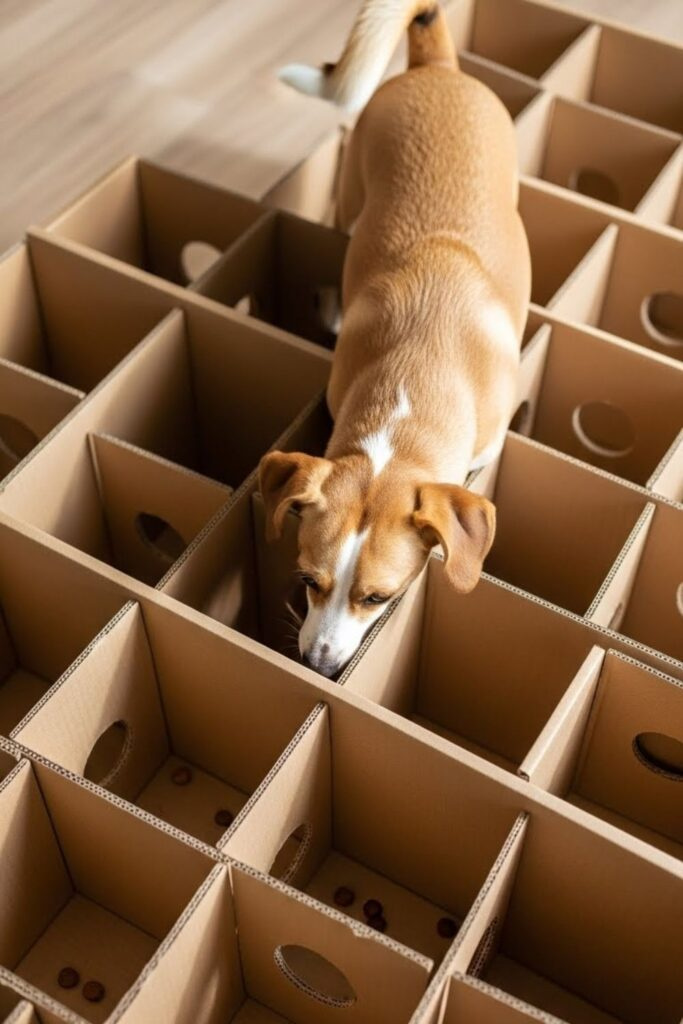
Cardboard Maze
Create a maze from clean cardboard boxes. Cut holes and hide treats inside for your dog to find.
Change the layout often to keep it interesting. Always supervise and remove any cardboard pieces that get chewed off.
Sock Braid
Braid several old socks together into a thick strand. Tie tight knots at both ends.
This creates a gentle tug toy that is soft on teeth. It is good for indoor play with dogs who do not like hard toys.
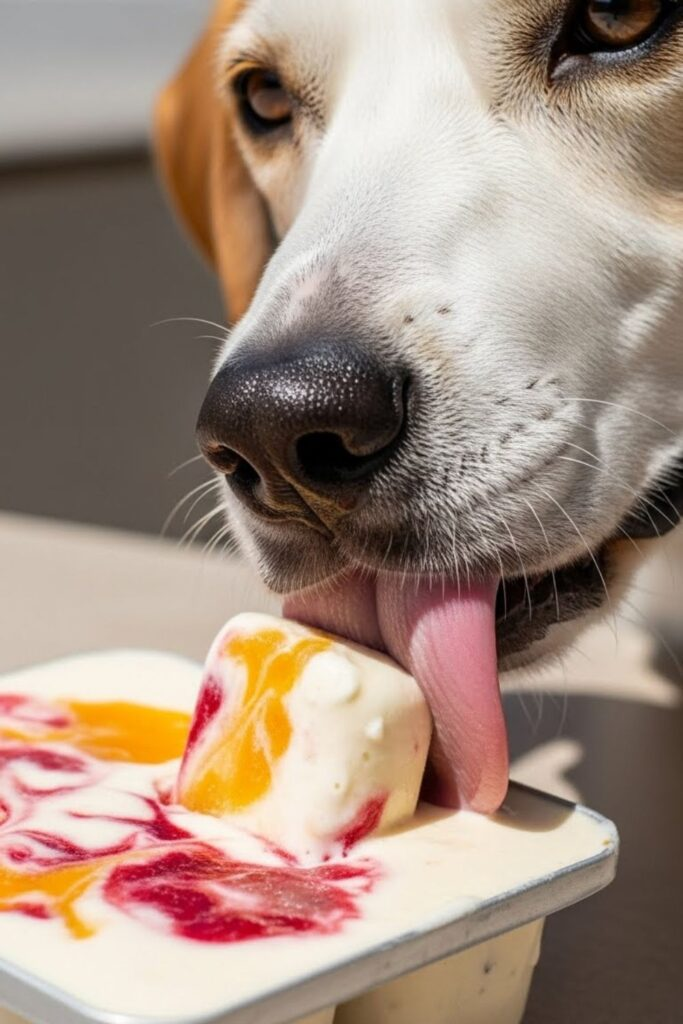
Frozen Lick
Freeze dog-safe yogurt or broth in a shallow dish. Licking the frozen treat is a calming activity that lasts a while.
Use small amounts to keep it interesting without overfeeding. This is perfect for hot days or when your dog needs to relax.
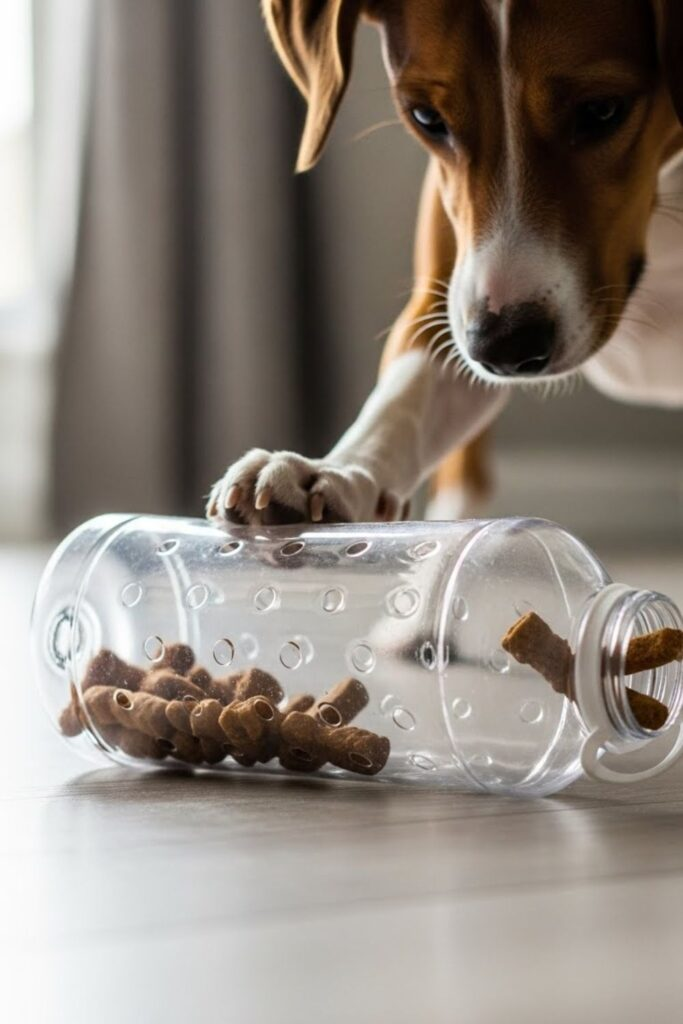
Bottle Roller
Cut small holes in a sturdy plastic bottle. Put treats inside so they fall out when the bottle rolls.
Start with big holes for easy wins, then use smaller ones. Dogs who love moving toys will stay engaged with this.
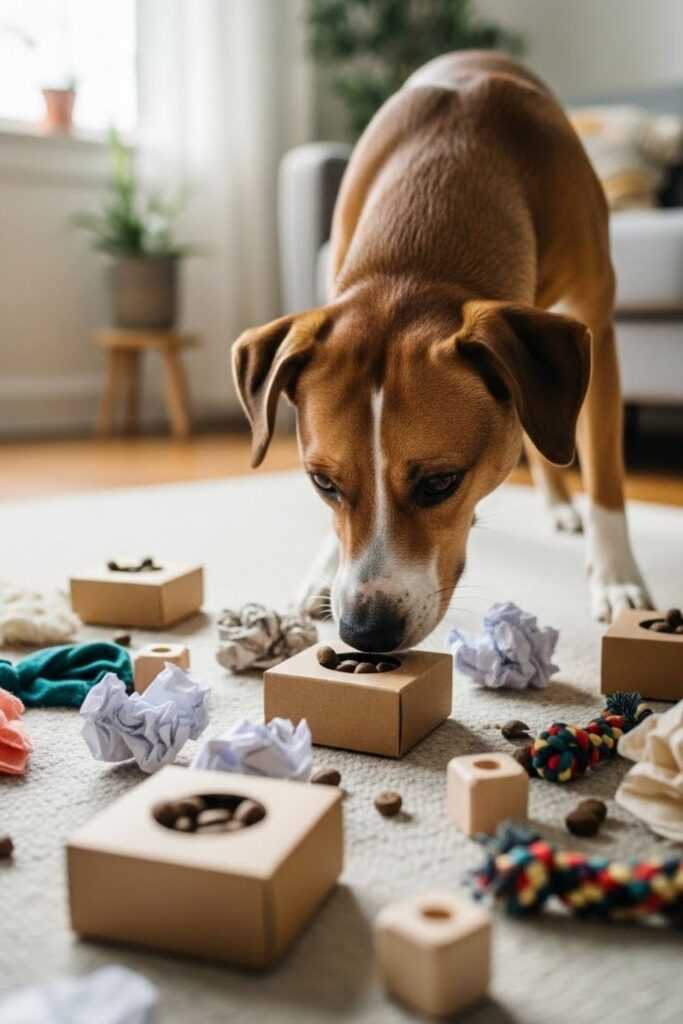
Scent Box
Let your dog use its nose by hiding treats in a box with safe, crumpled paper. This satisfies the urge to search and find.
Use different scents to make it more challenging. It is a simple way to provide mental stimulation.
FAQs
Are DIY dog toys safe for aggressive chewers?
They can be safe if you use the right materials. Strong chewers can tear weak fabrics quickly, which is a choking risk.
Use tough fleece, denim, or tightly braided cotton rope. Always supervise play and throw the toy away as soon as it starts to come apart.
How long should a homemade dog toy last before you replace it?
Replace a toy as soon as pieces break off, seams open, or strings start to form. A DIY toy does not have to look completely broken to be dangerous.
If you can pull a piece off with your hands, your dog can swallow it.