25 Fun Question Games for 2026
Spending time with friends or family is always special, but sometimes it can feel hard to keep everyone interested for long. That’s where question games help. They are simple, fun, and bring people closer without much effort.
These games create laughter, stories, and moments people remember. Some are fast and silly, while others help you learn new things about each other. You can play them at parties, family nights, road trips, or casual hangouts.
Below are 25 question games that are easy to play and work for many ages and group sizes. Each one helps start conversations and keeps the mood fun and relaxed.
21 Questions
In this game, one person is chosen to answer a set of 21 questions asked by the rest of the group. The questions can be light, personal, or creative depending on the mood.
People may ask about favorites, past experiences, or imaginary situations. The answers often lead to laughter and deeper talks.
This game works well with one person or a group, making it great for parties or quiet hangouts.
Never Have I Ever
Never Have I Ever is a classic game that shows what people have or have not done before. Each player takes turns saying a sentence that starts with “Never have I ever.”
If someone has done that thing, they take a sip or lose a point based on the rules you choose. It often leads to funny stories and surprises.
This game is popular at parties and is easy to adjust for different ages and settings.
Two Truths and a Lie
In this game, each player shares three statements about themselves. Two statements are true, and one is false.
The rest of the group listens and tries to guess which statement is the lie. This makes people think and pay close attention.
It’s a great way to learn interesting facts about others and works well in both small and large groups.
Truth or Dare
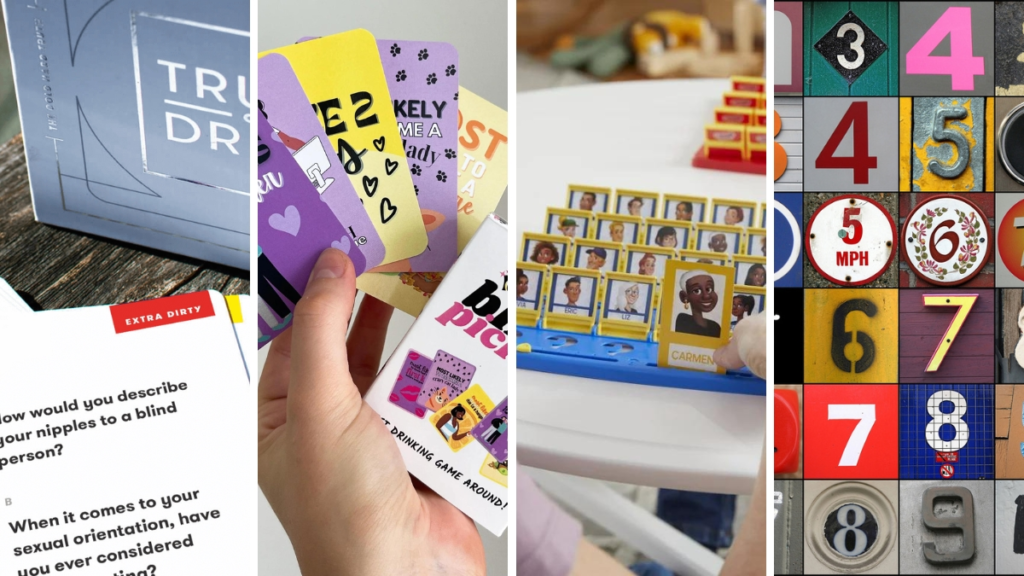
Truth or Dare lets players choose between answering a question honestly or completing a task. Each turn gives a choice between truth or dare.
Questions and dares can be silly, simple, or more personal depending on what everyone is comfortable with.
This game encourages people to open up and have fun together, making it a favorite at gatherings.
Fact or Fiction
Fact or Fiction is about guessing what is true and what is not. One player shares a statement, and others decide if it is real or made up.
The statement can be about personal life or general knowledge. This keeps the game interesting and surprising.
It works well for groups and helps people learn new things while having fun.
Would You Rather
Would You Rather asks players to choose between two different options. Both choices can be funny, hard, or thought-provoking.
One person asks the question, and everyone picks the option they prefer. The answers often lead to debate and laughter.
This game is perfect for road trips, parties, or relaxed group time.
Guess Who?
In Guess Who, one player thinks of a person. The others ask yes-or-no questions to figure out who it is.
Questions help narrow down the options until someone guesses correctly. The goal is to guess using the fewest questions.
This game builds teamwork and thinking skills and does not need any special tools.
Most Likely To
This game asks players to decide who in the group fits a certain description. One person reads a “most likely to” question.
Everyone then points or votes for the person they think matches best. It often leads to laughs and friendly teasing.
It highlights personality traits and works best with people who know each other well.
20 Questions
In 20 Questions, one person thinks of something, and the others ask up to 20 yes-or-no questions to guess it.
Players start with broad questions and slowly become more specific. This helps narrow down the answer.
It’s simple, fun, and can be played almost anywhere without preparation.
Icebreaker Questions
Icebreaker Questions help people feel comfortable in new or mixed groups. Players ask questions that invite personal stories or opinions.
Questions may be about favorites, dreams, or experiences. Each answer helps people connect.
This game is great for meetings, classes, or social events where people are just getting to know each other.
Paranoia
In Paranoia, a player whispers a question to someone next to them. The question is about the group.
The person answers by saying a name out loud. Then a coin flip decides if the question is revealed or kept secret.
This adds suspense and fun, making the game exciting and unpredictable.
Put a Finger Down
All players start with ten fingers up. One by one, players say something they have never done.
Anyone who has done that thing puts a finger down. The game continues until someone has no fingers left.
It’s simple, fast, and great for groups of all sizes.
All About Me
In this game, players answer questions about themselves, like favorites or dreams. After answering, the group tries to guess who said what.
It can be played casually or as a competition to see who knows others best.
This game helps people learn more about each other in a fun way.
This or That
Players choose between two options, such as food, travel, or habits. Each person quickly picks one.
The choices often lead to funny debates and shared opinions.
It’s easy to play and needs no setup, making it perfect for any gathering.
What If?
What If? uses imaginary questions that start with “What if.” These questions spark creative thinking.
Players share their thoughts, leading to fun and unexpected answers.
This game allows everyone to use imagination and express ideas freely.
Who Am I?
Each player gets a name placed on their forehead without seeing it. The name belongs to a famous person or character.
Players ask yes-or-no questions to find out who they are.
The game continues until everyone guesses their identity, creating lots of laughter.
Truth or Drink
Players ask personal questions. If someone does not want to answer, they take a drink instead.
The game can be played with any drink and adjusted for comfort levels.
It balances honesty and fun while giving players a choice.
Family Feud
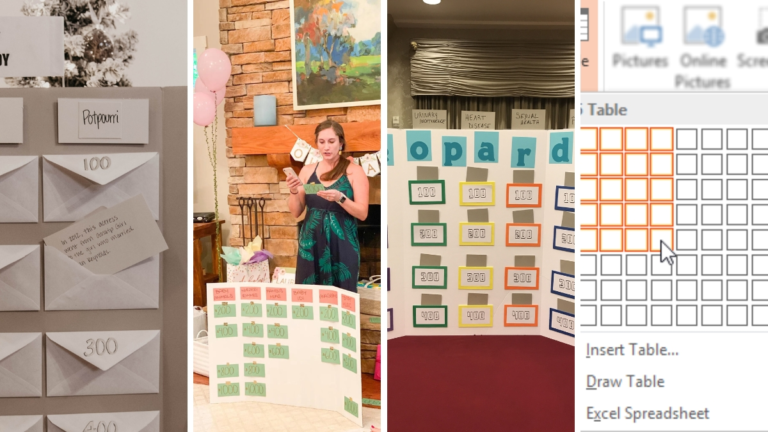
This game is based on guessing popular answers to survey-style questions. Players are divided into teams.
Teams earn points by guessing the most common answers.
It requires some preparation but is great for group competition and teamwork.
Hot Seat
One player sits in the hot seat while others ask questions for a set time.
The player must answer quickly without thinking too long.
It’s fast-paced, fun, and often leads to surprising answers.
Yes or No
Players can only answer questions with “yes” or “no.” This keeps the game moving quickly.
Questions can be simple or more thoughtful.
It’s a great way to keep conversations lively and engaging.
Open-Ended Questions
These questions need more than a short answer. They encourage deeper conversation.
Players take turns asking questions that invite stories or opinions.
This game helps people understand each other better.
Are You Smarter Than a 5th Grader?
Players answer questions usually taught in elementary school. Questions cover many subjects.
Players can compete alone or in teams and earn points for correct answers.
It’s fun, challenging, and educational at the same time.
Things
Players answer funny or thoughtful questions anonymously. One person reads all answers out loud.
The group then guesses who wrote each answer.
This game often leads to laughter and surprises.
Numbers Game
Players answer questions using numbers, like how many places they’ve visited.
Everyone writes their answer, and the closest one wins.
It’s simple and works well for all ages.
Word Chain
The first player says a word. The next player says a word that starts with the last letter of the previous word.
The game continues around the group.
You can add a time limit to make it more challenging and fun.